
ECMO | Extracorporeal Membrane Oxygenation
Memorial's Extracorporeal Membrane Oxygenation (ECMO) program offers a machine to temporarily replace the function of the heart and lungs of critically ill patients.
Extracorporeal Membrane Oxygenation (ECMO) is an advanced therapy that uses an ECMO machine to temporarily replace the function of the heart and lungs of critically ill patients recovering from severe lung damage or heart failure.
Blood is pumped and oxygenated outside of the body, and then returned to the body, allowing the patient’s heart and lungs to rest.
Memorial’s ECMO program is made up of a multidisciplinary team of critical care, cardiac surgery, heart failure, and transplant surgery specialists who work together to support patients who come to us from across South Florida.
Memorial Regional Hospital and Joe DiMaggio Children’s Hospital have each been recognized with the Center of Excellence Gold Level ELSO Award for Excellence in Life Support from the Extracorporeal Life Support Organization (ELSO). The award highlights programs that have distinguished themselves by offering exceptional quality care in ECMO and boast processes and procedures that promote excellence.
Mobile ECMO Services and Patient Transfers

As South Florida's first mobile ECMO service, Memorial works with referring physicians to coordinate hospital-to-hospital transfers for critically ill patients who may require ECMO support. Contact our specialized team to discuss patient eligibility and transfer requests.

Extracorporeal Membrane Oxygenation (ECMO) Team Saves Maria’s Life
ECMO Frequently Asked Questions
ECMO is a form of temporary life support used when the heart, lungs or both need help. It circulates blood outside the body through a specialized machine, allowing the heart and lungs time to rest and recover.
Blood travels through tubing to an artificial lung, called an oxygenator. The oxygenator adds oxygen to the blood and removes carbon dioxide. The blood is then warmed to body temperature and returned to the body.
The length of time a patient needs ECMO varies based on their condition and response to treatment. Some patients may require support for a few hours or days, while others may need ECMO for weeks or longer. Throughout treatment, the care team closely monitors the patient and adjusts the level of support as needed.
ECMO is used for patients who are:
- Awaiting a lung or heart transplant
- Critically ill with respiratory failure from trauma or infections
- Experiencing acute respiratory distress syndrome from a severe case of the flu or influenza
- Suffering from cardiac arrest
- Experiencing advanced heart failure
- Recovering from heart failure, lung failure or heart surgery Awaiting a heart assist device, such as a left ventricular assist device (LVAD) surgery
ECMO is an important lifesaving treatment that’s improved the survival rate for many severely ill patients who are not responding to usual life support options. ECMO, however, is not a cure and is not suited for everyone. Patients may experience the following complications:
- Bleeding
- Infections
- Kidney failure
- Leg damage
- Stroke
ECMO treatment takes place in a specialized intensive care unit, where your care team closely monitors your condition. Understanding what to expect can help patients and families feel more informed and prepared.
For Patients
- Comfort and Movement: You may receive medications that make you feel sleepy or sedated to help your body rest. Tubes and medical equipment will be connected to your body to provide ECMO support. Your movement may be limited, but your care team will help you move safely when possible.
- Your Care Team: Doctors, nurses, respiratory therapists and other specialists work together to manage your treatment. Your care team will keep you and your family informed about your condition and progress.
- Continuous Monitoring: Your heart rate, blood pressure, oxygen levels and other vital signs are closely monitored. Regular blood tests and imaging studies help your care team evaluate your heart and lung function and adjust treatment as needed.
For Family Members
- What to Expect: Your loved one may have multiple tubes, monitors and other medical equipment connected to their body. They may be sedated or unable to speak because of a breathing tube. The care team can explain the equipment and provide updates on their condition.
- How You Can Help: Your presence can provide comfort and reassurance. Talk to your loved one, hold their hand when appropriate, share familiar music or bring photographs. Ask the care team about ways you can participate in their care.
- Taking Care of Yourself: Supporting a critically ill loved one can be emotionally challenging. Remember to rest, eat regularly and ask for help when needed. Hospital social workers, chaplains and counselors can provide additional support. You can also connect with other families through support groups.
Recovery from ECMO is different for everyone. How long it takes depends on the condition that required ECMO, how your heart and lungs respond to treatment, and your overall health. Some patients recover within weeks, while others may need several months or longer.
During Your Hospital Stay
Your care team will closely monitor your heart and lung function throughout treatment. As your condition improves, the team may gradually reduce ECMO support. Sedation may also be reduced as appropriate, allowing you to become more awake and alert. Physical and occupational therapy may begin during your hospital stay to help you regain strength and mobility.
After ECMO Is Removed
It's common to experience weakness and fatigue after a critical illness. As you recover, rehabilitation may focus on helping you regain strength and independence with everyday activities, such as walking, eating and caring for yourself. Your care team will help you prepare for the next stage of recovery, whether that's returning home or continuing rehabilitation at another facility.
Recovering at Home
Recovery continues after you leave the hospital. You may need physical therapy or other rehabilitation services to rebuild strength and endurance. Gradually increasing activity as recommended by your care team and attending follow-up appointments are important parts of recovery.
Physical and Emotional Recovery
Some ECMO survivors experience ongoing fatigue, muscle weakness, difficulty concentrating or memory problems. Others may experience anxiety, depression, sleep disturbances or symptoms of post-traumatic stress disorder (PTSD). More serious complications, such as stroke or nerve damage, can also occur.
Physical and emotional recovery may take time. Talk with your healthcare team about any symptoms or concerns. Rehabilitation specialists, mental health professionals and support groups can provide additional support throughout your recovery.
Follow-Up Care After ECMO
Follow-up care is an important part of your recovery. Your healthcare team will help develop a care plan based on your individual needs, which may include:
- A follow-up appointment with your ECMO care team, typically within two to four weeks after discharge.
- Visits with your primary care physician and specialists, such as a cardiologist or pulmonologist.
- Physical therapy or rehabilitation services to help restore strength and mobility.
- Mental health counseling or other emotional support services, if needed.
When to Seek Medical Attention
Recognizing warning signs after discharge is an important part of recovery. Seek immediate medical attention if you experience:
- Severe chest pain
- Difficulty breathing
- Sudden confusion or weakness on one side of your body
- Severe headache
- Fainting
- Fever above 101°F
Call 911 or go to the nearest emergency department immediately if you experience these symptoms.
Recovering from ECMO can be a challenging experience for patients and their loved ones. Connecting with others who understand the journey can provide encouragement, emotional support and practical advice. Memorial offers support groups for patients and caregivers, along with information about independent organizations and online communities.
Memorial Support Groups
Memorial Regional Hospital offers support groups to help patients, survivors and caregivers connect, share experiences and find support throughout recovery.
-
ECMO, Transplant and LVAD Support Group
Connect with other patients and survivors who have experienced ECMO, transplantation or left ventricular assist device (LVAD) treatment.
When: Third Wednesday of each month, noon to 1 pm
Where: Memorial Regional Hospital, 6 North Conference Room
-
Virtual Caregiver Support Group (via Zoom)
A virtual opportunity for caregivers to share experiences, connect with others and find encouragement.
When: Second Friday of each month, noon to 1 pm ET
Location: Virtual meeting
For more information about Memorial's support groups or how to attend, contact Zanrieann Harrell at ZHarrell@mhs.net.
Independent Virtual ECMO Support Groups
The following independent organizations offer virtual support groups for ECMO survivors, families and caregivers. These groups are not operated by Memorial Healthcare System.
-
Maria's Miracle ECMO Support Groups
Virtual peer support groups for ECMO survivors and their loved ones.
ECMO Survivors: Tuesdays at 8 pm ET
Family Members and Caregivers: Thursdays at 8 pm ETContact: blonskipaula@gmail.com
-
ARDS Support Group
A virtual support group for people affected by acute respiratory distress syndrome (ARDS), including many ECMO survivors.
When: Tuesdays at 8 pm ET (7 pm CT)
Contact: pblonski@ardsalliance.org
Support group schedules and availability may change. Contact the group organizer to confirm meeting details before attending. External support groups and online communities are provided as additional resources and do not replace medical advice from your healthcare team.
Educational Resources
Explore additional information and resources to help patients and families better understand ECMO treatment and recovery.
- Extracorporeal Life Support Organization (ELSO) – Patient and Family Resources: Educational materials, ECMO patient stories and information to help patients and families understand treatment and recovery.
Recommended Reading
The following books offer additional perspectives on recovering from critical illness, emotional well-being and coping with difficult experiences.
- The Aftermath: Recovering from Critical Illness by Dr. Rana Awdish
- Every Deep Breath: A Memoir by Dr. Wes Ely
- What Happened to You? by Dr. Bruce D. Perry and Oprah Winfrey
- The Body Remembers by Babette Rothschild
Understanding some common ECMO terms can help you feel more informed when speaking with your care team.
- Bivalirudin and Heparin: Medications called anticoagulants (blood thinners) that help prevent blood clots during ECMO treatment.
- Blood Gas (ABG/VBG): A blood test that measures oxygen, carbon dioxide and other substances in the blood to help monitor a patient's condition.
- Cannula: A tube inserted into a large blood vessel, often in the neck or groin, to move blood between the body and the ECMO machine.
- Cannulation: The process of inserting cannulas and connecting a patient to the ECMO machine.
- Decannulation: The process of removing the ECMO cannulas when ECMO support is no longer needed.
- Flow: The amount of blood circulating through the ECMO machine, typically measured in liters per minute.
- Oxygenator: An artificial lung that adds oxygen to the blood and removes carbon dioxide.
- Prothrombin Time (PT) / Activated Partial Thromboplastin Time (aPTT): Blood tests that measure how long it takes blood to clot and may help the care team monitor blood-thinning medications.
- Pump: The part of the ECMO machine that moves blood from the body through the oxygenator and back into the body.
- Sweep: The flow of gas through the oxygenator that helps control carbon dioxide removal from the blood.
- Weaning: The gradual reduction of ECMO support as the patient's heart or lungs recover enough to function with less assistance.
How does Memorial care for patients on ECMO?
-
Around-the-Clock ECMO Care: Patients receiving ECMO at Memorial are monitored 24 hours a day, seven days a week in our Cardiac Intensive Care Unit (CVICU). Because ECMO is a highly complex form of life support, a specially trained ECMO specialist is always in-house to manage the ECMO circuit and pump. A critical care intensivist is also available at all times to provide expert medical oversight and respond to each patient’s changing needs.
Working together, our multidisciplinary critical care and nursing teams provide continuous, compassionate care focused on keeping your loved one safe, comfortable and supported throughout their ECMO journey.
- Strong ECMO Outcomes: Since establishing the Memorial ECMO Program in 2015, our team has cared for more than 350 ECMO patients. Our survival outcomes exceed the national average, reflecting the experience, expertise and coordinated care of our multidisciplinary ECMO team.
- Mobile ECMO Services: Memorial is one of the few providers in South Florida to offer Mobile ECMO services. Our specialty-trained mobile ECMO team can provide hospital-to-hospital transport for patients who require ECMO support. When clinically appropriate, the team can initiate ECMO at a referring hospital and safely transport the patient to Memorial for advanced care.
Related Providers
-
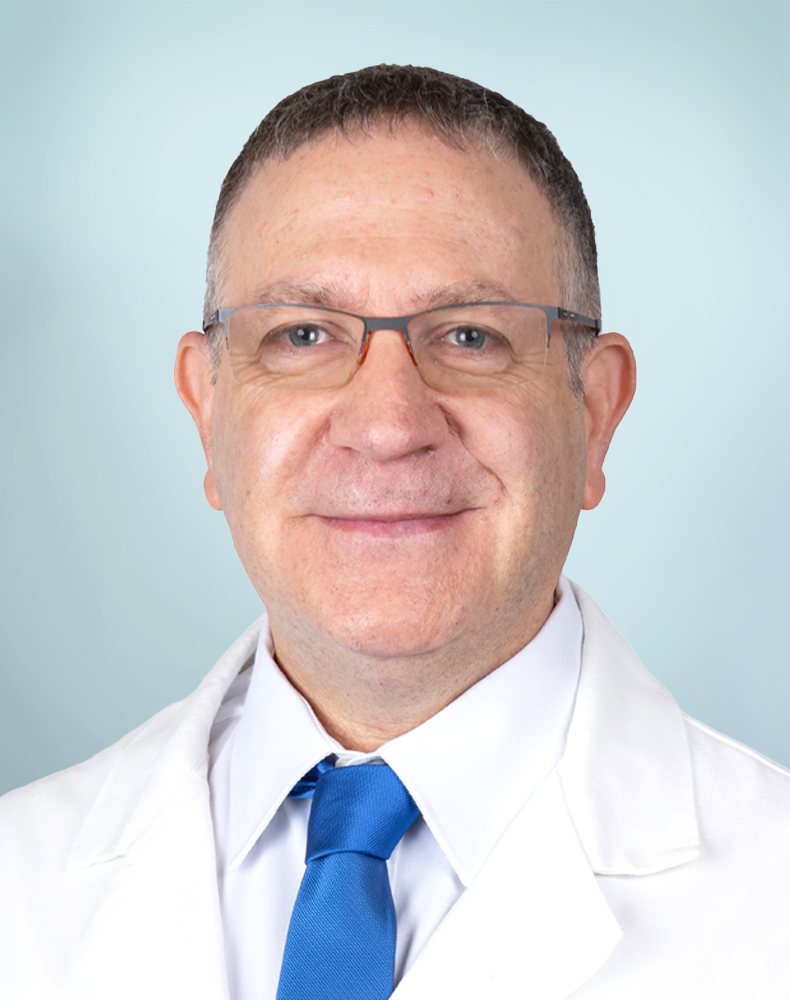

 Lance Cohen, MD Critical Care Medicine, Cystic Fibrosis
-
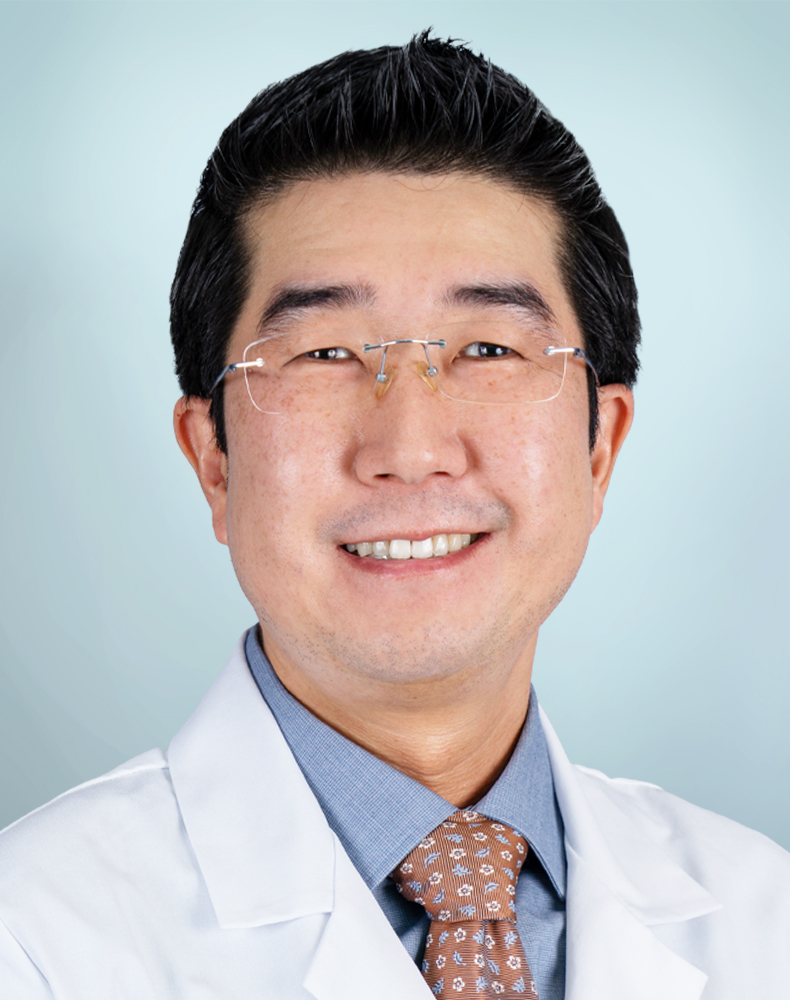 Tae Song, MD Cardiac Surgery, Adult Cardiac Transplant Surgery
It matters to you. It matters to us.
Quality and Safety Data for Memorial Healthcare System
Our goal is to provide our patients with the information they need to make informed choices for themselves and their families.
View Quality and SafetyYou have a right to know about pricing
We want to give you the information you need to make important healthcare decisions, including the costs of our cardiac services.
View PricingMyChart Portal
View test results, schedule follow-up appointments, request prescription refills and more.
Login or Sign-up to MyChart