
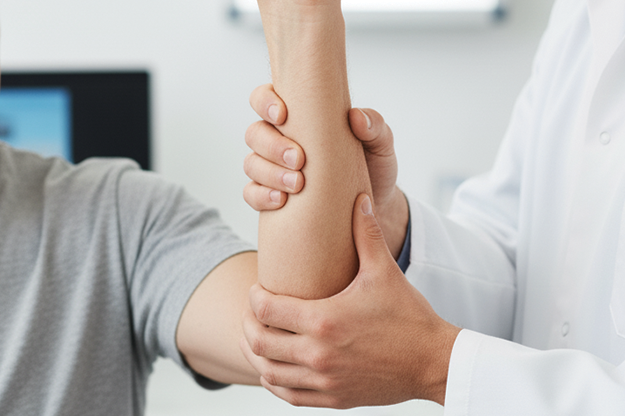
Shoulder and Elbow Care
Pain in your shoulders or elbows can make everyday tasks difficult. Our effective treatments help you move freely again.
When shoulder or elbow joints ache, even the simplest tasks can feel difficult. Everyday activities—like putting on your seatbelt or carrying groceries—can lead to pain or lack of mobility.
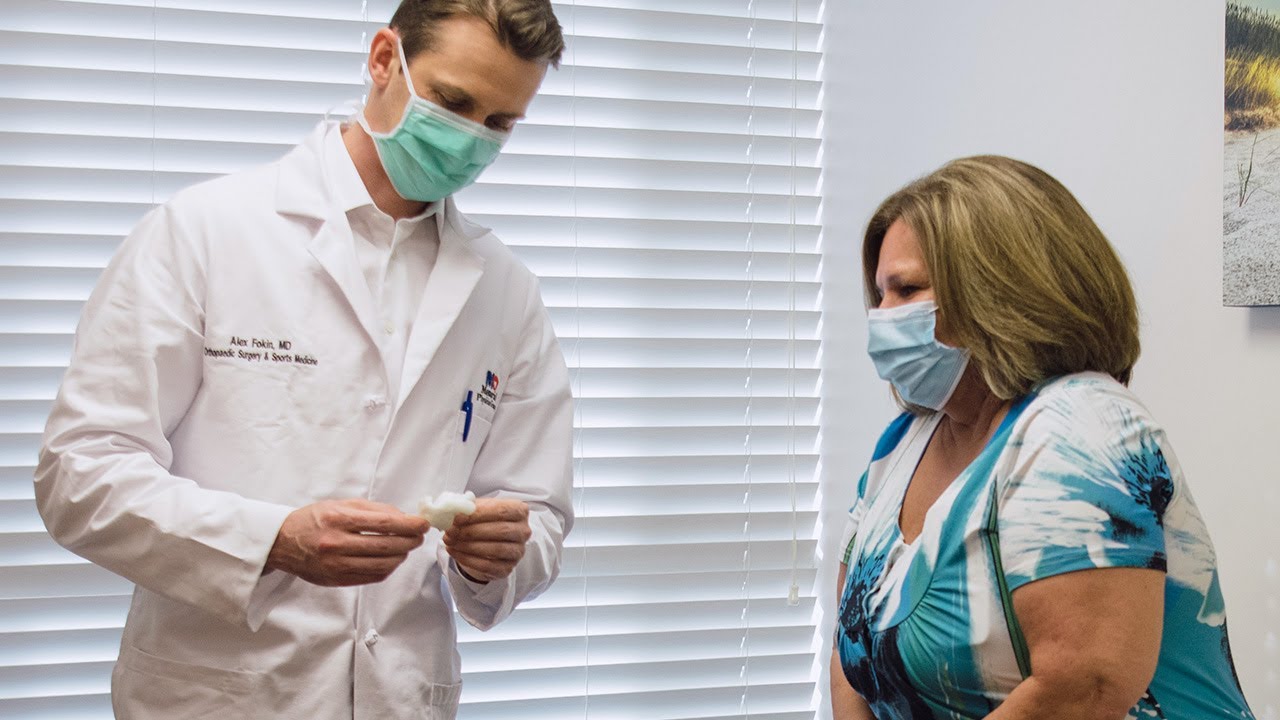
At Memorial Orthopedic Services, our orthopedic surgeons and sports medicine doctors specialize in treating these complex joints.
Shoulder and Elbow Conditions We Treat
We treat all types of shoulder and elbow injuries and conditions.
- Cubital tunnel syndrome: A nerve runs through a small passageway called the cubital tunnel near the elbow. If that nerve is compressed, you can experience numbness, tingling, and pain in your ring and pinky fingers.
- Ligament injury: The ligaments surrounding the elbow provide stability to the joint, especially during activities like throwing or swinging a racket. Injury to the ulnar collateral ligament (UCL) on the inside of the joint can cause sharp pain and instability.
- Tendonitis (golfer’s elbow and tennis elbow): Inflammation in the tendons that connect the elbow joint to muscles in the forearm results in pain. Golfer’s elbow is tendon pain on the inside of the elbow, while tennis elbow is on the outside.
- Dislocated shoulder: The shoulder is a ball-and-socket joint. A dislocation occurs when the ball pulls out of the socket of the joint. It typically happens from a fall or a car accident.
- Frozen shoulder: A capsule of connective tissue surrounds the shoulder joint. It can become thick and stiff, resulting in a lack of mobility in the shoulder joint.
- Rotator cuff tear: The rotator cuff is a group of muscles and tendons that surround and support the shoulder joint. If part of the rotator cuff tears, it can lead to pain, limited mobility, and shoulder instability.
- Shoulder impingement syndrome: This condition occurs when the shoulder blade pinches swollen rotator cuff tendons around the shoulder joint.
- Shoulder labral tear: The labrum is a ring of soft tissue that surrounds and supports the shoulder socket. A labral tear can cause shoulder instability and painful movement.
Other conditions can affect both joints and the muscles or tendons between them, such as:
- Arthritis: Arthritis occurs when the cartilage that cushions the joint wears down, resulting in pain and lack of mobility.
- Biceps tendon tear: Two tendons connect the bicep muscle to the shoulder, and one tendon connects the muscle to the elbow. A tear in any of the biceps tendons leads to pain and lack of strength.
- Bursitis: Bursae are fluid-filled sacs that cushion the bones, muscles and tendons around the shoulder and elbow joints. They cause pain when they become inflamed.
- Chronic exertional compartment syndrome: During repetitive activity that requires grip strength, such as climbing, rowing or weightlifting, pressure can build up in the compartments of forearm muscles. This pressure causes pain and numbness.
Call us for more information or to schedule an appointment
954-265-7700Diagnosing Shoulder and Elbow Conditions
In addition to traditional imaging techniques, such as X-ray and MRI, we use musculoskeletal (MSK) ultrasound as a diagnostic tool in our sports medicine clinic. MSK ultrasound allows us to see muscles, nerves, tendons, and ligaments as they move.
This dynamic approach enables highly accurate diagnosis of injuries like sprains, tears, and inflammation. We also use ultrasound to guide injections with pinpoint accuracy to target the specific area of injury.
Treatments for Shoulder and Elbow Conditions
Whenever possible, we start treatment with conservative, non-surgical therapies. Our pioneering techniques include regenerative medicine injections using cells from your body to speed healing.
To ensure the most precise and effective placement of these injections, we use ultrasound to guide the procedure. Therapies include:
- Corticosteroid (cortisone) injections: Steroids are a medication used to provide rapid pain relief for inflamed joints and tendons.
- Prolotherapy: Prolotherapy involves injecting a medical-grade sugar solution into injured tissues to trigger a healing response.
- Platelet-rich plasma (PRP) injections: PRP injections use concentrated levels of platelets from your blood. It’s injected into damaged cartilage, tendons, or ligaments to help speed repair.
- Bone marrow aspirate concentrate (BMAC) injections: BMAC is collected from the marrow in your bones. It contains potent signaling cells that stimulate healing. BMAC is often used to treat osteoarthritis, tendon injuries, and fractures.
- Microfragmented adipose tissue (MFAT) injections: MFAT injections use your own fat cells, which are rich in signaling cells and growth factors. We collect the fat cells from the belly or thigh. This treatment may be used for osteoarthritis and tendon injuries.
- Physical therapy: Physical therapy can help you heal after a shoulder or elbow injury or surgery. Your therapist uses manual techniques to relieve pain and exercises to help you regain strength and mobility.
If you need surgery, we use the most advanced, minimally invasive techniques. Many shoulder and elbow procedures are done arthroscopically. This type of procedure involves inserting a thin tube and a camera into the joint through a tiny incision. The surgeon makes additional small incisions to insert instruments. The camera enables surgeons to see all the parts of the joint clearly and repair damaged muscles, tendons, and ligaments.
Common shoulder and elbow surgeries include:
- Arthroscopy
- Biceps tendon repair
- Fascia release for chronic exertional compartment syndrome
- Labral repair
- Muscle and tendon transfers for complex rotator cuff injuries
- Nerve release for cubital tunnel syndrome
- Rotator cuff repair
- Shoulder replacement and revision shoulder replacement



Shoulder and Elbow Care: Why Choose Memorial Healthcare System?
-

Highly skilled team: Our shoulder and elbow specialists have the experience and expertise to treat these joints using both surgical and non-surgical therapies.
-
Minimally invasive surgical techniques: We use the most advanced methods to surgically repair torn muscles, tendons and ligaments.
-

Innovative non-surgical approaches: Our regenerative medicine specialists use pioneering treatments, such as cellular therapies and PRP injections, to help heal shoulder and elbow tendons and ligaments.
-
Rehabilitative care: Our highly trained physical therapists help you regain strength and mobility.
Call us for more information or to schedule an appointment
954-265-7700


Surgical Care Specialists
-
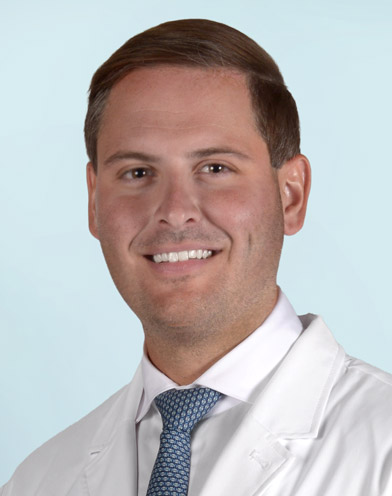
 Jacob Cohen, MD Orthopedic Surgery, Sports Medicine
 -
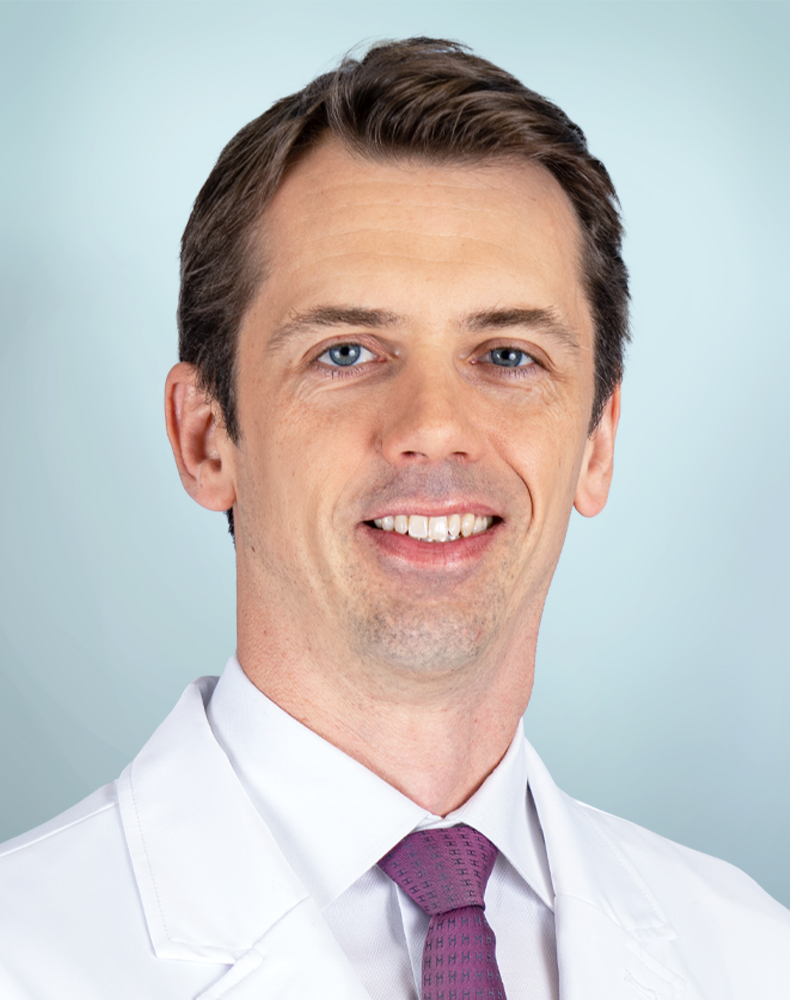
 Alex Fokin, MD Orthopedic Surgery, Sports Medicine
 -
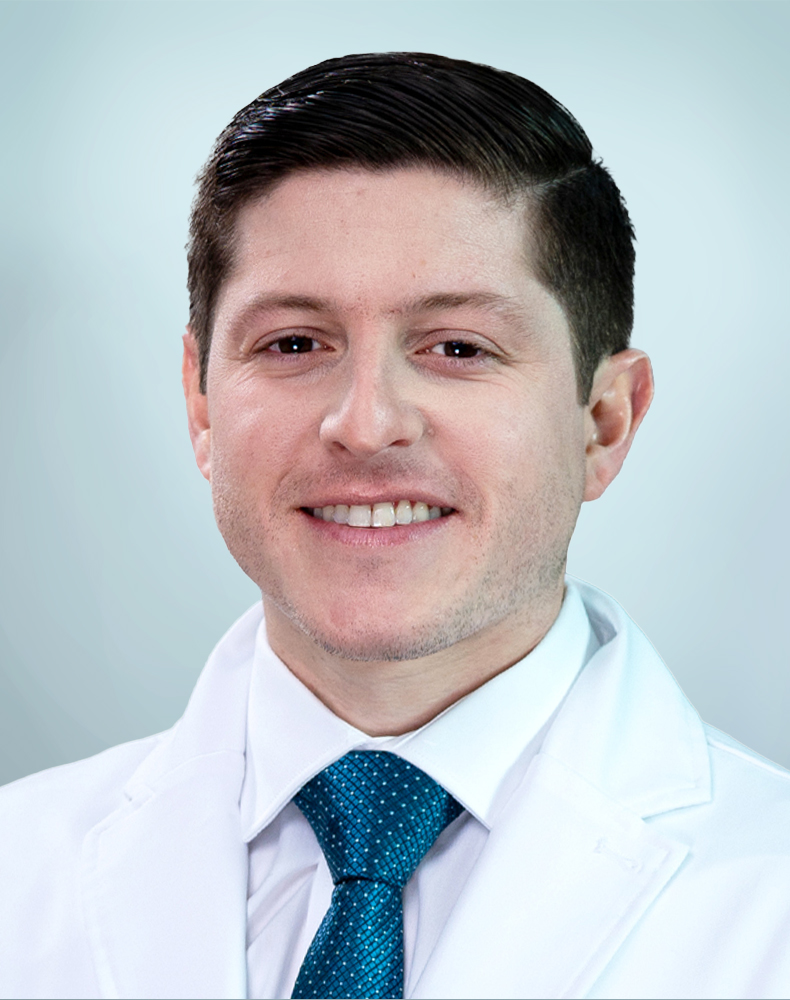 Eduardo Natal-Albelo, MD Orthopedic Surgery, Hand Surgery
 -
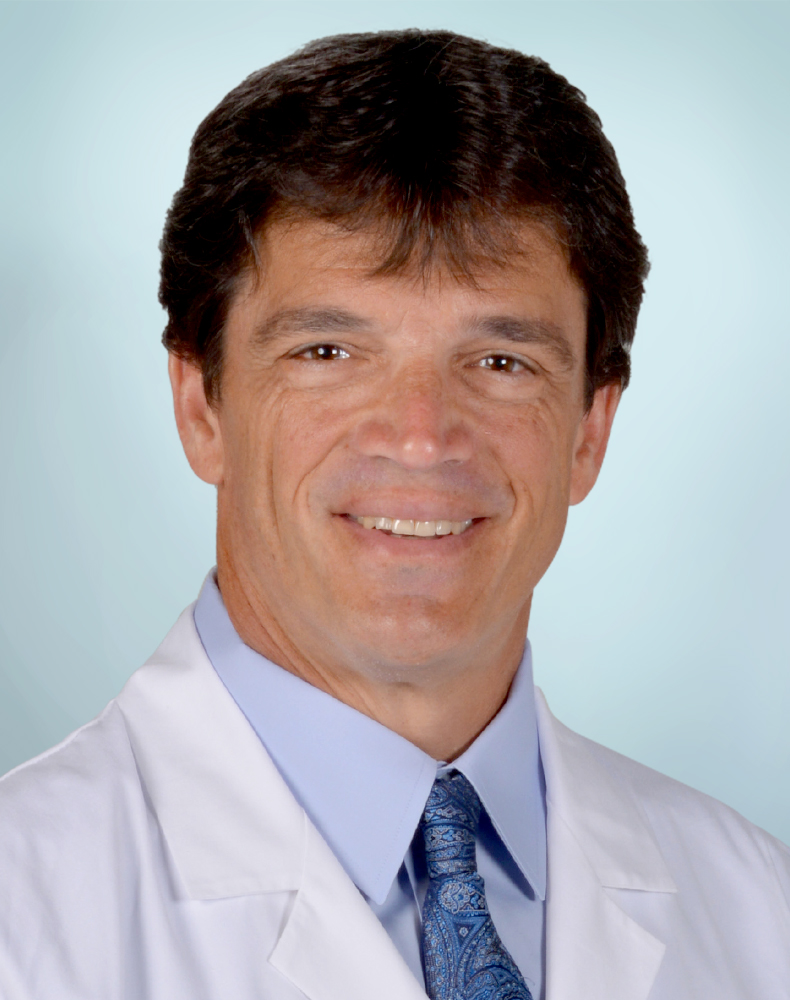 Daniel Sheldon, MD Orthopedic Surgery
 -
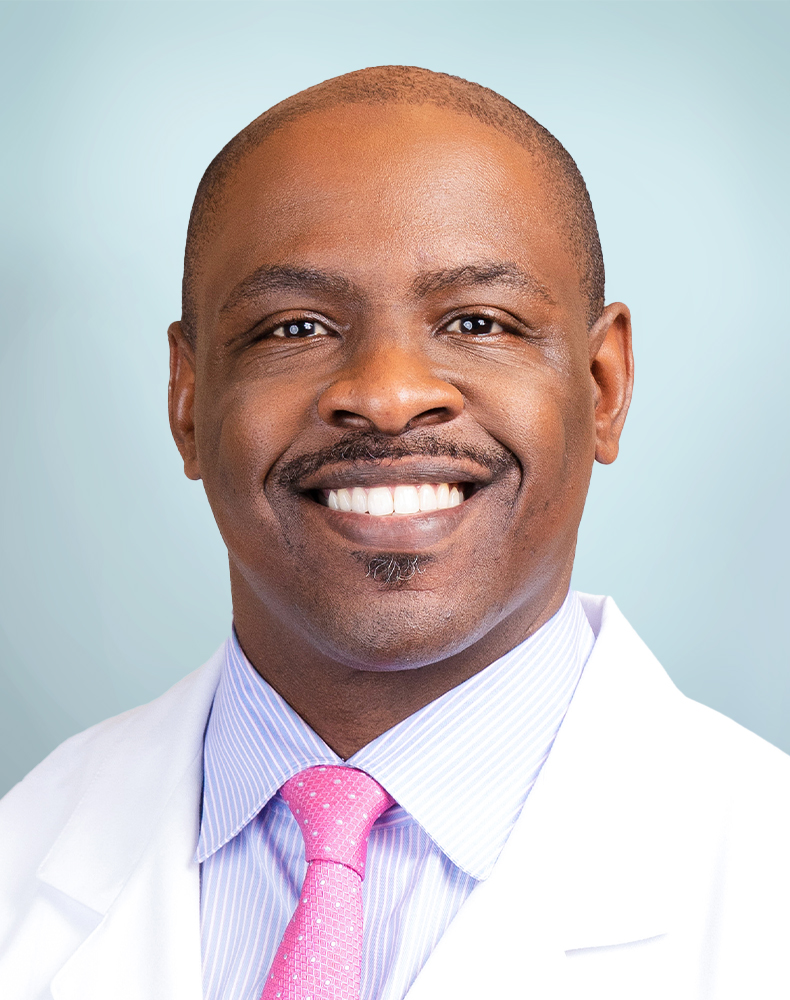 Marvin Smith, MD Orthopedic Surgery, Sports Medicine
 -
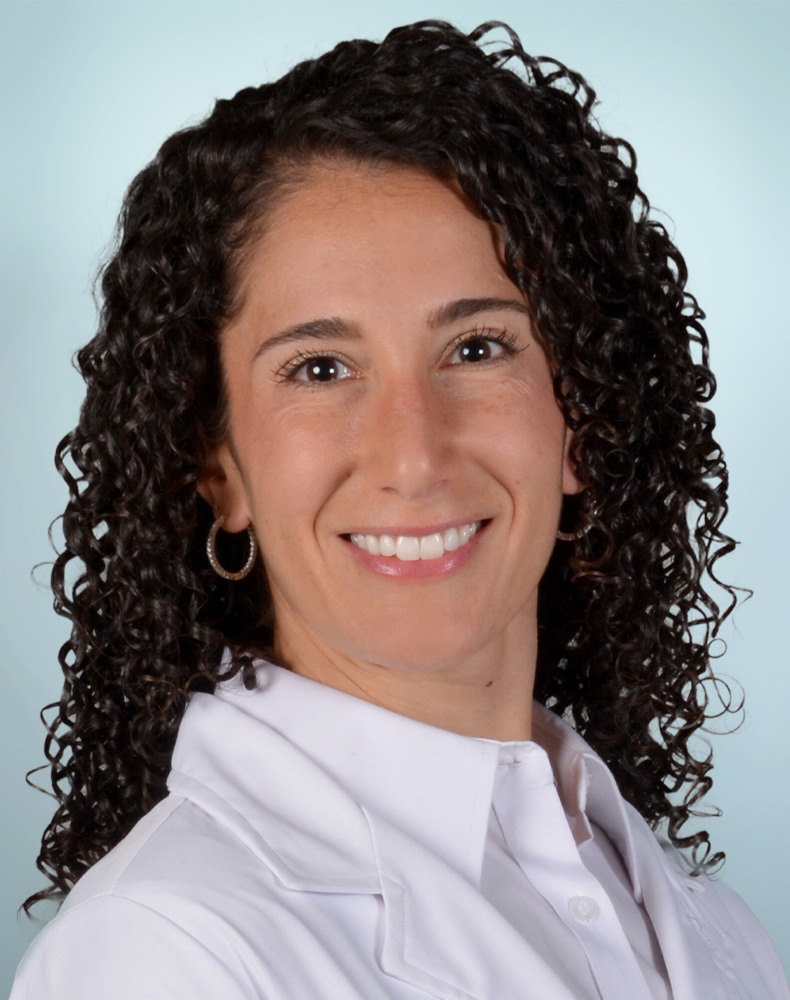 Miriam Weisberg-Tannenbaum, MD Orthopedic Surgery
Non-Surgical Care
-
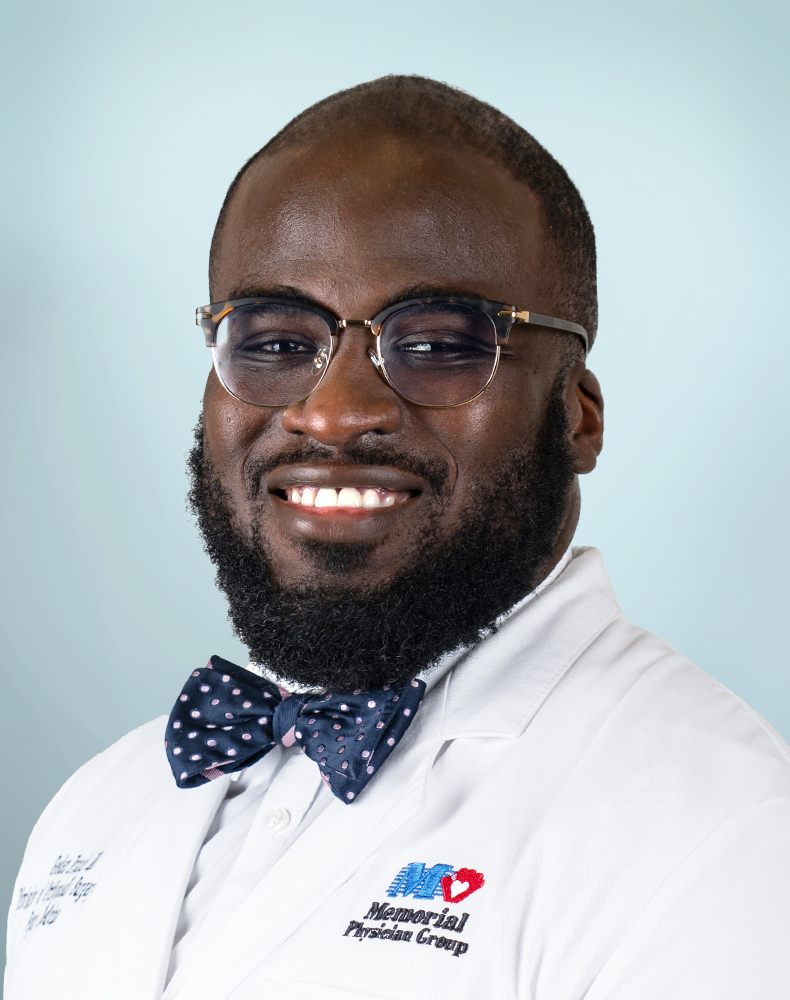 Geden Franck, MD Sports Medicine, Non-Surgical Orthopedics (Adult)
 -
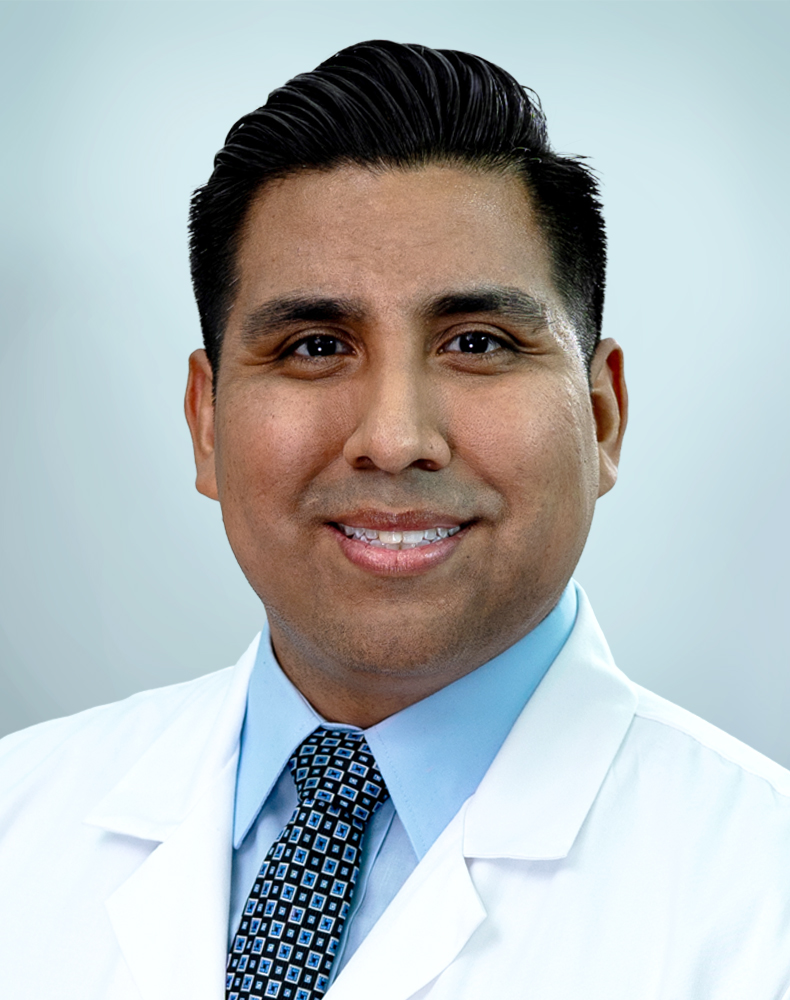 Giorgio Negron, MD, RMSK Sports Medicine, Non-Surgical Orthopedics (Adult)
 -
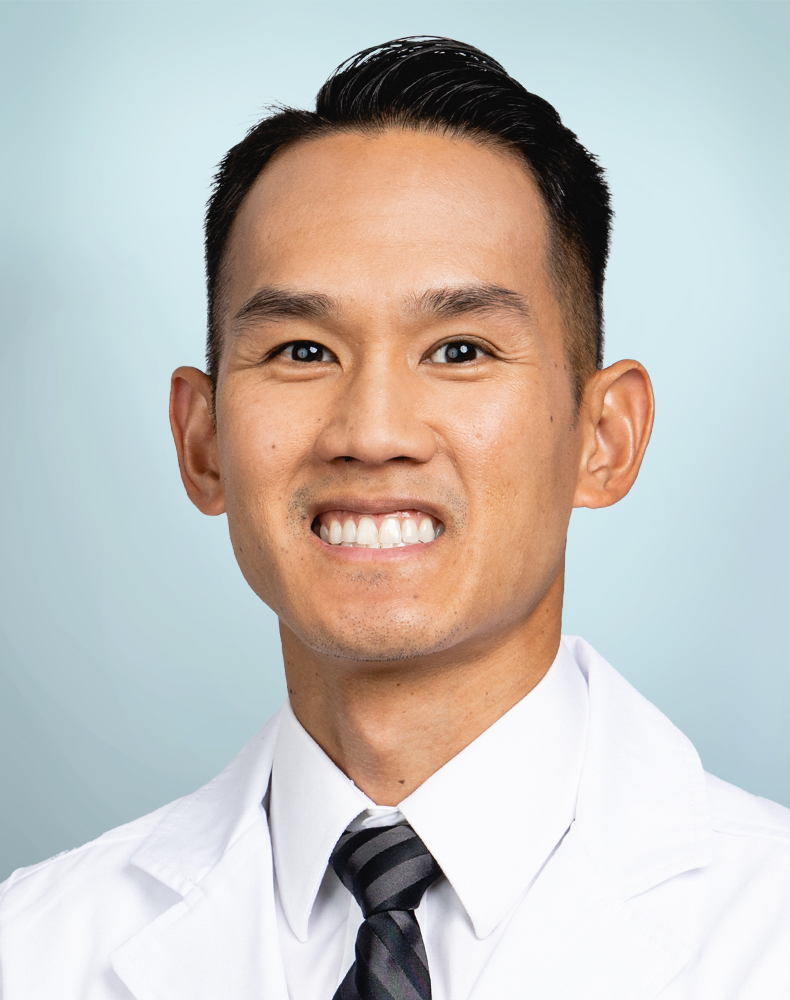 Alexander Nguyen, MD Sports Medicine, Non-Surgical Orthopedics (Adult)