
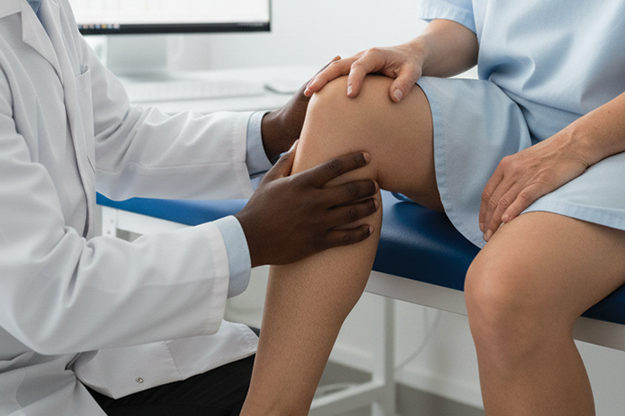
Hip, Knee, and Ankle Care
Our specialists offer advanced treatment for all types of hip, knee, and ankle conditions.
Pain in your hips, knees, or ankles can have a significant impact on your mobility. Suddenly, just walking, getting out of a chair, or going down the stairs can feel daunting. The specialists at Memorial Orthopedic Services understand these challenges and are here to help.
We treat everyone from competitive athletes to people who just want to do everyday activities without pain. No matter where you fall on that spectrum, we offer effective treatments to get you moving again.
Hip, Knee, and Ankle Conditions We Treat
Our specialists diagnose and treat a wide range of hip, knee, and ankle injuries.
- Hip dislocation: The ball of the hip joint dislodges from the socket of the joint. This injury typically occurs from a fall or a car accident.
- Hip impingement: The ball of the hip joint abnormally rubs against the hip socket. It’s often caused by a bone spur or anomaly within the joint.
- Hip labral tears: A tear in the labrum—the cartilage that lines and supports the hip socket—causes pain and instability.
- ACL tears: The anterior cruciate ligament (ACL) crosses the knee diagonally, connecting the thighbone to the shinbone. A tear leads to pain and instability in the joint.
- Meniscus tears: The meniscus is cartilage that cushions and absorbs shock in the knee. When it tears, it can lead to pain and instability in the joint.
- Patellar tendon injuries: The patellar tendon connects the kneecap to the shinbone. It can tear or swell, leading to pain and limited knee mobility.
- Runner’s knee: Also called patellofemoral pain syndrome (PFPS), it causes pain in the front of the kneecap.
- Achilles tendonitis and tears: The Achilles tendon connects the calf muscles to the heel bone. When it is swollen (tendonitis) or torn, it causes pain and limited mobility.
- Sprains: A sprain occurs when you overstretch or tear a ligament.
Other conditions can affect two or all three joints and the muscles or tendons between them, such as:
- Arthritis: When the cartilage in the hip, knee or ankle joints wears down, the lack of cushioning leads to pain and stiffness in the joints.
- Bursitis: Bursae are fluid-filled sacs around the joints that serve as cushions between your bones and soft tissue. Bursitis occurs when the bursae become inflamed and cause pain.
- Chronic exertional compartment syndrome: During repetitive activity like running, pressure can build up in the compartments of leg muscles. The pressure leads to pain and numbness.
- ITB syndrome: The iliotibial band (ITB) is a tendon that extends from the hip down to the shin. When it gets swollen and irritated, it causes pain on the outside of the hip or knee.
Call us for more information or to schedule an appointment
954-265-7700
Kellie is Active Again After Minimally Invasive Knee Surgery
Diagnosing Hip, Knee, and Ankle Conditions
Accurately diagnosing hip, knee, and ankle injuries is essential for choosing the most appropriate treatment. That’s why we use both traditional imaging techniques, such as X-ray and MRI, as well as diagnostic musculoskeletal (MSK) ultrasound. This technology enables us to get a clear image of muscles, nerves, tendons, and ligaments in real time. Your doctor may use MSK ultrasound as a roadmap to guide treatment.
Treatments for Hip, Knee, and Ankle Conditions
Most hip, knee, and ankle conditions don’t require surgery. And even when they ultimately do, we typically start your treatment by trying more conservative, non-surgical therapies, such as injections or physical therapy. For most of our injection treatments, we use ultrasound guidance to ensure precise placement.
Our non-surgical therapies include:
- Corticosteroid (cortisone) injections: Steroids are a type of medication that provides rapid pain relief for inflamed joints and tendons.
- Prolotherapy: By injecting a sugar solution into an injured area, prolotherapy can trigger a healing response.
- Platelet-rich plasma (PRP) injections: PRP contains a concentrated amount of platelets from your blood. We inject the PRP into damaged cartilage, tendons, or ligaments to help them heal.
- Bone marrow aspirate concentrate (BMAC) injections: Your doctor collects BMAC from the marrow inside your bones. It contains potent signaling cells that stimulate healing. BMAC is often used to treat osteoarthritis, tendon injuries, and fractures.
- Microfragmented adipose tissue (MFAT) injections: For MFAT injections, we collect fat cells from your belly or thigh. These fat cells are rich in signaling cells and growth factors that encourage tissue restoration. This therapy can treat osteoarthritis and tendon injuries.
- Physical therapy: Physical therapy can help you heal after a shoulder or elbow injury or surgery. Your therapist uses manual techniques to relieve pain and teach you exercises that help you regain strength and mobility.
If you need surgery, we aim to use the most minimally invasive techniques possible to help you recover as quickly as possible and with minimal pain. Arthroscopic surgery is a common technique for hip, knee, and ankle procedures. The surgeon inserts a thin tube with a camera on the end into the joint through a small incision. They make additional incisions to insert pencil-thin instruments. The arthroscope enables the surgeon to see and repair damage to muscles, tendons, ligaments, or cartilage.
Our hip, knee, and ankle surgeries include:
- Arthroscopy
- Cartilage restoration and transplant
- Fascia release for chronic exertional compartment syndrome
- Hip replacement
- Knee replacement
- Ligament reconstruction
- Tendon repair
Hip, Knee, and Ankle Care: Why Choose Memorial Healthcare System
-

Highly skilled team: Our hip, knee and ankle specialists use advanced surgical and non-surgical therapies to restore mobility.
-

Minimally invasive surgical techniques: We use arthroscopic surgery to repair torn muscles, tendons, ligaments and cartilage using only tiny incisions.
-

Regenerative medicine approaches: Our specialists use pioneering treatments, such as cellular therapies and PRP injections, to speed healing in hip, knee and ankle tendons, ligaments and cartilage.
-

Specialized physical therapy: Working with a physical therapist helps strengthen the muscles that support your hip, knee and ankle movements.
Call us for more information or to schedule an appointment
954-265-7700


Surgical Care
-
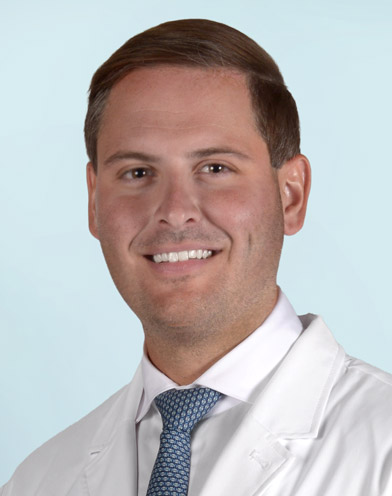
 Jacob Cohen, MD Orthopedic Surgery, Sports Medicine
 -

 Alex Fokin, MD Orthopedic Surgery, Sports Medicine
 -
 Daniel Sheldon, MD Orthopedic Surgery
 -
 Marvin Smith, MD Orthopedic Surgery, Sports Medicine
Non-Surgical Care
-
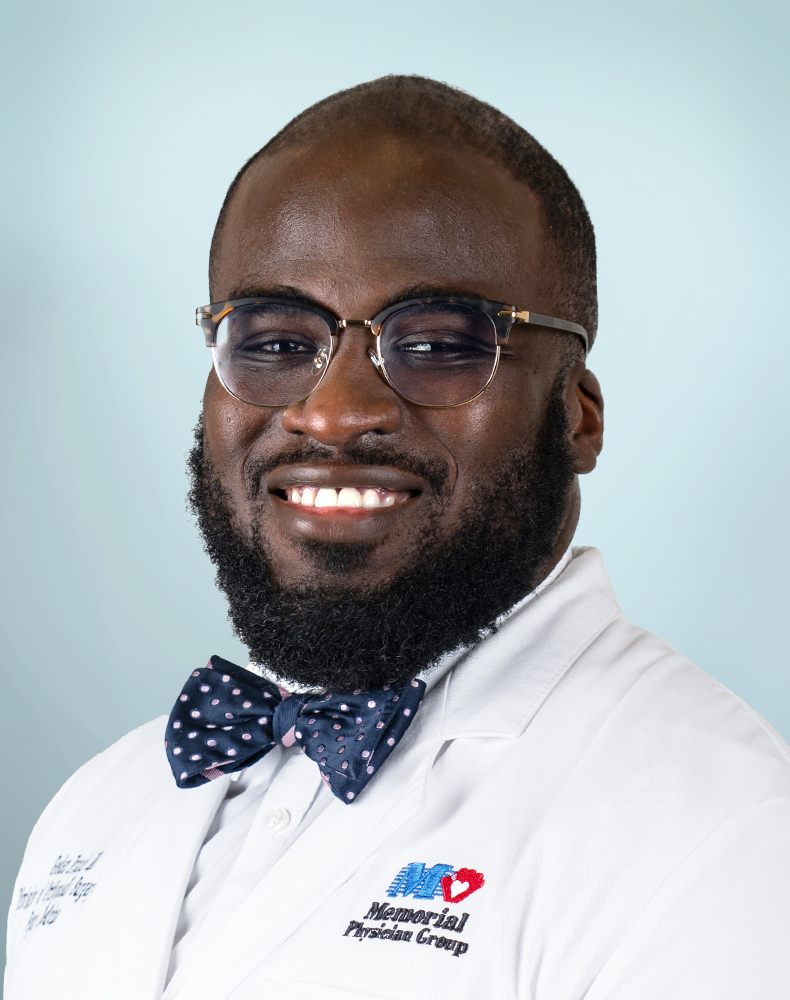 Geden Franck, MD Sports Medicine, Non-Surgical Orthopedics (Adult)
 -
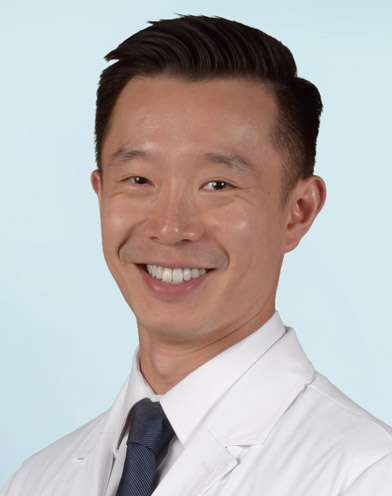 Aaron Li, MD Sports Medicine, Non-Surgical Orthopedics (Adult)
 -
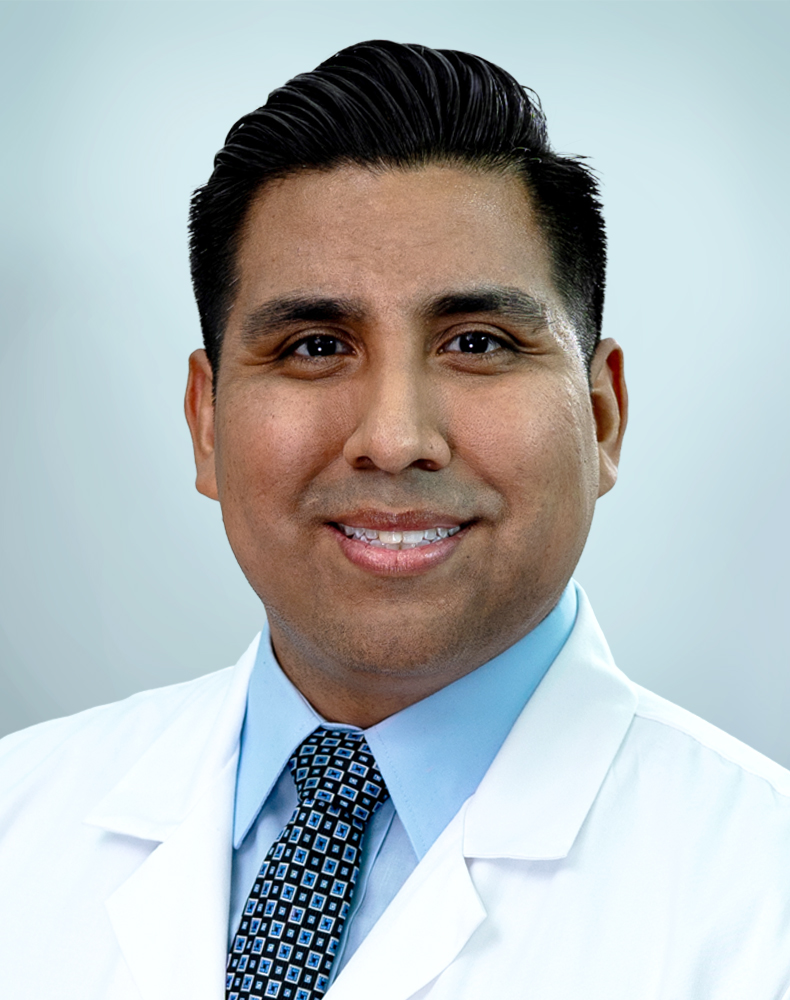 Giorgio Negron, MD, RMSK Sports Medicine, Non-Surgical Orthopedics (Adult)
 -
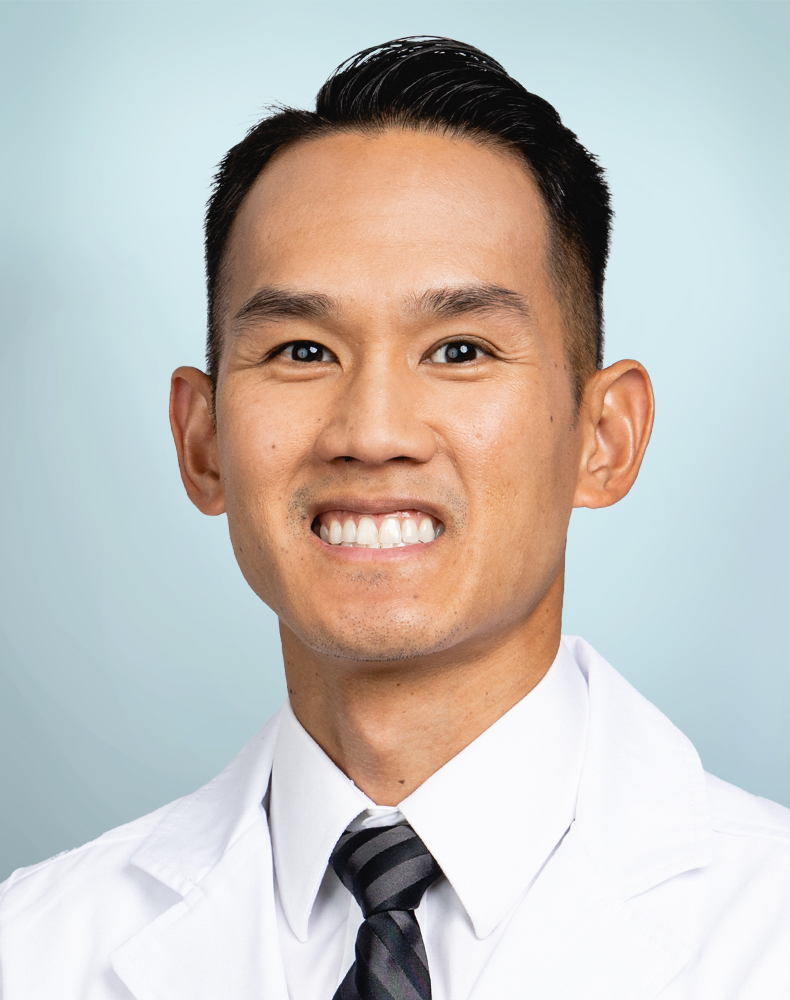 Alexander Nguyen, MD Sports Medicine, Non-Surgical Orthopedics (Adult)