
Her First Mammogram May Have Saved Her Life
August 27, 2026
Story Highlights
- Michelle was diagnosed with breast cancer after her first mammogram.
- Today, Michelle is in remission and grateful for her family’s support.
Schedule your mammogram appointment today.
855-530-2383What Led Michelle to Schedule Her First Mammogram?
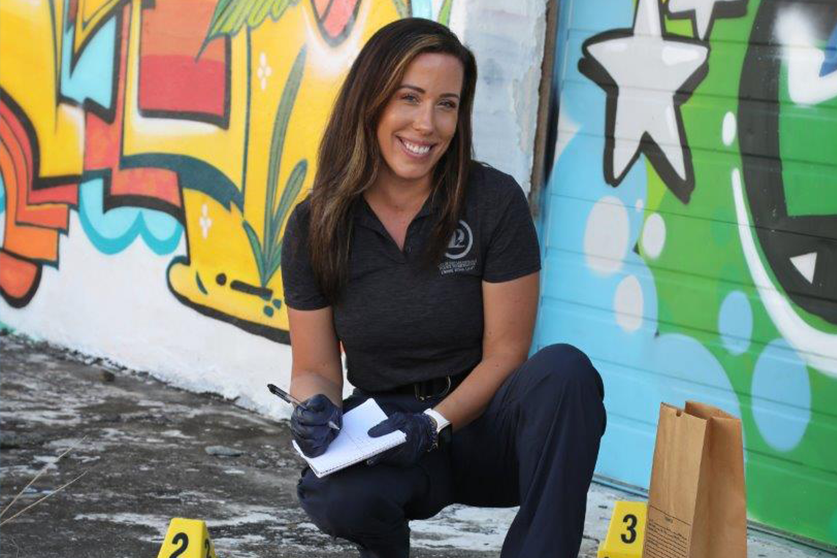
Michelle considers herself an average person. She's a mom to an 11-year-old boy, a crime scene investigator, and someone who loves spending time with family and friends, being outdoors, and working out.
When she turned 40, she also made a commitment to take better care of herself.
I really started taking my health seriously. I was eating right, trying to get a lot of protein, and strength training.
In July 2024, Michelle visited her gynecologist and received a prescription for her first mammogram. She put the prescription aside and forgot about it. A year passed. After talking to a friend, Michelle learned that an acquaintance she’d known died from breast cancer.
“I was like, 'I need to go get my mammogram.’ I never did it.”
Michelle found the prescription and realized it would expire in five days. She immediately scheduled her mammogram the day before the prescription expired.
Michelle’s Biopsy Results Show Atypical Cells
The mammogram showed dense breast tissue (more fibrous and glandular tissue than fatty tissue, which may make it harder to detect cancer) in her left breast, so she needed additional imaging. When she returned, the care team found calcifications in her breast. A biopsy came back benign, but the radiologist wasn't completely convinced. A second biopsy revealed atypical cells (abnormal cells in the milk ducts or lobules), so Michelle was referred to a breast surgical oncologist, who recommended removing the tissue and sending it to the lab. There was only a small chance it was cancer, so Michelle decided not to take any chances and had the surgery.
When she received her results, she had an 8-millimeter tumor in her breast. Michelle would need another surgery to remove it and one lymph node after cancer cells were found. She was grateful the cancer had been discovered early.
"It was nothing I would have felt," she says. "They couldn't even see it right away in the imaging. It was in the calcification."
Deciding to Move Forward With Chemotherapy
Michelle met with breast medical oncologist Adriana Milillo Naraine, MD, and radiation oncologist Benjamin Greenberger, MD, at Memorial Cancer Institute. Because the cancer had been caught early, Michelle initially believed chemotherapy probably wouldn't be necessary. Then her Oncotype DX test (which looks at genes in a breast cancer tumor that can help determine how likely the cancer is to return and whether chemotherapy may help lower that risk) score came back at 26, and her care team recommended four rounds of chemotherapy. Michelle's first response was immediate.
"I'm not doing it," she says. "Nope."
She didn't like taking medication, preferring supplements and natural remedies. She didn't want cancer treatment to take over her life. And perhaps most of all, she was afraid of what chemotherapy might mean for her 11-year-old son because she didn’t want him to see her sick.
But a conversation with Roxanne, a nurse she met while getting blood work, helped Michelle see things differently. She reminded her that her son was watching.
"He needs to see his mom can fight this," Michelle remembers her saying.
"All right," she thought. "I'm gonna do it."
Staying Healthy and Positive During Cancer Treatment
During chemotherapy and radiation treatment, Michelle continued exercising when she could. She also used DigniCap cold cap therapy to cool her scalp during chemotherapy to reduce hair loss.
After her first round of chemotherapy, Michelle found herself helping another patient who was facing the same decision. Dr. Milillo Naraine asked her to speak with a woman who had been newly diagnosed with breast cancer and had just said, “I'm not doing it." Michelle shared her experience and similar feelings of doubt and worry with the woman, and the two stayed in touch. Eventually, they both completed chemotherapy.
Michelle's journey has been filled with moments of uncertainty, but she says her son and care team helped make even the hardest days feel manageable. Dr. Milillo Naraine and her nurse practitioner, Jessica, encouraged her and believed in her, and her chemotherapy nurses, Charlene and Maya, brought positivity to her treatment days.
Through the surgeries, chemotherapy, and radiation, Michelle discovered something else: She was stronger than she knew.
If you’re 40 or older, make sure you schedule your mammogram.
Schedule your mammogram appointment today.
855-530-2383


Related Providers
-
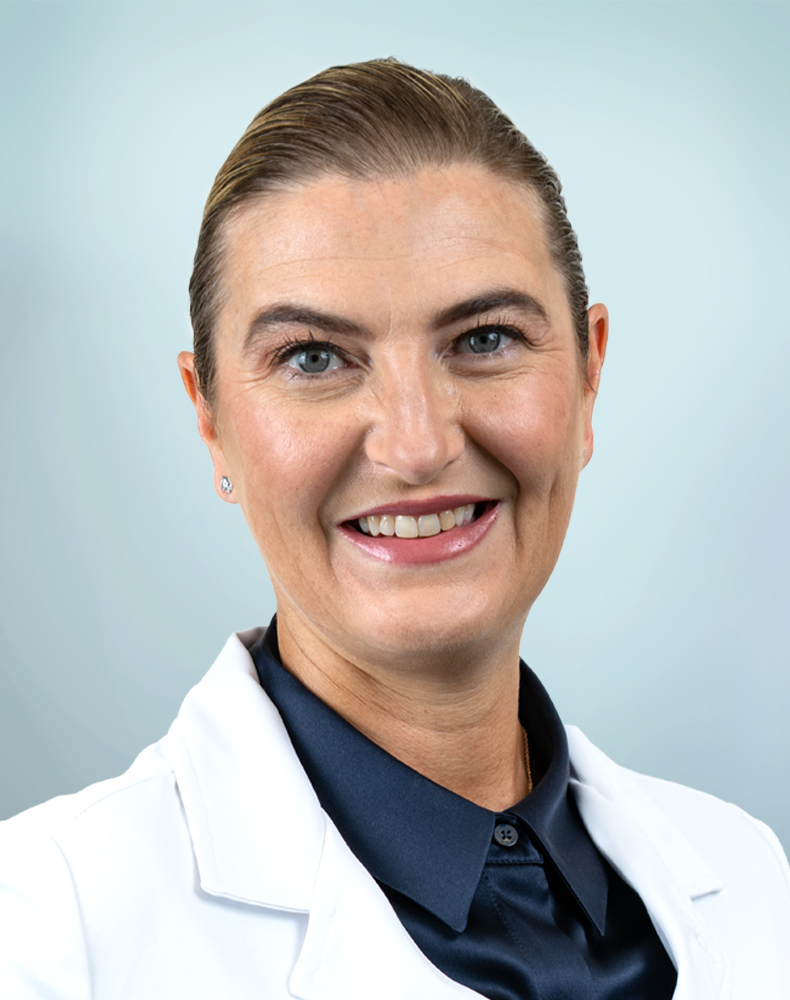

 Erica Bloomquist, MD Breast Surgical Oncology
 -
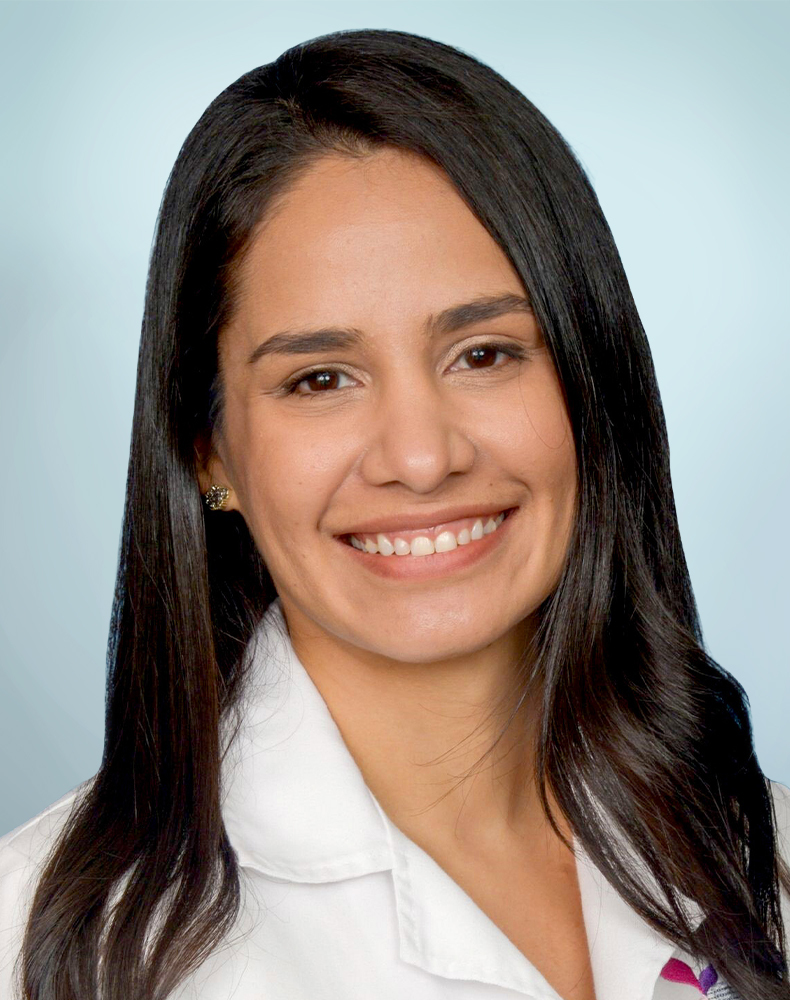 Alejandra Ergle, MD Breast Medical Oncology
 -
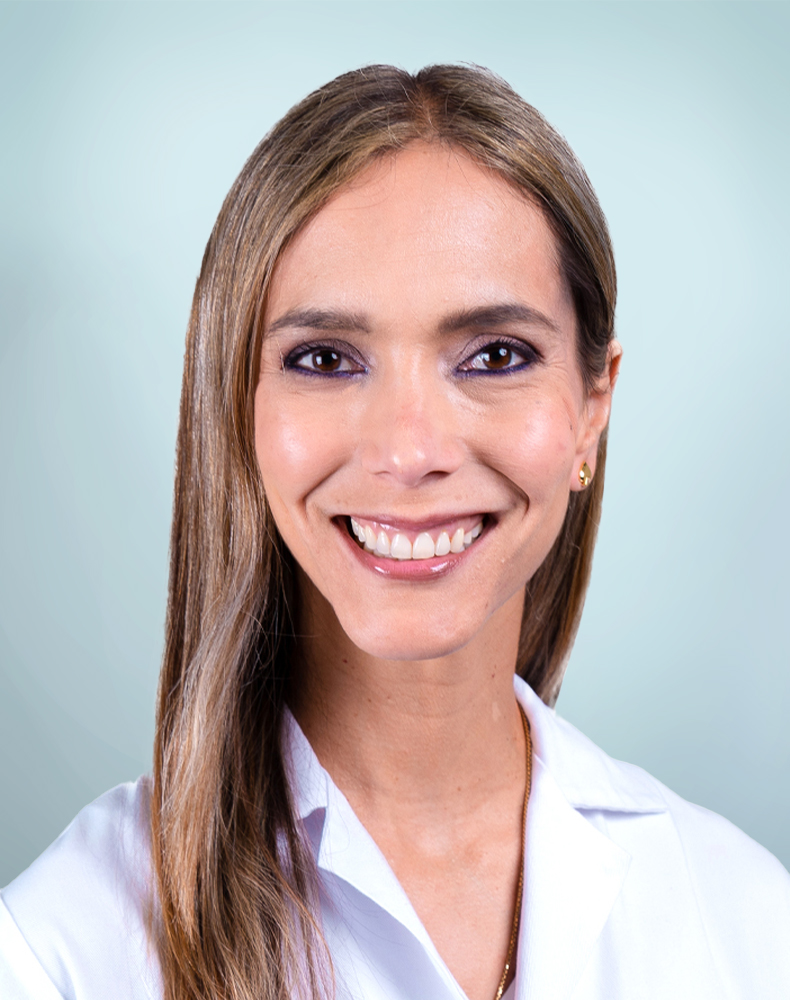 Adriana Milillo Naraine, MD Breast Medical Oncology
 -
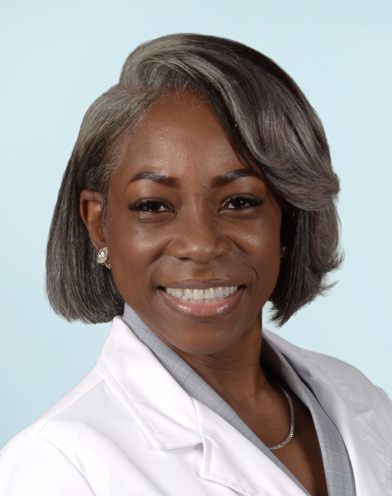 Aretha Nelson-Casimir, MD Breast Medical, Internal Medicine
 -
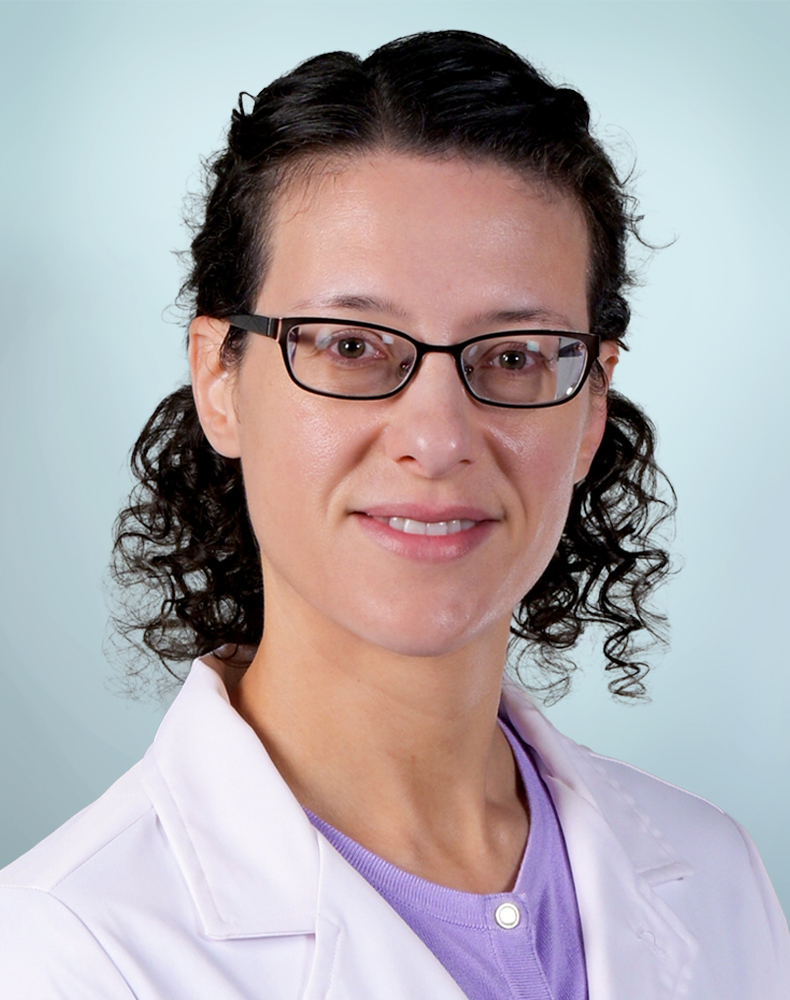 Esther Ozeryansky, MD Breast Surgical Oncology
 -
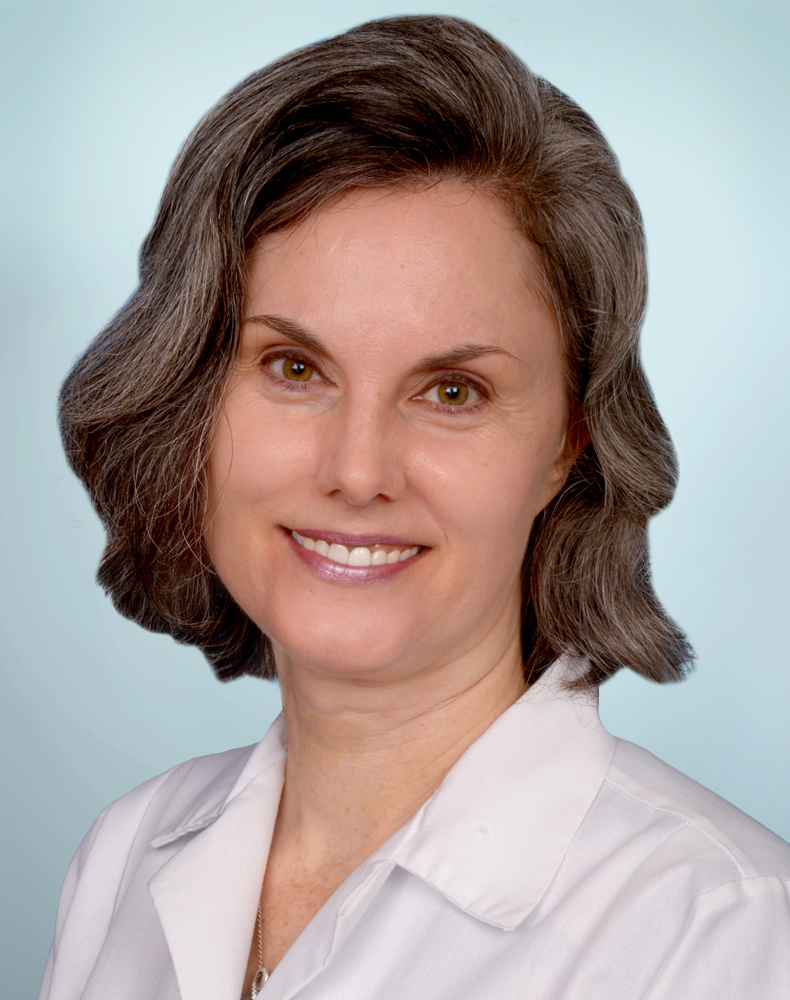 Heather Wright, MD Breast Surgical Oncology
 -
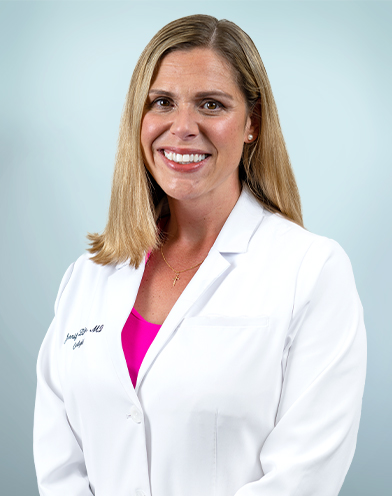 Jennifer Zikria, MD Hematology & Oncology
