

Achalasia Surgery
Our skilled surgeons offer a surgical option, Heller myotomy, which is the gold standard treatment for achalasia and the treatment that provides the most effective and long-term relief.
Understanding Achalasia
Achalasia is a rare condition that prevents food from passing through your esophagus into your stomach. Because it interferes with your ability to eat and drink, it can significantly affect your quality of life.
Achalasia occurs due to problems with the muscles in your esophagus:
- The muscular contractions of the esophagus are affected and weaken over time, so that the esophagus loses its strength to propel food down to the stomach.
- On top of that, the ring-shaped muscle at the lower end of the esophagus usually stays closed to prevent stomach acid from backing up into the esophagus (reflux).
- In achalasia, the muscle fails to relax.
It's not clear why some people develop achalasia. Doctors think it might be caused by a viral infection. Another theory is that your immune system attacks the nerves that control muscle function in your esophagus.
In some cases, achalasia is secondary to other conditions, such as stomach cancer, Chagas disease, and certain neurodegenerative disorders.
Symptoms of achalasia include:
- Difficulty swallowing (dysphagia)
- Regurgitation of food back into your mouth
- Chest pain
- Heartburn
- Weight loss
Achalasia develops slowly, and you may not realize something is wrong right away. Over time, symptoms become more noticeable.
When severe, achalasia can cause malnutrition and dehydration requiring hospital care. Pneumonia is also a risk if you aspirate food into your lungs.
Tests your doctor may use to diagnose achalasia include:
- Barium swallow (esophagram): An X-ray procedure in which you drink a contrast liquid containing barium, which coats the esophagus and stomach, in order to look for abnormalities.
- Esophageal manometry: A thin tube is inserted through your mouth and throat into your esophagus. As you sip water, the tube measures pressure and muscle contractions.
- Upper endoscopy: A thin tube with a camera (endoscope) is inserted through your mouth and throat to examine the inside of your esophagus.
Gastroenterologists treat achalasia using a range of non-surgical approaches, including:
- Medications: Medications are available to ease symptoms, but they don't address the underlying cause of achalasia.
- Botulinum toxin injections: This procedure involves passing a thin tube equipped with a camera and tiny tools (endoscope) into your throat. Your doctor injects botulinum toxin (Botox) into the lower esophageal sphincter, relaxing the muscle so food can pass. Since there is paralysis of the lower esophageal sphincter to allow food to pass, there is a high risk of reflux. The effects typically last from three to six months.
- Balloon dilation: In this treatment, an endoscope is used to insert a deflated balloon inside the lower esophageal sphincter. As they inflate the balloon, the muscle opens. The effects may last up to a year, but symptoms often return. There is also a risk of perforation of the esophagus, especially with repeated procedures.
- Peroral endoscopic myotomy: In this endoscopic procedure, your doctor cuts through the lower esophageal sphincter from inside the esophagus. This treatment effectively opens the sphincter but has a high risk of reflux.
Achalasia Surgery at Memorial Healthcare System
Surgery for achalasia can provide a more permanent solution than non-surgical treatments. At Memorial Healthcare System, we offer expert surgical care for achalasia. That care starts with a comprehensive consultation to help you decide if surgery is the right option for you.
When possible, it’s best to consult with a surgeon before having botulinum toxin injections or balloon dilation. These treatments can make surgery more complex.
Heller Myotomy
Our skilled surgeons offer a laparoscopic or minimally-invasive surgical option called Heller myotomy, the gold standard treatment for achalasia that provides the most effective and long-term relief. This operation opens the lower esophageal sphincter while also taking steps to reduce reflux. In this procedure, the surgeon:
- Makes small incisions in your abdomen.
- Inserts a camera and small instruments through the incisions.
- Cuts through the circular muscle fibers of the lower esophageal sphincter to open it up.
- Pulls a portion of the stomach up and around the esophagus to provide support and prevent reflux (fundoplication).
Heller myotomy is a safe and effective treatment. It’s performed under general anesthesia and takes about two hours. You typically go home the next day and can resume your usual activities within one week.
After Heller myotomy, most people experience excellent symptom relief with little reflux. Studies show that more than 90% of people report long-term improvements in quality of life after surgery.
Why Choose Memorial Healthcare System for Achalasia Surgery?
-

Expert team
You receive care from board-certified surgeons who are experienced in performing complex gastrointestinal procedures.
-

Least invasive options
We use minimally invasive techniques to reduce pain after surgery and help you heal faster.
-

Coordinated care
Our team is by your side at every step to ensure a seamless care experience.
-

Patient-first approach
We provide education and support to help you make treatment decisions and feel confident in your care.
Related Providers
-


 Brett Cohen, MD Bariatric Surgery, General Surgery
 -
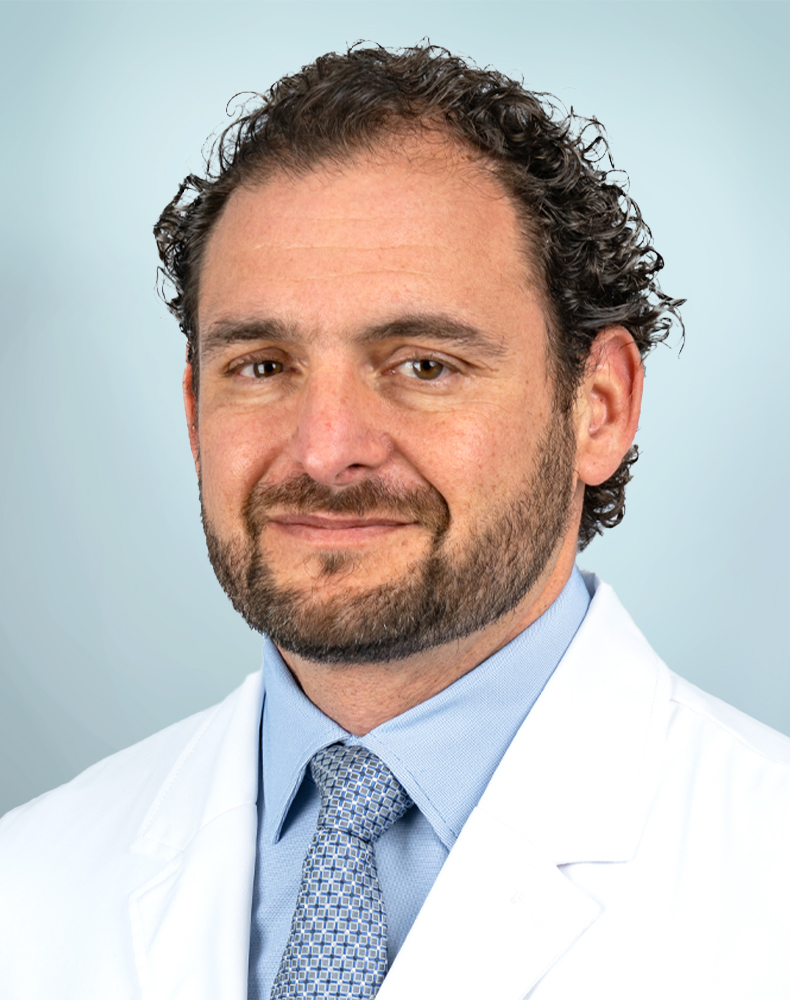 Jeremy Gallego Eckstein, MD Bariatric Surgery, General Surgery
 -
 Davis Horkan, MD General Surgery, Surgery
 -
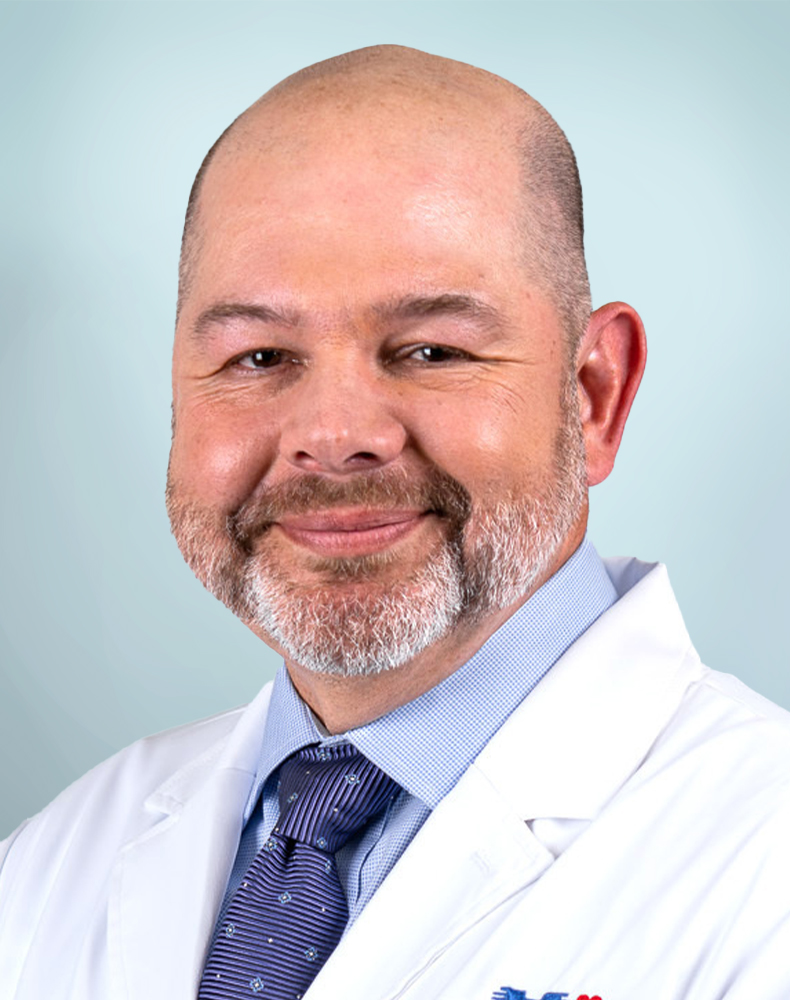 Alberto Iglesias, MD General Surgery, Surgery
 -
 Joseph Melendez-Davidson, MD Bariatric Surgery, General Surgery
 -
 Daniel Vanuno, MD General Surgery, Surgery


