
Primary, Urgent or Virtual Care: Which One Do I Need?
November 13, 2026

Key Takeaways
- It’s important to establish a relationship with a primary care provider. They can help you manage preventive care and your overall health needs.
- Urgent care provides fast and easy access to medical treatment. Walk-in centers and same-day appointments make it possible to receive immediate care for minor concerns without a trip to the ER.
- Many doctors offer virtual care appointments. Telehealth appointments allow you to get the care you need from the comfort of home.
“With so many ways to see a healthcare provider, there’s no reason to put off getting the care you need,” says Wen Wu, DO. “More choices also means it’s easier than ever to access treatment.”
But sometimes it's hard to know which option is best and when. While there is overlap in the services offered by a primary care physician, urgent care center and virtual care, they aren’t always interchangeable.
Do I Need to Have a Primary Care Provider?
Choosing a primary care provider (PCP) and establishing a relationship with them is one of the smartest moves you can make. PCPs provide a broad range of care and should be your first stop when you have questions or concerns about your health.
"It’s important to build a long-term connection with a doctor who knows you, understands your health conditions and concerns, and is familiar with your personal and family health history," says Dr. Wu. Having a relationship with a PCP can help you better manage any current conditions and ensure you get the preventive care you need to stay healthy.
Services you can get through your primary care provider include:
- Annual physicals
- Management of chronic health conditions, such as asthma, diabetes, high blood pressure or high cholesterol
- Preventive care and health screenings
- Treatment for common illnesses, including flu, strep throat and urinary tract infections
- Vaccines
Your PCP can also offer referrals and coordinate care with specialists who treat more complex medical needs.
Memorial Healthcare System offers in-person appointments with primary care doctors at multiple convenient area locations. You can find a doctor, schedule an appointment and communicate with your provider through your MyChart patient portal.
When Should I Go to Urgent Care Instead of My PCP?
Many primary care offices can provide same-day appointments for urgent medical needs. But if you can’t get a timely appointment or you have a concern your PCP can’t address, an urgent care center may be the best option.
The biggest advantage of urgent care is accessibility. Memorial urgent care centers in Hollywood, Pembroke Pines and Hialeah offer walk-in care with no appointment needed. They also have extended hours and weekend availability, making it easier to get same-day care.
"Urgent care shouldn’t be a substitute for building a relationship with a primary care physician. But it can be a great way to fill in gaps in care," says Dr. Wu.
You can head to your nearest urgent care center for problems such as:
- Eye, ear or urinary tract infections
- Minor injuries, such as cuts or sprains
- Persistent cough or sore throat
- Respiratory illnesses, including flu, COVID-19 or respiratory syncytial virus (RSV)
Don’t go to an urgent care center if you or a loved one is experiencing a potentially life-threatening illness or injury. For a true medical emergency, call 911 or visit your nearest emergency department.
How Do I See a Doctor Using Virtual Care?
Telehealth appointments make it easy to access care whenever and wherever you need it. With Memorial, there are two options. Memorial Primary Care patients can see their own doctor virtually, by appointment, during regular business hours.
For on-demand care, MemorialDocNow lets you connect with a provider virtually from your computer, phone or tablet. Please note that this service isn’t intended for those with government-payer programs like Medicare and Medicaid.
This on-demand, self-pay service is available 24/7 without an appointment. Virtual visits cost $59 and are a convenient way to get care for minor illnesses, such as:
- Allergies
- Asthma
- Cough
- Flu
- Pink eye
- Sinus infection
- Sore throat
- Urinary tract infection
Our physicians use a secure platform that ensures patient privacy. During a video call, they can discuss your health history, assess symptoms and make a diagnosis. They can even prescribe medications if needed.
Virtual care and in-person urgent care are both great options when you need care that’s fast and convenient. But neither can, or should, take the place of a primary care provider.
Think of your PCP as the one who heads up your healthcare. So even when you need to see someone else for an urgent concern, be sure your PCP stays in the loop to follow up and provide the most comprehensive care possible.
Frequently Asked Questions
While both facilities provide on-the-spot care, they serve different purposes.
Urgent care is meant to fill in when your primary care doctor is unavailable to provide immediate care. You can visit an urgent care center for diagnosis and treatment of common illnesses and minor injuries.
The emergency room is for life-threatening conditions, such as chest pain, trouble breathing or signs of a stroke.

Medically Reviewed by Wen Wu, DO
This content has been medically reviewed to ensure clinical accuracy.
Call us for more information or to schedule an appointment
Call Primary Care: 954-276-5522 Find a Primary Care Provider


Related Providers
-


 Oludara Amole, MD Internal Medicine - Memorial Primary Care
-
 Nathan Boire, MD, MPH Internal Medicine - Memorial Primary Care
-
 Gary Brown, MD Family Medicine - Memorial Primary Care
-
 Ramon Chiong, DO Pediatrics
-
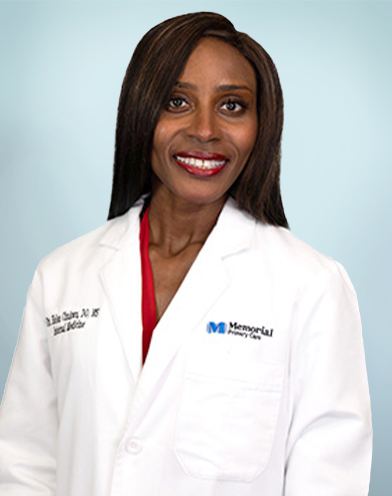 Helen-Valentine Chukwu, DO Internal Medicine - Memorial Primary Care
-
 Daniela Colimodio Gonzalo, MD Internal Medicine - Memorial Primary Care
-
 Perla Del Pino, DO Family Medicine - Memorial Primary Care
-
 Javier Espinal, MD Internal Medicine
-
 Lori Frisard, DO Family Medicine - Memorial Primary Care
-
 Marcela Fundaminsky, MD Family Medicine - Memorial Primary Care
-
 Randa Ghali, MD Internal Medicine - Memorial Primary Care
-
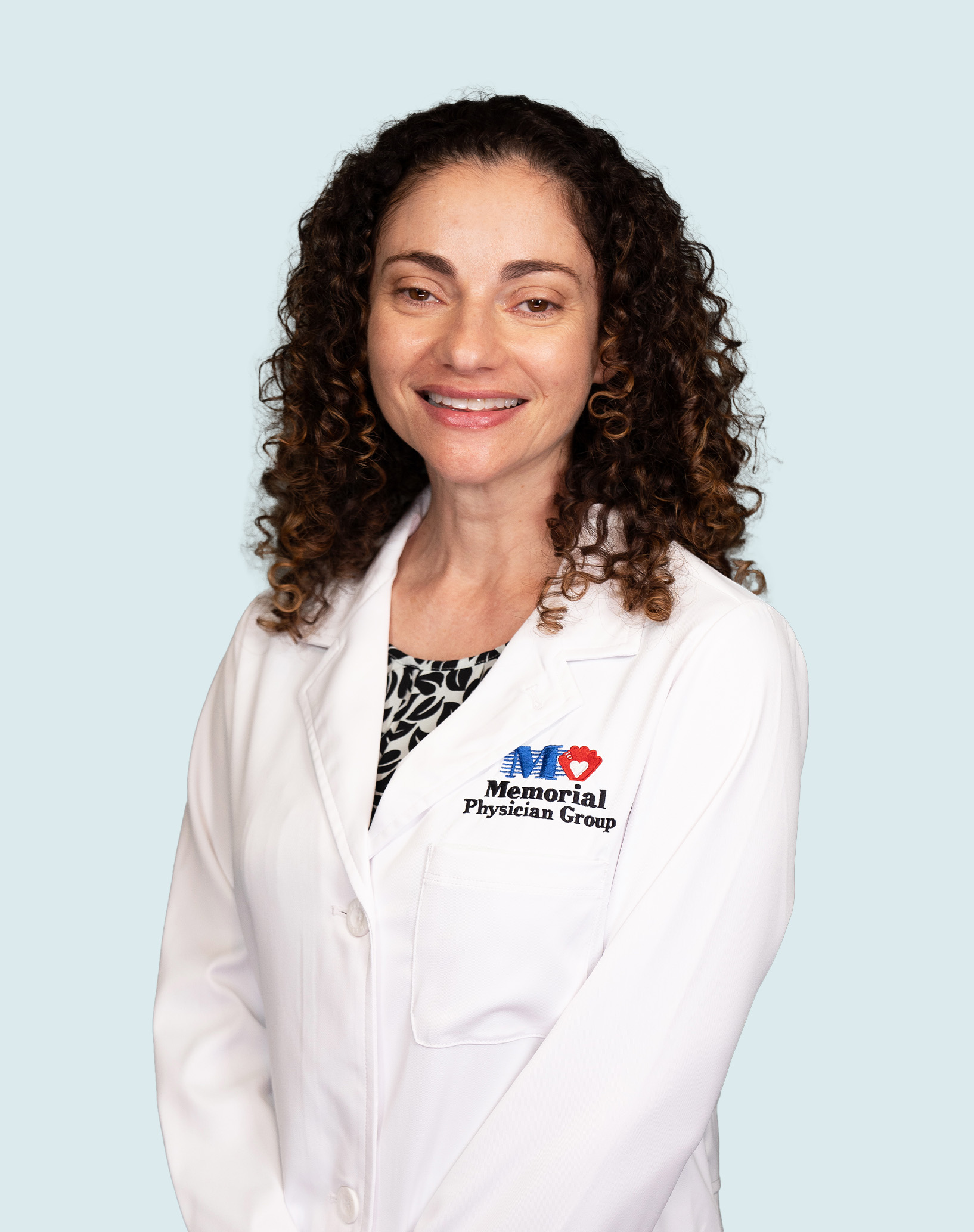 Jennifer Goldman, DO Family Medicine - Memorial Primary Care
-
 Shery Goril, MD Family Medicine - Memorial Primary Care
-
 Gokhan Guvenli, MD Family Medicine
-
 Marialejandra Homez Rincon, MD Internal Medicine
-
 Carmen Hurtado, MD Internal Medicine - Memorial Primary Care
-
 Syeda Hussain, MD, MPH Internal Medicine - Memorial Primary Care
-
 Natalie Jorge-Rodriguez, MD Family Medicine - Memorial Primary Care
-
 Aseret Medina Vargas, MD Internal Medicine - Memorial Primary Care
-
 Salvador Mora, MD Internal Medicine - Memorial Primary Care
