
PCOS Is Now PMOS: What the Name Change Means for Women’s Health
September 28, 2026

Article Highlights
- Many women with PMOS don’t have ovarian cysts. A major reason for the name change is that the presence of ovarian cysts isn't required for a PMOS diagnosis.
- PMOS affects more than the ovaries.The condition impacts hormonal, metabolic, and reproductive health systems, not reflected in the former PCOS diagnosis.
- Women with PMOS have a higher risk of developing chronic conditions, such as Type 2 or gestational diabetes, metabolic syndrome, high blood pressure, and high cholesterol.
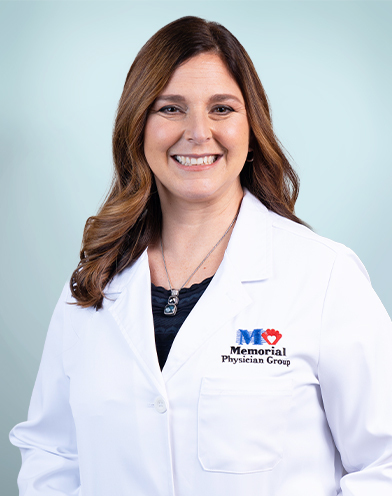
Global health leaders have updated the name polycystic ovary syndrome (PCOS) to polyendocrine metabolic ovarian syndrome (PMOS). This term more accurately reflects the condition affecting 1 in 8 women globally, according to Amy Aronovitz, MD, an endocrinologist at Memorial Healthcare System.
Dr. Aronovitz explains that a PMOS diagnosis doesn't automatically indicate the presence of ovarian cysts. Many women don't have ovarian cysts with PMOS,” says Dr. Aronovitz. More commonly, women diagnosed with PMOS present with irregular menstrual cycles, increased acne and hair growth in areas such as the chin, chest or lower back.
Acording to Dr. Aronovitz, the new name is more reflective of the many ways the condition can affect women's health. There are many metabolic risks associated with what we used to call PCOS that really aren't fully understood based on that name alone.
What is PMOS?
PMOS is a hormonal condition that causes abnormally high levels of androgens, a group of male sex hormones that includes testosterone. This “hyperandrogenic” state can impact more than the ovaries. It may also affect a woman’s hormones, metabolism, heart and skin health.
- Polyendocrine: Reflects the way PMOS may impact hormones
- Metabolic: Highlights an increased risk for metabolic conditions, such as Type 2 diabetes
- Ovarian: Acknowledges the impact the condition can have on ovulation and menstruation
- Syndrome: Indicates the way PMOS affects multiple body systems, not just the ovaries
Common PMOS Symptoms
Some of the symptoms most often associated with PMOS include:
- Irregular, missed or absent periods
- Severe acne or oily skin
- Excess body hair on the back, chest or face
- Difficulty getting pregnant
- Hair thinning or hair loss on the head
How is PMOS Diagnosed?
The name PCOS may have changed to PMOS, but the path to diagnosis has not, notes Dr. Aronovitz. Providers can diagnose women with PMOS if they meet at least two of the following criteria:
- Signs of high androgen levels (excess body hair or acne) or elevated androgen levels in blood tests
- Irregular menstrual periods
- Presence of cysts within the ovaries
Tests for PMOS
Dr. Aronovitz says providers may perform an exam and tests to evaluate whether women meet diagnostic criteria for PMOS:
- Medical history and physical examination: Your provider will assess your symptoms, including irregular menstrual cycles, excess acne or body hair, hair loss, or infertility.
- Metabolic assessment: Blood tests can measure androgen levels to help confirm signs of hormonal imbalance. Glucose, hemoglobin A1C, cholesterol, and liver enzyme testing can also help identify metabolic conditions and health risks associated with PMOS.
- Ultrasound: Ultrasound can determine the number of ovarian follicles, cysts, or both.
Why Does Early PMOS Diagnosis Matter?
When it comes to managing PMOS symptoms, early diagnosis matters. Dr. Aronovitz says the name change better reflects PMOS symptoms and will hopefully lead to improved treatment across the globe.
One of my hopes with this name change is that it may highlight some of the metabolic risks associated with it, says Dr. Aronovitz. It takes the emphasis away from cysts and places it where it should be: on metabolic risks and regulation of cycles.
Left untreated, PMOS can lead to metabolic complications such as insulin resistance and, eventually, Type 2 diabetes. These hormonal imbalances may increase the risk for high cholesterol, high blood pressure, and heart disease over time.
The younger you're diagnosed, the earlier you can stay on top of the metabolic and cardiovascular risks, says Dr. Aronovitz. Once women are diagnosed, we can follow up with glucose testing and lab work for cholesterol.
Dr. Aronovitz adds that early detection can help women who are struggling with getting pregnant. Since women with PMOS may have hormonal disruptions and ovulate irregularly, they may have higher risks of infertility, miscarriage and gestational diabetes during pregnancy.
The last thing we want to see is a young woman with PMOS struggling to start a family without understanding those risks, explains Dr. Aronovitz. If you've been diagnosed, we can work with you in the family planning process to manage symptoms and monitor your health for several months leading up to potential pregnancy.
What to Do If You Suspect PMOS
Dr. Aronovitz encourages women experiencing irregular periods, excess acne and hair growth or difficulty getting pregnant to talk with their healthcare providers. Early PMOS diagnosis can help manage symptoms and reduce long-term complications.
Advocate for yourself, says Dr. Aronovitz. Talk to your physician, ask about screening and make sure they're monitoring the metabolic risks associated with PMOS.

Medically Reviewed by Amy Aronovitz, MD
This content has been medically reviewed to ensure clinical accuracy.
To make an appointment, call:
954-265-7550


Related Providers
-


 Amy Aronovitz, MD Endocrinology
 -
 Karen Askari, MD Endocrinology
 -
 Ailyn Rivero, MD Endocrinology
 -
 Seda Suvag, MD Endocrinology
