
9 Tips for a Heart-Healthy Lifestyle
February 09, 2026


Your heart supports you through every busy day and quiet moment. Caring for it is one of the best gifts you can give yourself and the people who count on you. It does not have to be complicated or overwhelming. Simple lifestyle choices can make a real difference in how you feel today and how healthy you stay in the years ahead. These tips can help you build heart healthy habits that support long term heart health and overall wellness.
Here are nine simple steps to help you build a heart healthy lifestyle.
1. Eat heart-healthy foods

Start with your plate to help keep your heart in top shape.
- Make fruits, vegetables, and whole grains the foundation of your diet.
- Choose lean and plant-based proteins like beans and nuts.
- Add fiber to your diet to help control cholesterol.
- Swap high-fat dairy products for lower-fat versions.
- Switch to oils high in unsaturated fats, like canola and olive oil.
Try to limit foods with added salt and sugar. Learn more about the American Heart Association’s recommendations for a healthy Mediterranean-style diet.
2. Drink less alcohol to lower heart disease risk

Consuming too much alcohol raises blood pressure and increases your risk of developing heart disease.
According to the Dietary Guidelines for Americans, adults 21 years and older should limit the amount of alcohol they drink or do it in moderation.
So, what's considered moderate drinking?
- Women: One drink (or fewer) a day.
- Men: Two drinks (or fewer) a day.
3. Keep moving for a healthy heart

Your heart is a muscle, and regular exercise keeps it strong.
The Centers for Disease Control and Prevention (CDC) recommends 150 minutes of moderate-intensity physical activity each week. The good news? You can break that up into chunks of time that work for your schedule.
Do what you can each day to sit less and move more.
4. Watch your numbers to keep your heart healthy
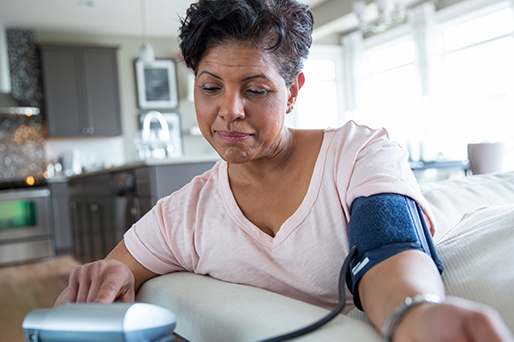
Knowing your health numbers can help you take care of your heart and catch potential issues early. Two of the most important numbers to monitor are your blood pressure and cholesterol.
High blood pressure is usually defined as 130/80 or higher. High cholesterol often means a total cholesterol level of 200 or higher or elevated LDL (bad cholesterol). Over time, these can increase your risk of heart disease and stroke. Your healthcare provider can help you understand what your numbers mean and whether lifestyle changes or medication may help.
Other factors that affect your heart health include:
- Your age: Heart disease risk increases as you get older. If you are 45 or older (for males) or 55 or older (for females), Talk to your healthcare provider about actions you can take to protect your heart.
- Your weight: Carrying extra weight makes your heart work harder. It also increases your risk of coronary artery disease. Aim for a weight that feels healthy and sustainable for you.
Keeping track of your numbers and scheduling regular checkups can help you stay proactive about your heart health.
5. Know your family history of heart disease

Ask if there’s a history of heart disease in your family. If you have a relative who had early heart disease (before 55 for males and 65 for females), tell your healthcare provider. Find out if a family member had:
6. Quit smoking — your heart will thank you

Smoking and vaping expose your heart and blood vessels to harmful chemicals. Over time, this damage increases your risk of:
- Cardiovascular disease
- Coronary artery disease
- Heart attack
- Lung cancer
- Stroke
If you smoke, quitting is one of the most powerful steps you can take for your heart health. Even if you already have heart disease, stopping can improve circulation, lower your risk of complications, and support long term health.
7. Manage stress to protect your heart

We all feel stress. But when we have trouble managing it, we’re more likely to:
- Engage in behaviors like smoking or drinking too much alcohol
- Make poor food choices or skip exercise
- Not get enough sleep
Stress also affects your heart rate and rhythm. Try a calming activity to help you cope, such as:
- Meditation or yoga
- Spending time with a friend or family member
- Walking
- Watching a funny movie
- Working on a relaxing hobby
8. Keep an eye on your heart rhythm
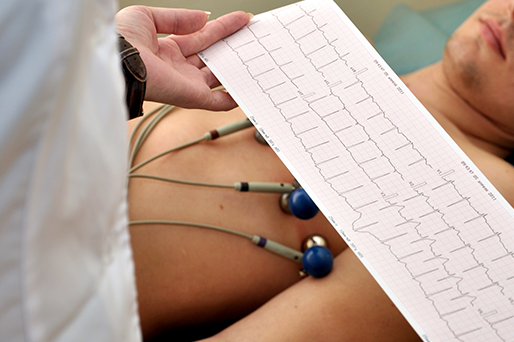
Your heart works through a carefully coordinated electrical system that keeps it beating in a steady rhythm. When that rhythm becomes irregular, it is called an arrhythmia. Some arrhythmias are linked to conditions you are born with, but lifestyle habits and overall heart health also play an important role in reducing risk.
Many wearable devices track heart rate and fitness activity, and some can also detect irregular heart rhythms. These tools may be helpful if you have:
- Heart or vascular disease
- Family history of arrhythmia
- Occasional fluttering (palpitations) or racing heartbeats
If your device shows an irregular heartbeat or you notice new symptoms such as dizziness, shortness of breath, or palpitations, talk with your healthcare provider. They may recommend further evaluation or referral to a heart rhythm specialist (electrophysiologist).
9. Get quality sleep to benefit your heart

Skimping on sleep raises your blood pressure and increases heart attack risk. Have trouble falling asleep or wake frequently during the night? Try to:
- Avoid caffeine and alcohol in the evening
- Go to bed and get up at the same time each day
- Set electronic devices aside in the evening so you can unwind
Many wearable devices can tell you how you’re sleeping. Talk to your healthcare provider if you notice breathing irregularities during sleep. Sleep apnea can increase your arrhythmia risk.
Expert Heart and Vascular Care at Memorial
Taking care of your heart is easier when you have the right team by your side. Memorial Cardiac and Vascular Institute brings together cardiologists, heart and vascular surgeons, electrophysiologists, imaging specialists and adult congenital heart experts to deliver coordinated care across the full spectrum of heart and vascular services. Whether you are focused on prevention, managing symptoms, or exploring treatment options, our specialists are here to help you take confident steps toward better heart health.


