
Lung Nodule: Now What? A Guide to Next Steps
October 01, 2026
Article Highlights
- Most lung nodules are non-cancerous (benign). In fact, more than 90 percent are benign. However, it’s important to see a specialist who can help determine whether you need additional testing or follow-up.
- Many lung nodules are found by accident. It’s common for a lung nodule to be discovered on a chest X-ray or CT scan performed for an unrelated health concern.
- The type of doctor you see will depend on your situation. Many people first see a pulmonologist or thoracic surgeon to determine if a lung nodule needs monitoring, biopsy or treatment.
Learning you have a lung nodule can be unsettling. However, most are not cancerous and may only require monitoring over time. Dr. Brian Gotkin, MD and Dr. Mark Block, MD at Memorial Healthcare System explain what a lung nodule is, when further testing is necessary and what type of doctor you’ll see to determine your next steps.
What Is a Lung Nodule?
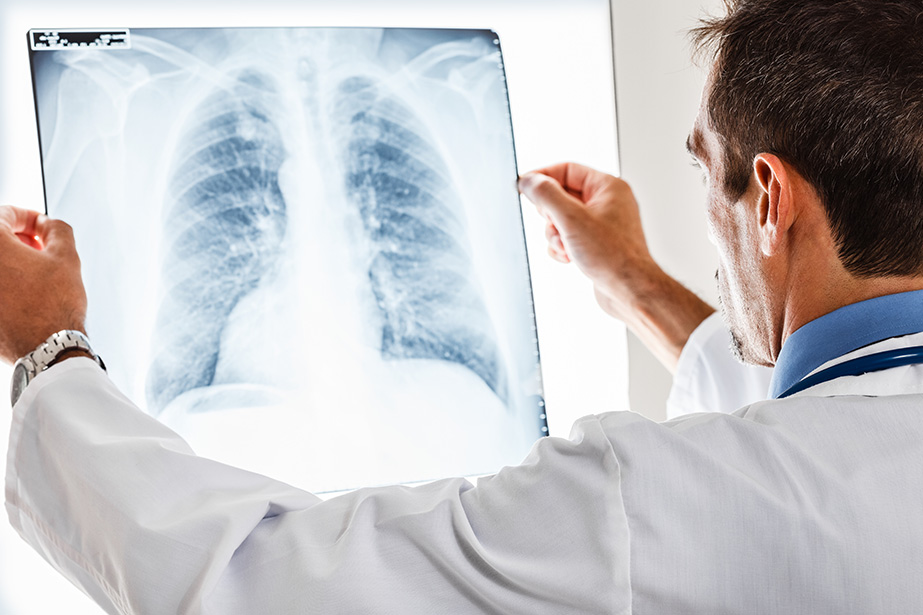
The lung is like a sponge, consisting mostly of tiny air sacs. When an area of solid tissue called a lung nodule forms in the lung, it can appear as a distinct spot on an X-ray.
Lung nodules are very common. Studies done with CT scans found that more than half of adults with a history of smoking have a lung nodule. Doctors often order a CT scan to screen for lung nodules in those with risk factors, such as a history of smoking.

Sometimes doctors discover a lung nodule when they obtain an X-ray or CT scan for unrelated health concerns. This discovery is called an “incidental” finding. No matter how a lung nodule is detected, your doctor will help you decide if it's concerning enough to do further testing, or if it can be safely watched over time.
Fortunately, more than 90 percent of lung nodules are benign. Most won’t cause any symptoms, and some may go away without treatment.
It's important to avoid unnecessary testing and procedures for patients with non-cancerous lung nodules. However, it’s essential to identify which nodules are cancerous early on, when treatment offers the highest chance of cure.
It can be challenging to determine which nodules can be safely monitored and which require further investigation. That’s why every person with a lung nodule should follow up with an expert who can recommend next steps.
Schedule a lung cancer screening today:
Call 954-276-5500What Causes Lung Nodules?
Many factors can cause lung nodules, including:
- Scar tissue after a lung infection
- Lung irritants like air pollution, asbestos and chemicals
- Autoimmune diseases such as rheumatoid arthritis or sarcoidosis
- Lung cancer (less common)
What Happens if My Doctor Finds a Lung Nodule?
If you have a lung nodule, your doctor will assess whether you need additional testing or monitoring only. Often, a radiologist — a doctor who specializes in reading and interpreting medical imaging like X-rays and CT scans — will make a recommendation based on established guidelines.
That recommendation can help your doctor determine whether follow-up imaging or testing is necessary. However, it's not a substitute for an opinion from a lung expert like a pulmonologist or thoracic surgeon.
What Types of Doctors Treat Lung Nodules?
Your doctor may refer you to a specialist for additional testing or treatment. Types of doctors that evaluate lung nodules include:
What They Do Pulmonologists specialize in conditions that affect the lungs. Pulmonologists can review imaging and perform or coordinate additional testing, such as bronchoscopy or biopsy, for a more accurate diagnosis.
When To See Them Seeing a pulmonologist is often the first step if a doctor has found a lung mass on medical imaging. If your doctor believes the growth is benign, a pulmonologist may monitor the lung nodule with repeat scans over time.
What They Do Thoracic surgeons specialize in procedures such as biopsy of lung nodules and surgery of the lungs and chest. This specialist can evaluate if a lung nodule should be observed, biopsied or removed.
When To See Them You may see a thoracic surgeon if your care team is concerned that a lung nodule may be cancerous, needs surgical removal or both.
What They Do An oncologist treats cancer after diagnosis. If a lung nodule is cancerous, this specialist may use therapies such as immunotherapy, chemotherapy or radiation to treat the growth.
When To See Them You will likely visit an oncologist if testing confirms a lung mass is cancerous.
Concerned About a Lung Nodule? Take the Next Step
If you or a loved one has been told you have a lung nodule, it’s important not to ignore it. Most lung nodules aren't cancerous, but early evaluation can help identify cancerous nodules, when treatment is most likely to be effective.
Our accredited lung cancer screening program at Memorial Healthcare System can check for lung nodules. As a designated Cancer Center of Excellence, our team offers accurate testing, diagnoses and treatment.
Medically reviewed by Brian Gotkin, MD, medical director of adult pulmonology, and Mark Block, MD, chief of the division of thoracic surgery, at Memorial Healthcare System.
Schedule a lung cancer screening today:
Call 954-276-5500


Related Providers
-
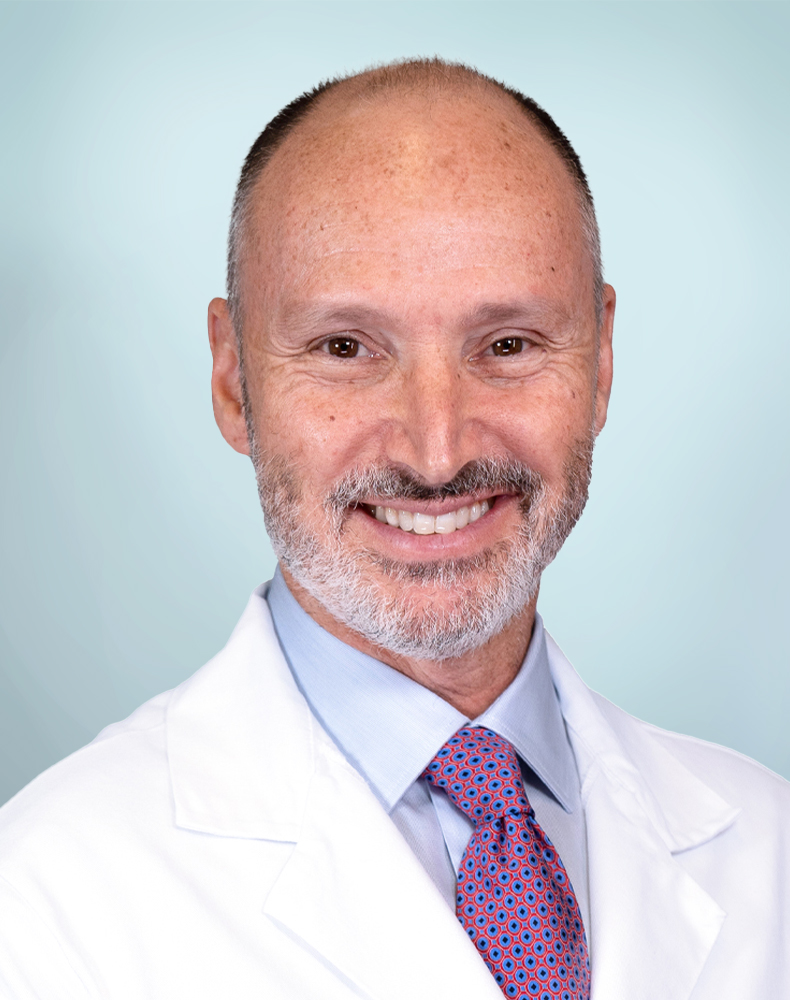

 Mark Block, MD Thoracic Surgery
 -
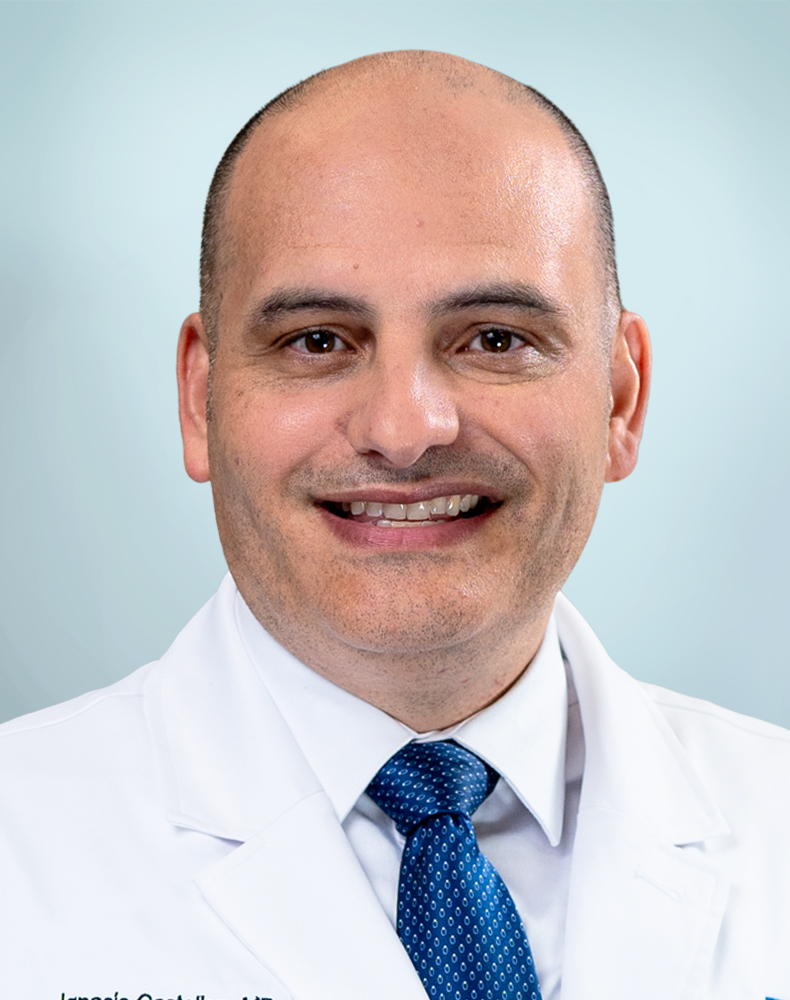 Ignacio Castellon, MD Radiation Oncology
 -
 Gelenis Domingo, MD Hematology & Oncology
 -
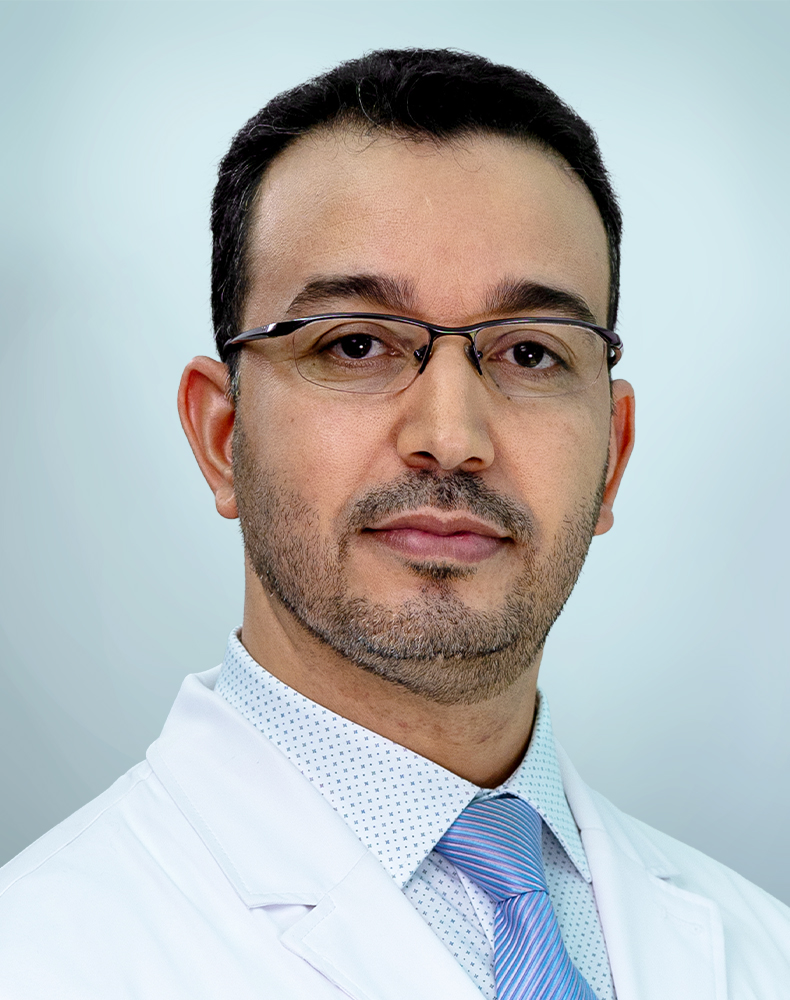 Mohamed El Zaeedi, MD Thoracic Surgery
 -
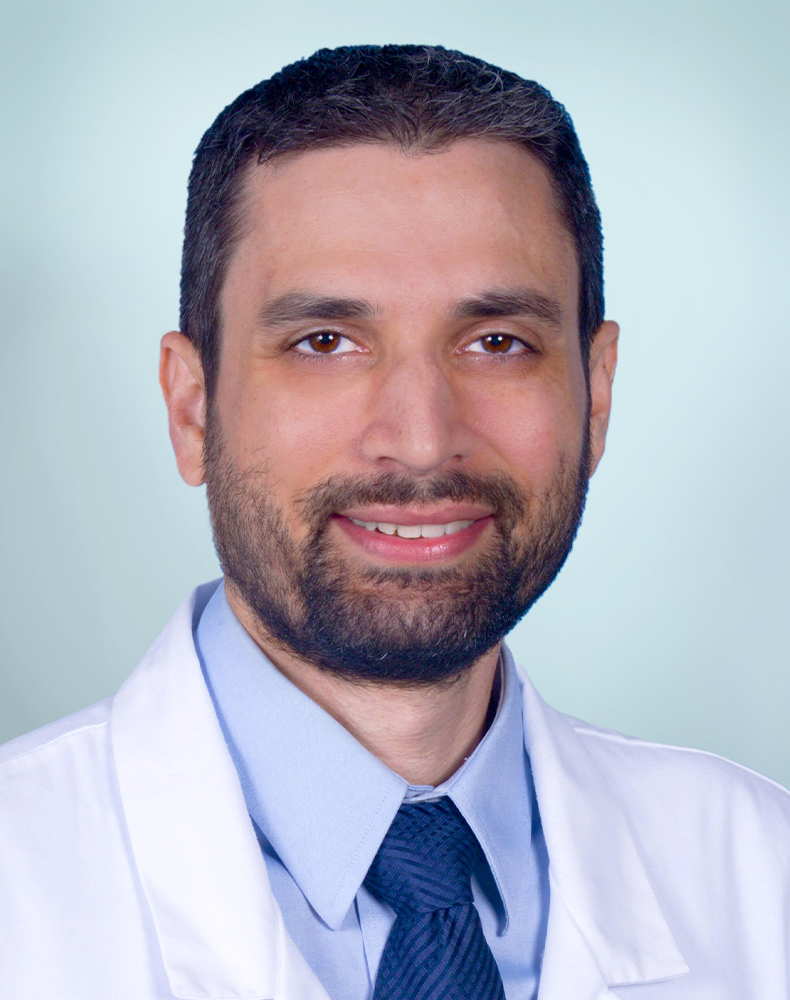 Aaron Falchook, MD Radiation Oncology
 -
 Christine Feng, MD Radiation Oncology
 -
 Jaime Furman, MD Pulmonology, Sleep Medicine
 -
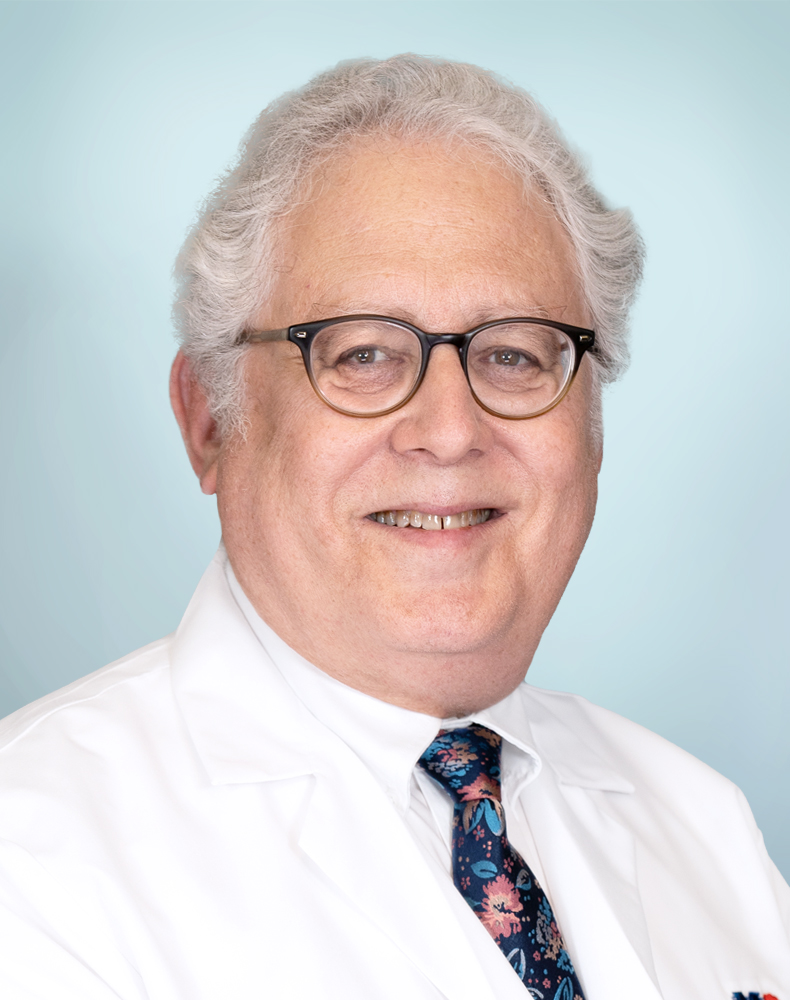 Steven Gittler, MD Pulmonology, Sleep Medicine
 -
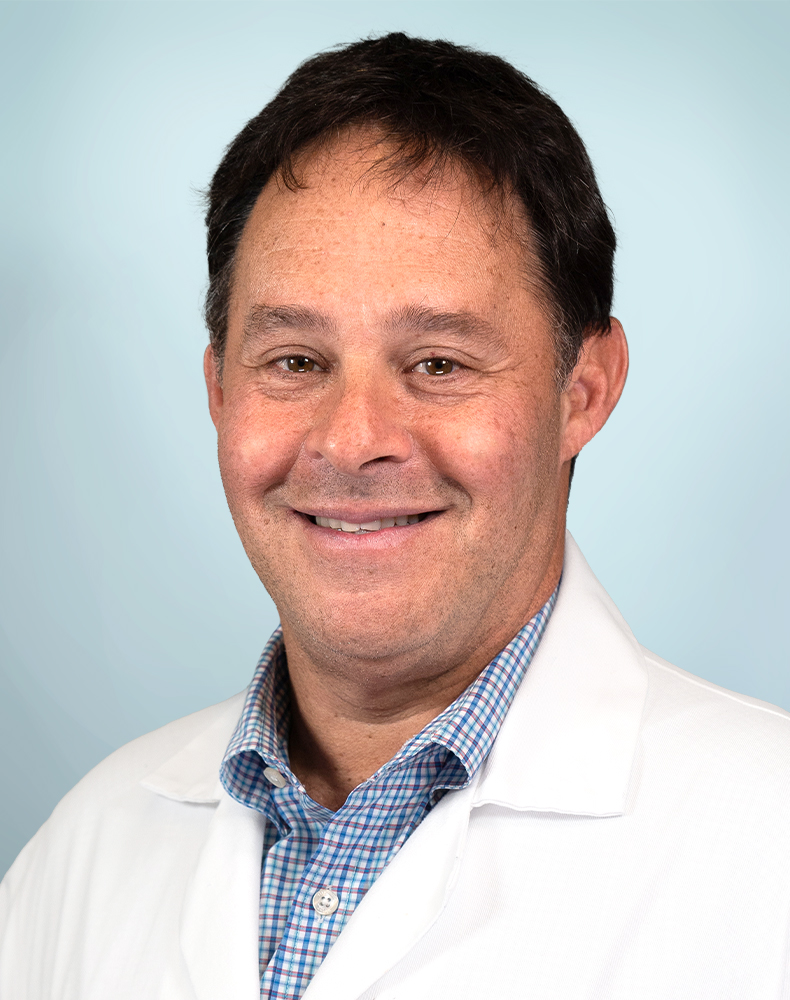 Brian Gotkin, MD Pulmonology, Sleep Medicine
 -
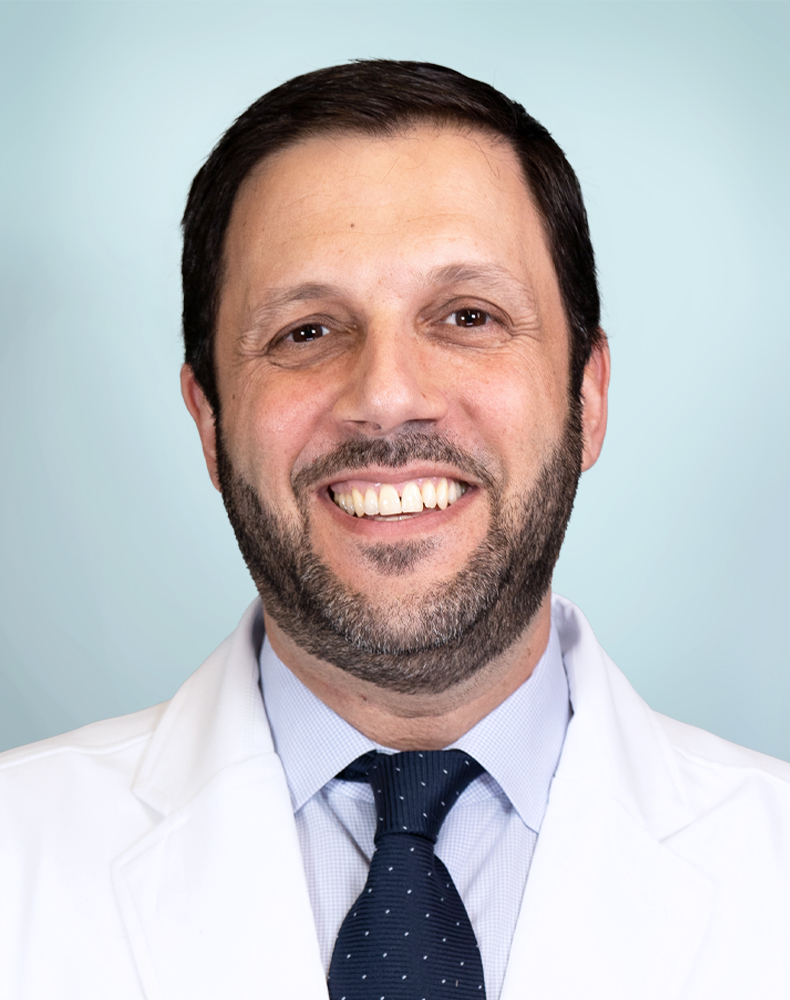 Brian Hunis, MD Hematology & Oncology
 -
 Manuel Martinez, MD Hematology & Oncology
 -
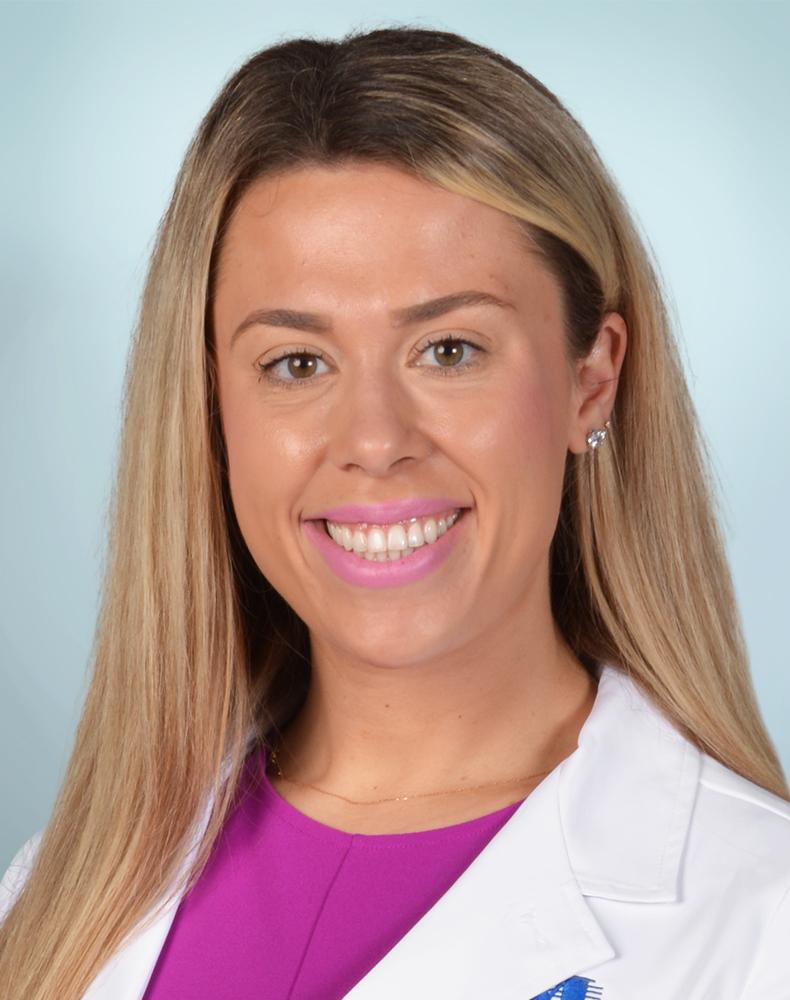 Meri Mehta, MD Hematology & Oncology
 -
 Luis Raez, MD Hematology & Oncology
 -
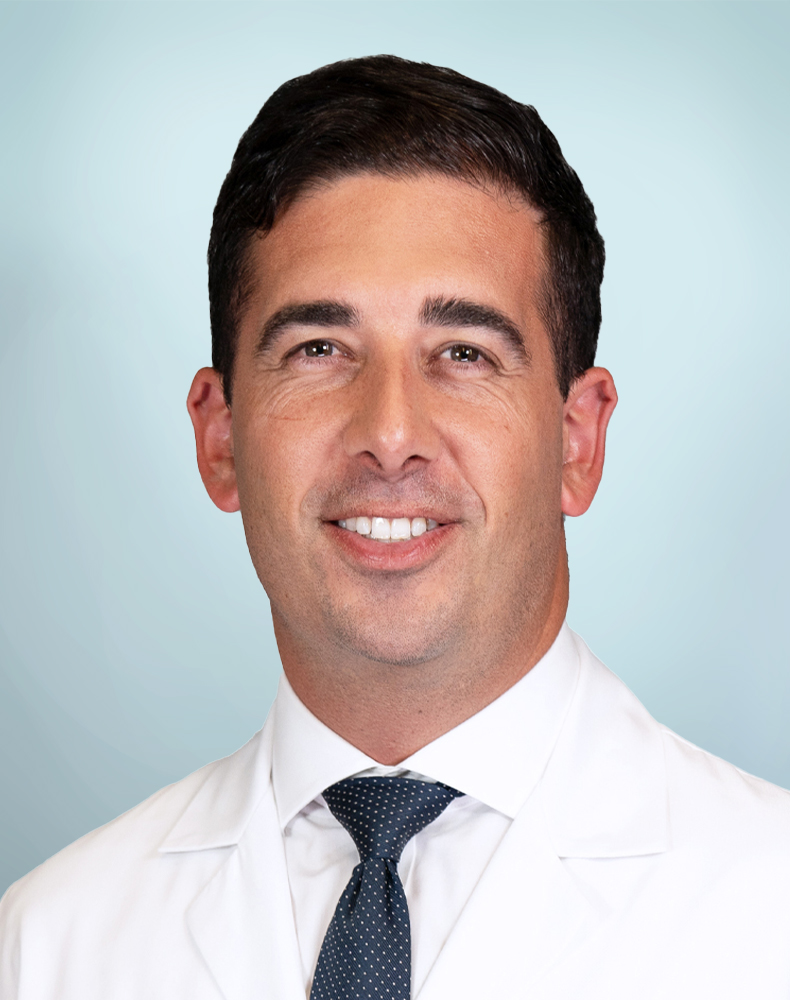 Matthew Salzberg, MD Hematology & Oncology
 -
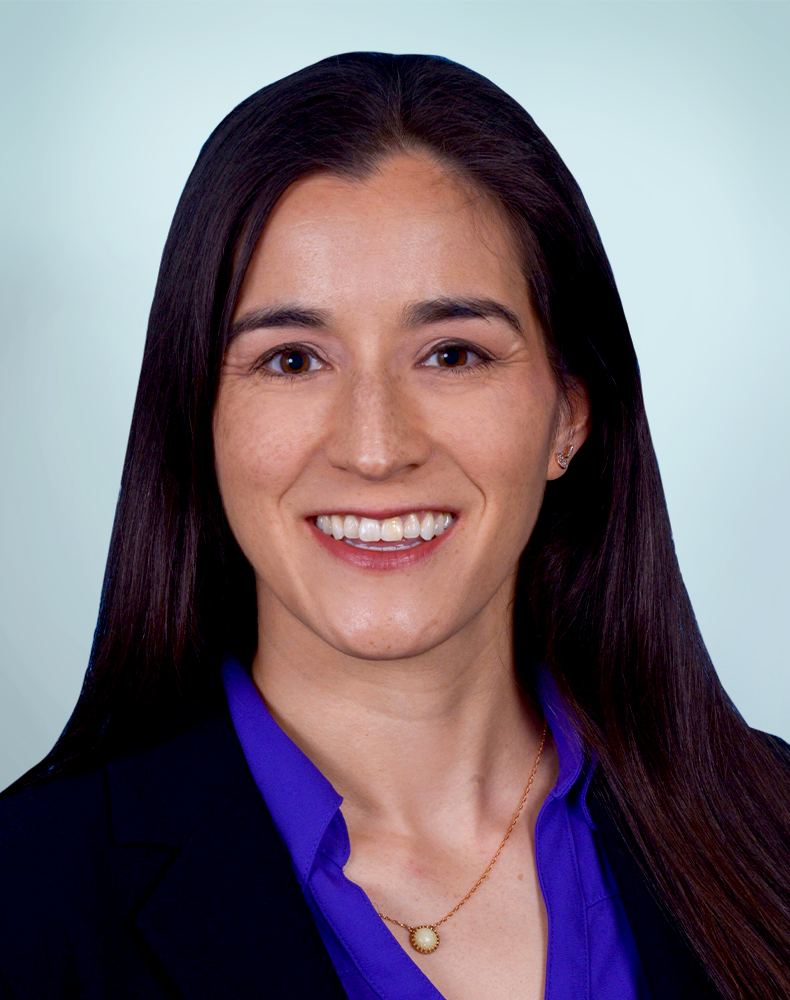 Tamara Smith, MD Radiation Oncology
 -
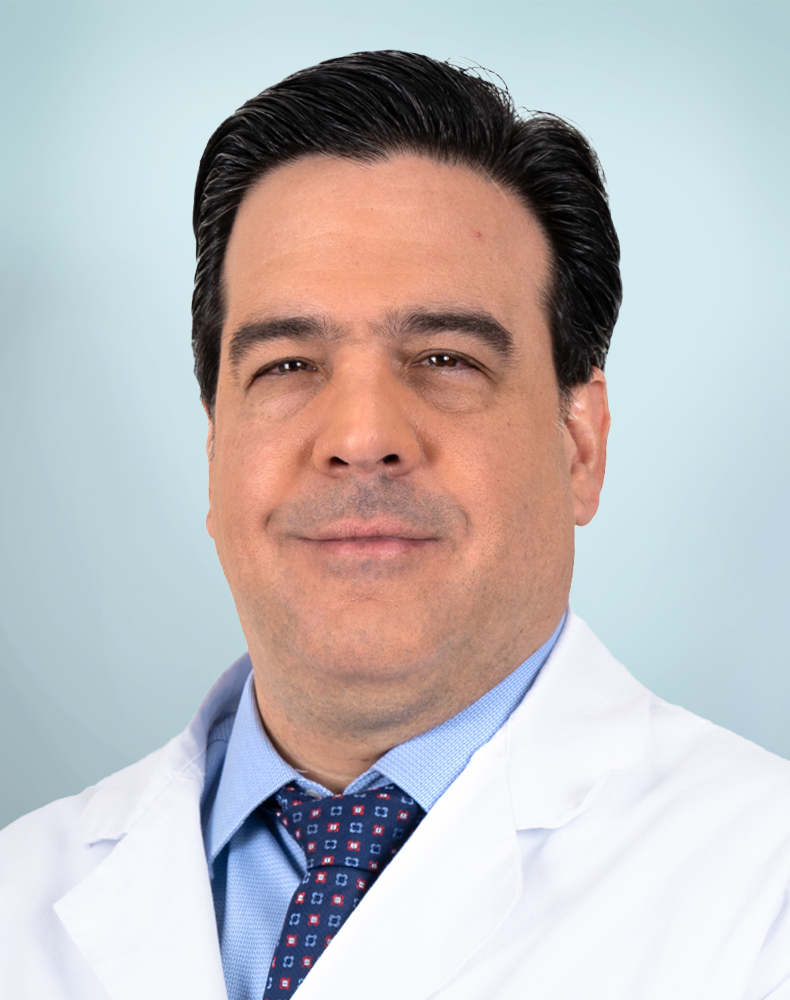 Francisco Tarrazzi, MD Thoracic Surgery
 -
 Frederick Wittlin, MD Hematology & Oncology
