
Colorectal Cancer is on the Rise in Young Adults: 6 Tips to Lower Your Risk
October 16, 2026
Key Takeaways
- Screening matters. Routine colorectal cancer screening can identify problems before they become cancer.
- Lifestyle choices can lower your risk. Eating a healthy, fiber-rich diet, exercising regularly and avoiding tobacco and alcohol may lower your risk for colorectal cancer.
- Know your family history. Your doctor may recommend earlier screenings if you have a close relative who has been diagnosed with colorectal cancer.

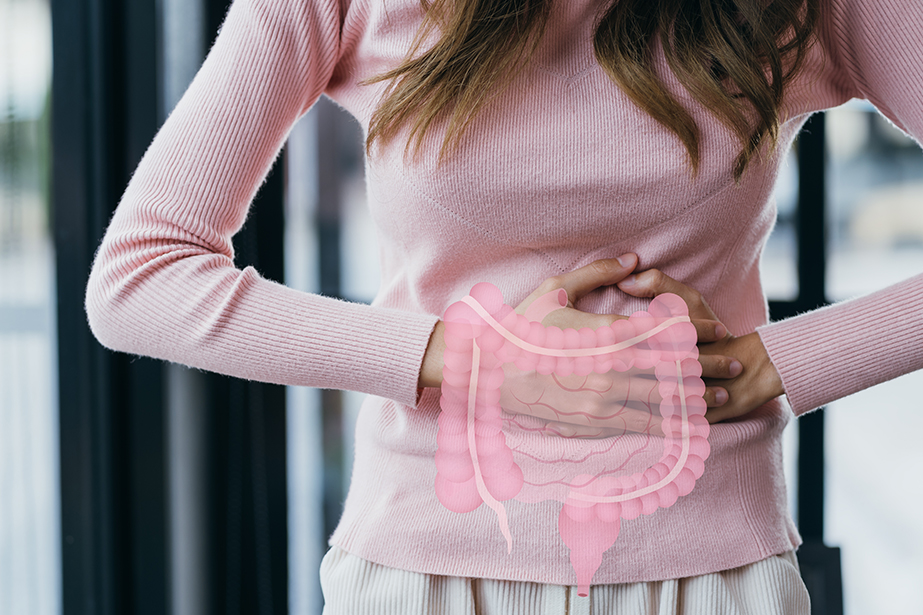
Colorectal cancer (includes both colon cancer and rectal cancer) is the third most common cancer diagnosed in the United States. Even more concerning is the rise among younger adults. According to the Cancer Research Institute, about 1 in 5 diagnoses occurs in people under the age of 55 each year, and it's now the leading cause of cancer death for men under age 50 and the second for women under 50. Fortunately, it’s possible to lower your risk for developing colon or rectal cancers with early detection and healthy habits.
Michael Dolberg, MD reassures patients that while it’s impossible to change some risk factors like age and genetics, small, consistent choices add up to make a meaningful difference in colorectal cancer prevention.
6 Tips for Colorectal Cancer Prevention
No prevention strategy can eliminate risk entirely, but there are several evidence-based ways to protect your health.
1. Follow Screening Recommendations
One of the best ways to prevent colorectal cancer is to follow recommended screening guidelines and have them done sooner if your doctor recommends it.
Most doctors recommend regular colorectal cancer screenings beginning at age 45. It’s important to follow recommendations closely because doctors can remove polyps, or abnormal growths, before they have a chance to become cancerous.
The “gold standard” colorectal cancer screening method is a colonoscopy. During this procedure, a gastroenterologist or colorectal surgeon inserts a thin, flexible tube with a camera into the rectum to examine the colon and rectum for abnormal tissue. In most cases, patients are sedated, and the procedure is painless.
If you're younger than 45 and have a close relative diagnosed with colorectal cancer, or if you experience symptoms that indicate a problem within the gastrointestinal tract, your doctor may recommend earlier screenings.
Symptoms that may warrant earlier screenings include:
- Abdominal pain
- Bloody stool
- Fatigue
- Unexplained weight loss
- Changes in bowel movements
2. Eat a Healthy Diet
Screening is an effective way to prevent colorectal cancer, but everyday habits matter, too.
Diets high in processed foods, sugar and red meats may raise the risk of colon and rectal cancer. To lower your risk, consume plenty of fruits and vegetables. Focus on fiber-rich foods and lean or plant-based proteins that are part of an anti-inflammatory diet.
Anti-inflammatory foods that may lower colorectal cancer risk include:
- Nutrient-dense fruits and vegetables like berries, apples, leafy greens and sweet potatoes
- Fiber-rich whole grains like oats, quinoa and brown rice
- Lean proteins like chicken, fish, legumes, beans, lentils and chickpeas
3. Exercise Regularly
When it comes to cancer prevention, every bit of movement counts. Research suggests regular exercise may protect against several types of cancers, including colon cancer.
Experts recommend most healthy adults aim for at least 150 minutes of moderate-intensity exercise or 75 minutes of vigorous-intensity exercise per week. If you're new to exercise, it’s okay to start with shorter periods of activity and work your way up in time and intensity.
Examples of moderate-intensity exercise:
- Brisk walking
- Dancing
- Household chores like mopping or raking leaves
Examples of vigorous-intensity exercise:
- Running
- Cycling
- Swimming laps
If you have underlying health issues or concerns, talk to your doctor before starting a new exercise program.
4. Maintain a Healthy Weight
Together, eating healthy and exercising regularly can help you maintain a healthy body mass index (BMI). While being overweight is a risk factor, maintaining a healthy BMI may help lower your risk for several types of cancers, including colorectal cancer.
Many people can maintain a healthy BMI through a healthy diet and regular exercise alone. However, your doctor can support you in your journey to a healthy weight and connect you with resources if you need help.
5. Avoid Smoking
Lifestyle habits extend beyond nutrition and exercise. Long-term smoking increases risks for many cancers, including colorectal cancer.
Quitting smoking isn't easy, but it's often the first step towards improved health. Your doctor may be able to connect you with resources available for support.
6. Limit Alcohol Use
The International Agency for Research on Cancer (IARC) classifies alcohol as a Group 1 carcinogen. This classification means that it may increase the risk of several types of cancer.
You can minimize the amount of alcohol you drink to decrease risks for colorectal cancer. If you choose to drink alcohol, U.S. dietary guidelines recommend no more than one drink per day for women and two drinks per day for men.
Taking Steps Toward Colorectal Cancer Prevention
While there's no way to eliminate colorectal cancer risk entirely, making healthy lifestyle choices and staying on top of recommended screenings are powerful ways to protect your health. Talk with your primary care provider or a specialist to see whether you’re due for screenings or if you have concerns.
Our multidisciplinary team can offer guidance on your screening recommendations and tips for colorectal cancer prevention. Learn more about colorectal cancer treatments and support at Memorial Healthcare System.



Related Providers
-

 Michael Dolberg, MD Colon and Rectal Surgery
 -
 Christopher Gannon, MD Surgical Oncology, Hepatobiliary
 -
 Gabriel Ologun, MD Surgical Oncology, Hepatobiliary
