
New Immunotherapy Provides Treatment Option for Lung Cancer Patients
December 10, 2025
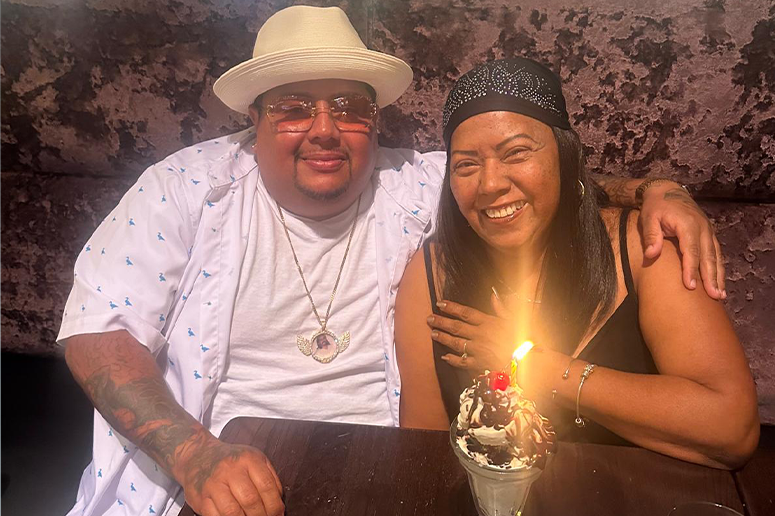
The pain in Yolanda Ortiz’s chest was relentless, but what was diagnosed after a PET scan at Memorial Hospital West may have been worse: stage four cancer that had spread from the lungs to her liver and bones.
In the nearly three years since the devastating news, Ortiz has bravely battled for her life but, until recently, had little to show for the effort. Her specific disease, extensive-stage small cell lung cancer, was progressing and mostly resistant to traditional chemotherapy. Other treatment options were limited, and hope was in short supply.
It’s been said it’s always darkest before the dawn, and that appropriately describes where Ortiz was before Memorial Cancer Institute doctors informed her that an immunotherapy drug called Tarlatamab had received FDA approval. A bispecific T-cell engager (BiTE), the treatment works by infusing an antibody that binds a specific protein on cancer cells and the body’s own immune system (its T-cells). By bringing cancer and T cells close together, they help the T-cells recognize and destroy the cancer.

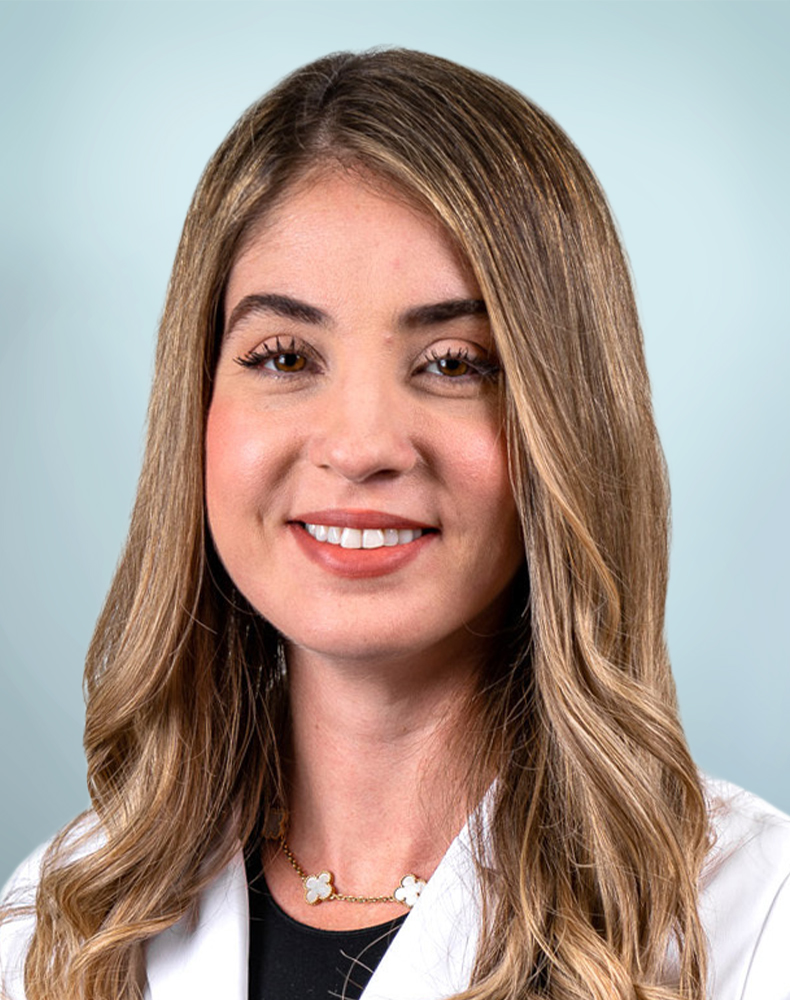
“This is the first immunotherapy of its type approved for small cell lung cancer, an aggressive, fast-growing cancer that’s usually caused by smoking,” said Gelenis Domingo, MD, a hematologist and oncologist at Memorial Cancer Institute. “It helps keep the disease at bay and, in the best-case scenario, the cancer becomes inactive.”
While there are side effects that can be connected to the treatment—notably fatigue, muscle pain, confusion, and, in some cases, a potentially serious immune system response called cytokine release syndrome—Dr. Domingo says Memorial is one of the few facilities to have the resources to manage any issues. While the infusion takes approximately an hour and is administered in repeated cycles, patients are required to remain at the cancer institute for several hours after the procedure to ensure there are no significant issues.

“We have one of the largest patient volumes in the state of Florida for Tarlatamab,” said Brian Pico, MD, medical director of the Solid Tumor Cellular Therapy program at Memorial Cancer Institute. “That’s a reflection of the extensive expertise we have in utilizing immunotherapy and cellular therapy as treatment options.”
Ortiz, a Davie-based grandmother, gets PET scans every three months and says the images show her cancer is stable. She’s had few symptoms since beginning this treatment, with fatigue being one of them, but says she’s learned to listen to her body. “When I’m tired, I rest, for however long I need to.”
Meanwhile, the immunotherapy has already enabled Ortiz to continue to drive and spend time with family in Connecticut, a nice bonus while she waits to see if her disease may go into remission.
Related Providers
-
 Carlos Carracedo Uribe, MD Hematology & Oncology
 -

 Shivani Dalal, MD Hematology & Oncology
 -
 Gelenis Domingo, MD Hematology & Oncology
 -
 Jesus C. Fabregas, MD, MPH Hematology & Oncology
 -
 Pablo Ferraro, MD Hematology & Oncology
 -
 Christopher Gannon, MD Surgical Oncology, Hepatobiliary
 -
 Alicia Gittleman, MD Radiation Oncology
 -
 Teresita Gonzalez, MD Hematology & Oncology
 -
 Daren Grosman, MD Hematology & Oncology
 -
 Brian Hunis, MD Hematology & Oncology
 -
 Atif Hussein, MD Hematology & Oncology
 -
 Manuel Martinez, MD Hematology & Oncology
 -
 Esther Ozeryansky, MD Breast Surgical Oncology
 -
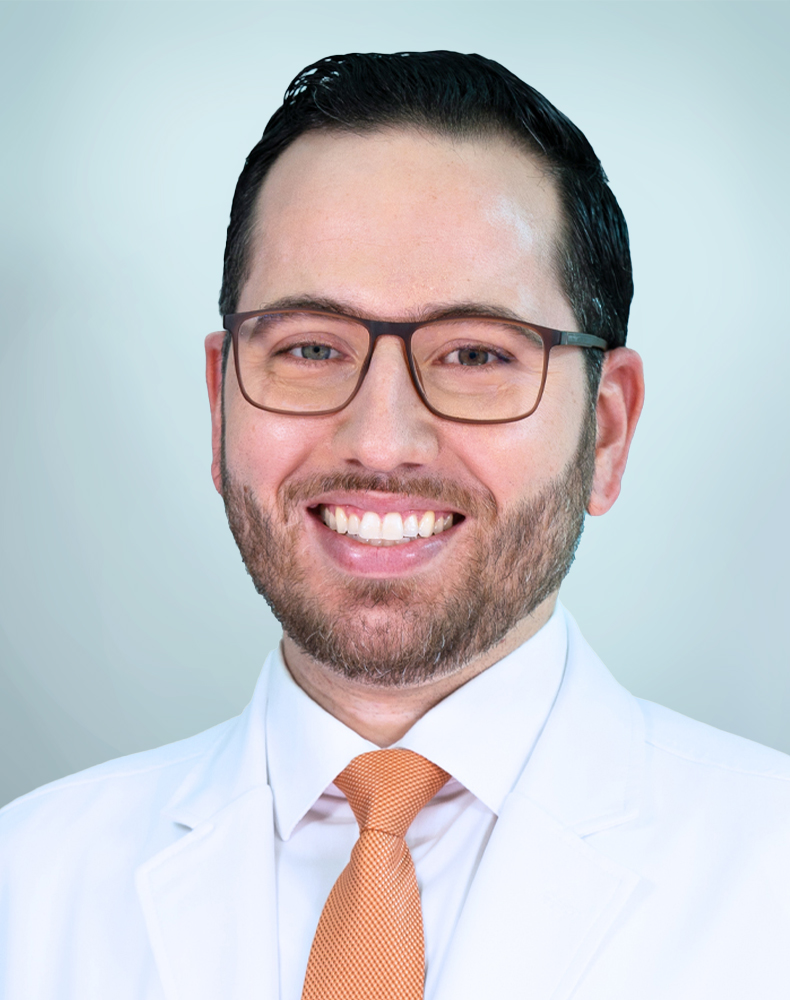 Brian Pico, MD Hematology & Oncology
 -
 Luis Raez, MD Hematology & Oncology
 -
 Daniel Rosas, MD Hematology & Oncology
 -
 Matthew Salzberg, MD Hematology & Oncology
 -
 Michel Vulfovich, MD Hematology & Oncology
 -
 Frederick Wittlin, MD Hematology & Oncology
 -
 Jennifer Zikria, MD Hematology & Oncology