
Freestanding ER vs. Hospital ER: When to Go and What to Expect?
June 16, 2026

What is a Freestanding Emergency Room?
A freestanding emergency room (freestanding ER) is an emergency care facility that’s not physically attached to a hospital. These ERs are open 24 hours a day, seven days a week (including holidays), and are staffed by emergency medicine physicians and nurses who provide treatment for children, adults, and seniors with serious and life-threatening illnesses and injuries.
Memorial is Expanding Emergency Care Closer to Your Home
Memorial Healthcare System is expanding access to emergency care with two new freestanding ERs opening in South Broward:
- Memorial Healthcare System Red Road ER in Miramar Now Open: Located on Miramar Parkway near Red Road, serves Miramar Lakes, Pembroke Pines, Miami Gardens, and surrounding neighborhoods.
- Memorial Healthcare System Douglas Road ER in Pembroke Pines Opening Soon: Serves Pembroke Pines, Miramar, Country Club Ranches, Silver Lakes, and surrounding neighborhoods.
Both locations bring emergency care closer to where you live and work, while keeping you connected to Memorial's network of hospitals, specialists, and follow-up care.
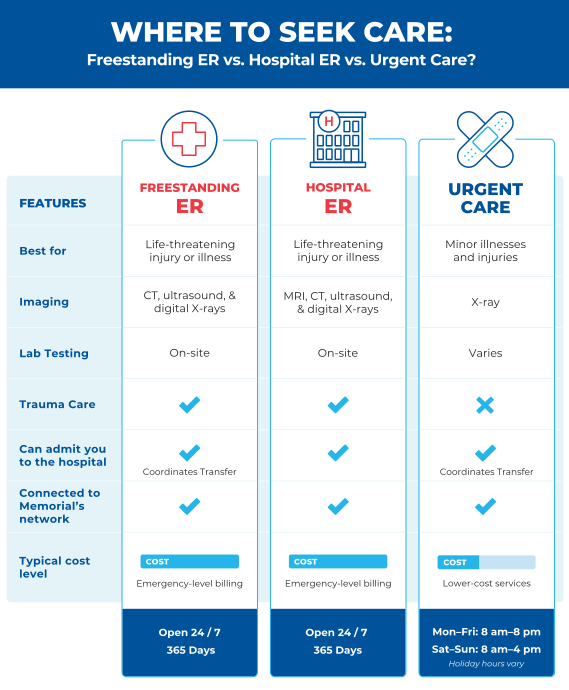
Freestanding ER vs. Hospital ER vs. Urgent Care: Which Is Right for You?
Choosing where to go depends on how serious your symptoms are and how quickly you need to be seen.
- A freestanding ER and a hospital ER both handle emergencies and serious conditions.
- Urgent care is built for minor, non-life-threatening issues. Here is how they compare:
For chest pain, stroke symptoms, severe injury, or any symptom that feels life-threatening, go to the nearest emergency room or call 911.
For sore throats, mild flu, simple sprains, or rashes, urgent care or your primary care provider is usually faster and less costly.
When Should You Visit a Freestanding ER?
Visit a freestanding ERs for serious symptoms that need immediate medical attention but may not always require hospitalization. Common reasons to visit include:
- Severe chest pain
- Stroke symptoms (i.e., facial drooping, arm weakness or numbness, slurred speech, vision changes)
- Difficulty breathing
- Asthma attacks
- Severe allergic reactions
- Severe abdominal pain
- Head injuries or concussions
- Broken bones or dislocations
- Deep cuts requiring stitches
- High fevers in infants or older adults
- Severe dehydration
- Severe infection
If you or someone with you is experiencing a life-threatening emergency, call 911.
What Services Does a Freestanding ER Provide?
Memorial's freestanding ERs provide hospital-level emergency care in a community setting. Services include:
- 24/7 emergency care for children, adults, and seniors
- Private treatment rooms
- IV fluids and medications
- On-site lab testing
- Advanced imaging, including CT scans, digital X-rays and ultrasound
- Trauma and resuscitation care for critical cases
- Hospital transfers and specialist coordination when a higher level of care is needed
After your visit, Memorial MyChart keeps you connected to your care team. You can view your after-visit summary, test results, care instructions, and recommended next steps.
What to Expect During Your Visit at a Freestanding ER?
When you arrive at a Memorial freestanding ER, you will be greeted at registration and triaged by a nurse who will assess your symptoms. The most urgent cases are seen first.
From there, an emergency physician will evaluate you, order any needed tests or imaging, and develop a treatment plan. Most patients are evaluated, treated, and discharged from the freestanding ER the same day.
What to bring:
- Photo ID
- Insurance card, if you have one
- A current list of medications and dosages
- A list of allergies
- Name and contact information for your primary care provider
You do not need an appointment and you do not need to bring these items to receive care. They simply help the care team move faster.
What If You Need Advanced or Specialized Care?
If your condition needs hospital admission or specialized care, the freestanding ER team coordinates a transfer to the most appropriate Memorial hospital, including ambulance transport when needed. The goal is to evaluate and stabilize you quickly, then connect you to the right level of care.
Emergency Care Regardless of Ability to Pay
Memorial Healthcare System provides emergency care to all patients regardless of their ability to pay. Freestanding ERs bill like traditional hospital-based emergency rooms, and most major insurance plans are accepted. If you are experiencing a medical emergency, do not let concerns about cost stop you from getting care.
View Participating Insurance Plans
When Should You Not Visit a Freestanding ER?
Not every medical issue requires emergency care.
For minor and less serious conditions (e.g., cold, flu, minor cuts and infections, small sprains, etc.) Memorial's urgent care centers, primary care locations, or virtual health care services may be more appropriate and less costly.

Freestanding ERs


Adult Emergency Room Locations


Pediatric Emergency Room Locations


