How to Wash Fruits and Vegetables to Reduce Your Risk of Cyclospora
July 24, 2026
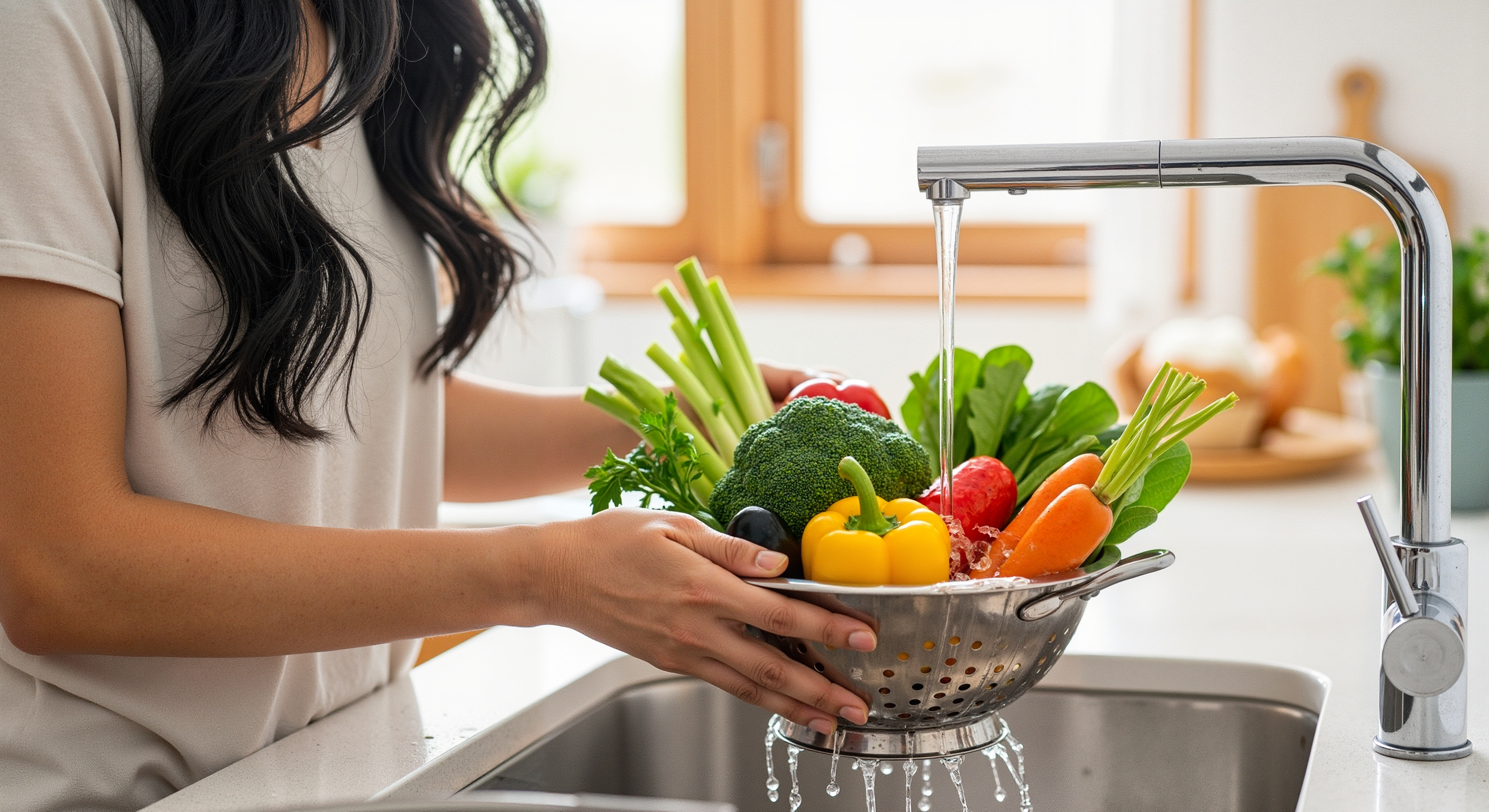
As South Florida sees an increase in cyclospora infections, Memorial Healthcare System food and safety experts explain how to safely enjoy fresh produce.
Washing fruits and vegetables under running water, practicing good hand hygiene and properly preparing produce can help reduce your risk of foodborne illnesses such as cyclospora.
While washing may not remove every parasite, it helps eliminate dirt, bacteria and contaminants that can make you sick.
According to Veronica Serrano, Director of Food and Nutrition at Memorial Hospital Pembroke, a few simple food safety habits can go a long way toward protecting you and your family.
What Is Cyclospora?
Cyclospora is a microscopic parasite that can contaminate fresh fruits and vegetables. People become infected after eating contaminated produce or drinking contaminated water.
Symptoms usually begin about one week after exposure and may include:
- Frequent watery diarrhea
- Stomach cramps
- Bloating
- Nausea
- Fatigue
- Loss of appetite
- Weight loss
If diarrhea lasts several days or you become dehydrated, contact your healthcare provider.
Why Is Cyclospora Making Headlines?
Cyclospora infections are often linked to contaminated fresh produce, making outbreaks more common during the warmer months when people are eating more fresh fruits and vegetables.
While most healthy people recover with appropriate treatment, the illness can cause prolonged diarrhea and dehydration, especially in people with weakened immune systems.
"Most cases of cyclospora are associated with contaminated food rather than person-to-person spread," says Rachel Guran, Director of Epidemiology and Infection Prevention for Memorial Healthcare System. "The best way to protect yourself is to practice good food safety habits, wash produce thoroughly, and seek medical care if you develop persistent diarrhea, especially if you've recently eaten fresh produce or traveled."
Guran says it's also important not to let concerns about cyclospora discourage people from eating fruits and vegetables.
"Fresh produce is an essential part of a healthy diet," she says. "Rather than avoiding it altogether, focus on preparing it safely. Washing produce properly, practicing good hand hygiene and following food safety recommendations can help reduce your risk while allowing you to continue enjoying the health benefits of fruits and vegetables."
How Should You Wash Fruits and Vegetables?
Proper cleaning starts before you even touch your produce.
Serrano recommends washing your hands thoroughly with soap and water for at least 20 seconds, making sure to scrub between your fingers and underneath your fingernails.
After your hands are clean, rinse produce under cool running water. Avoid using soap, bleach or household cleaners on fruits and vegetables, as these products are not intended for food and may leave harmful residues.
Does Every Type of Produce Need to Be Washed Differently?
Yes. Different fruits and vegetables require different cleaning methods.
Leafy Greens
For iceberg lettuce and other head lettuces:
- Remove and discard the outer leaves.
- Rinse each remaining leaf under running water or wash chopped lettuce in a colander.
- Dry with a clean towel or salad spinner before serving.
Berries
Berries deserve extra attention because their porous surface can trap dirt and microorganisms.
Rinse berries gently under cool running water immediately before eating them. Washing them too early can shorten their shelf life.
Thick-Skinned Produce
Melons, cucumbers, avocados and similar fruits and vegetables should be scrubbed with a clean produce brush under running water before cutting. This helps prevent germs on the outside from being transferred to the edible portion.
Should You Wash Prewashed Salad Mixes?
Yes. Even if a salad mix or packaged vegetables are labeled as prewashed, Serrano recommends giving them another rinse whenever possible.
"You don't always know how the produce was handled during processing," Serrano says.
Who Is Most at Risk for Serious Illness?
People with weakened immune system, including transplant recipients, cancer patients receiving treatment, older adults and others with compromised immunity.
For these individuals, Serrano recommends avoiding raw produce during periods of increased cyclospora activity whenever possible and choosing cooked fruits and vegetables instead. Proper cooking significantly reduces the risk of foodborne illness.
Can Washing Produce Prevent Cyclospora?
Washing fruits and vegetables is one of the most important food safety steps you can take. Although washing alone may not eliminate every cyclospora parasite, it can remove dirt, bacteria and other contaminants while reducing your overall risk of foodborne illness.
The best protection comes from combining several safe food practices:
- Wash your hands before preparing food.
- Rinse produce under running water.
- Remove damaged or bruised portions.
- Keep raw produce separate from raw meat, poultry and seafood.
- Refrigerate perishable foods promptly.
- Cook foods thoroughly when appropriate.
If diarrhea lasts several days or you become dehydrated, contact your healthcare provider or visit one of our Urgent Care Centers.