
When Back Pain Won’t Go Away: Nonsurgical and Interventional Spine Care Helps You Heal Without Surgery
February 17, 2026
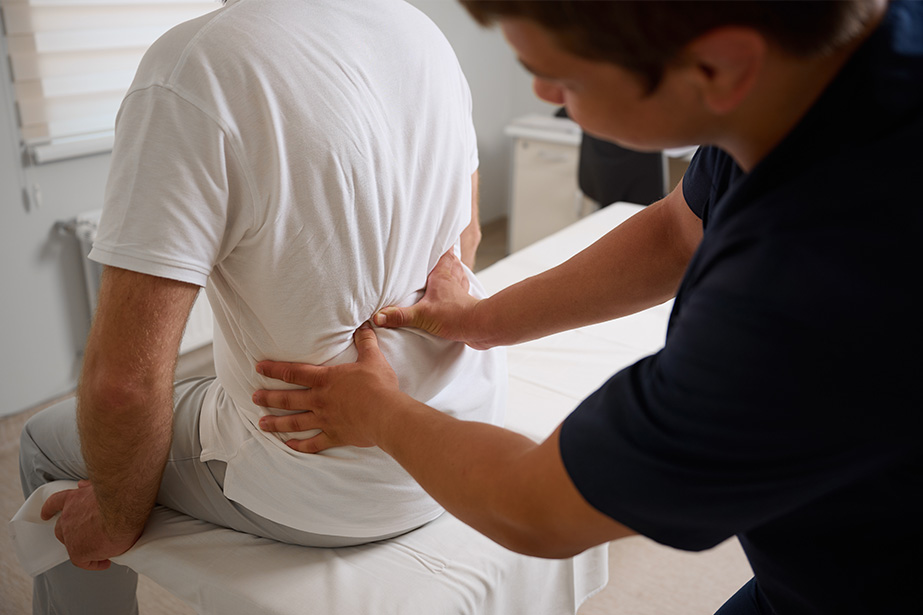
Back pain takes many forms. It may be a dull ache, muscle spasms, or sharp, shooting pain that stops you in your tracks. If your pain lasts a long time or affects your daily life, you may wonder what treatment options are best for you.
In the majority of back pain conditions, conservative treatments are the best option and can help you avoid spine surgery.
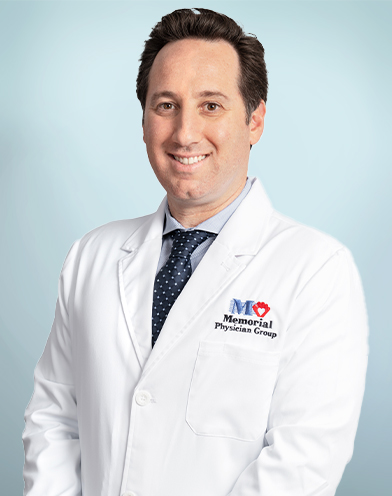
“Non-surgical treatments often provide effective relief, even for people who have had back pain for years,” says Jackson Cohen, MD, chief of Physical Medicine & Rehabilitation and medical director of the Interventional Pain Medicine at Memorial Healthcare System. “The key is working with a back pain specialist who understands what’s causing your pain and can guide you to the right treatments.”
Non-Surgical Spine Treatments
Millions of people seek care for spine-related problems each year, and no two are exactly alike. Because back pain has many causes, there’s no single treatment that works for everyone. Finding relief often involves trying different strategies and adjusting along the way.
Dr. Cohen, who specializes in interventional pain and spine care, discusses seven non-surgical spine treatments that can help reduce back pain and improve function.
7 Ways to Relieve Back Pain Without Surgery
Physical therapy is often one of the first-line treatments doctors recommend. It helps strengthen muscles and improve flexibility, which can reduce back pain and stiffness over time. Good core strength and spine stability are key to long-term results.
Physical therapists create a personalized exercise plan based on your condition, symptoms, and abilities. You do these exercises during in-person sessions and at home. You also learn how to sit, stand, and lift to help prevent further injury.
Spine injections can be used for both diagnostic and therapeutic benefits. They can reduce inflammation where the pain is coming from in addition to helping break the pain cycle. These injections can allow the body to naturally heal by providing a healthy environment for the affected area to try to repair itself.
“Injections can also support longer-term improvement by helping you participate in physical therapy with less pain and be more active overall,” says Dr. Cohen.
Medications may be injected near irritated nerves, joints, or wherever the pain is coming from around the spine, safely and effectively. Other injections outside of the spine can target trigger points in muscles of the neck and back, releasing painful knots.
Medications often play an important role in managing back pain. Depending on your symptoms, your doctor may suggest medications that reduce inflammation, relax muscles, or calm nerve pain.
“The best approach is to stick with non-opioid medicines for back pain. Long-term opioid use for chronic back pain has the potential to cause serious side effects without providing significant pain relief or improved function. Therefore, we always try to optimize the use of anti-inflammatories, muscle relaxants, nerve pain medications, and other non-opioid medications for chronic pain,” says Dr. Cohen. “Medications also work best when used with other treatments, such as physical therapy and lifestyle changes.”
Compression-type braces may help reduce strain temporarily and provide stability and support when doing strenuous activities. However, long-term use of bulky neck and back braces is not recommended, as it can weaken the supporting muscles of the neck and back over time.
Instead of relying on braces, strengthening your own muscles to support your spine and improve your posture will provide better long-term results. Because there are many types of braces, it’s important to talk to your doctor or physical therapist before choosing one.
Cold and heat can both help relieve back pain:
- Cold therapy helps reduce inflammation and pain. It may be most helpful right after an injury or during pain flare-ups.
- Heat therapy improves circulation and relaxes tight muscles. It’s often helpful for long-term back pain and muscle stiffness.
Some people prefer cold or heat, depending on their symptoms. To see what works for you, try both or alternate between the two.
Integrative therapies can provide additional pain relief when used alongside other treatments. Options include acupuncture, massage therapy, mindfulness practices, tai chi, and yoga.
These treatments are safe for most people and can be effective for some. They can also help reduce stress, improve sleep, and support your emotional well-being, which can affect how you feel pain.
Back pain can interfere with daily life. Making lifestyle changes can help protect your spine and improve symptoms. These changes may include:
- Adjusting how you do certain tasks
- Avoiding repetitive movements
- Correcting poor posture
- Finding safe ways to stay active
“Change isn’t always easy and takes time,” says Dr. Cohen. “But finding activities you enjoy and can do comfortably can make a difference in your quality of life.”
Finding a Back Pain Specialist
Physical medicine and rehabilitation (PM&R) doctors, also called physiatrists, specialize in helping people improve their function and quality of life after an injury or illness. PM&R interventional pain and spine doctors are experts in diagnosing the source of back pain to create an individualized treatment plan that focuses on non-surgical and interventional options.
Minimally invasive procedures may be offered when conservative therapies aren’t enough. These procedures include:
- Radiofrequency ablation: Uses heat to block pain signals from specific nerves for longer-lasting relief than injections.
- Spinal cord stimulation: Delivers electrical pulses to the spinal cord to block pain like a “pacemaker for chronic pain.”
- Minimally invasive lumbar decompression: Reduces pressure on spinal nerves in the lower back caused by spinal stenosis.
“We take a multifaceted approach to back pain,” says Dr. Cohen. “If one treatment doesn’t help, we look at other options to help you find meaningful relief.”
Learn more about non-surgical spine care or request an appointment at Memorial Neuroscience Institute Spine Center.
Related Providers
-
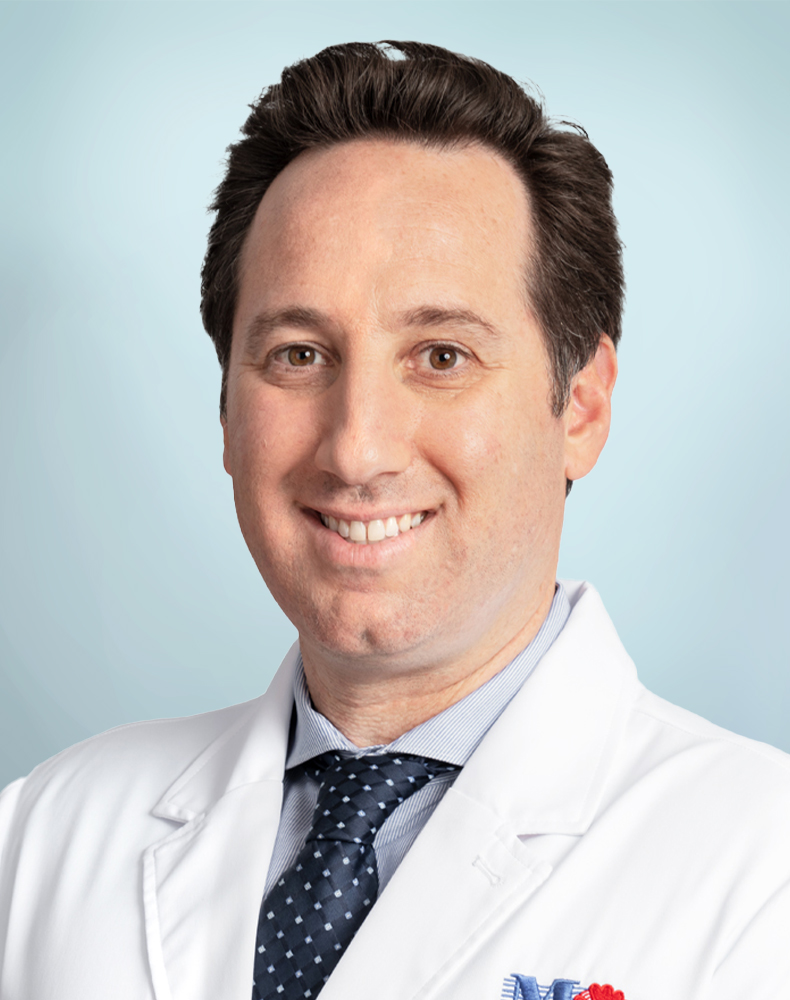

 Jackson Cohen, MD Physical Medicine and Rehabilitation, Interventional Pain Medicine
 -
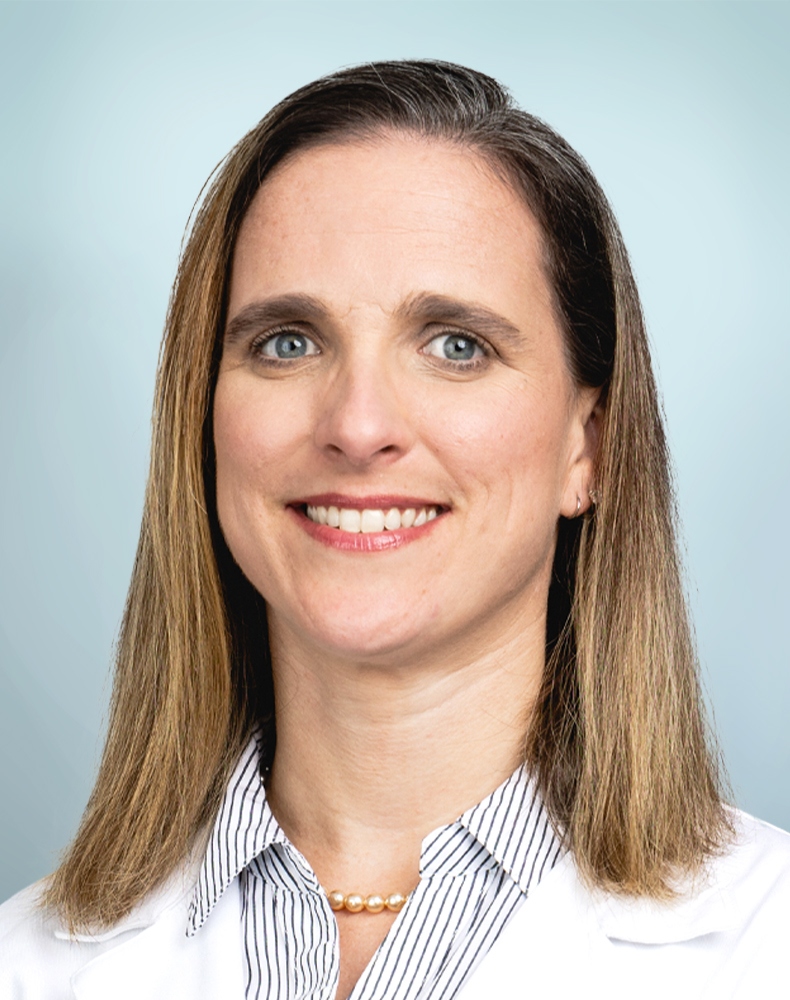 Sarah Pastoriza, DO Physical Medicine and Rehabilitation, Interventional Pain Medicine
 -
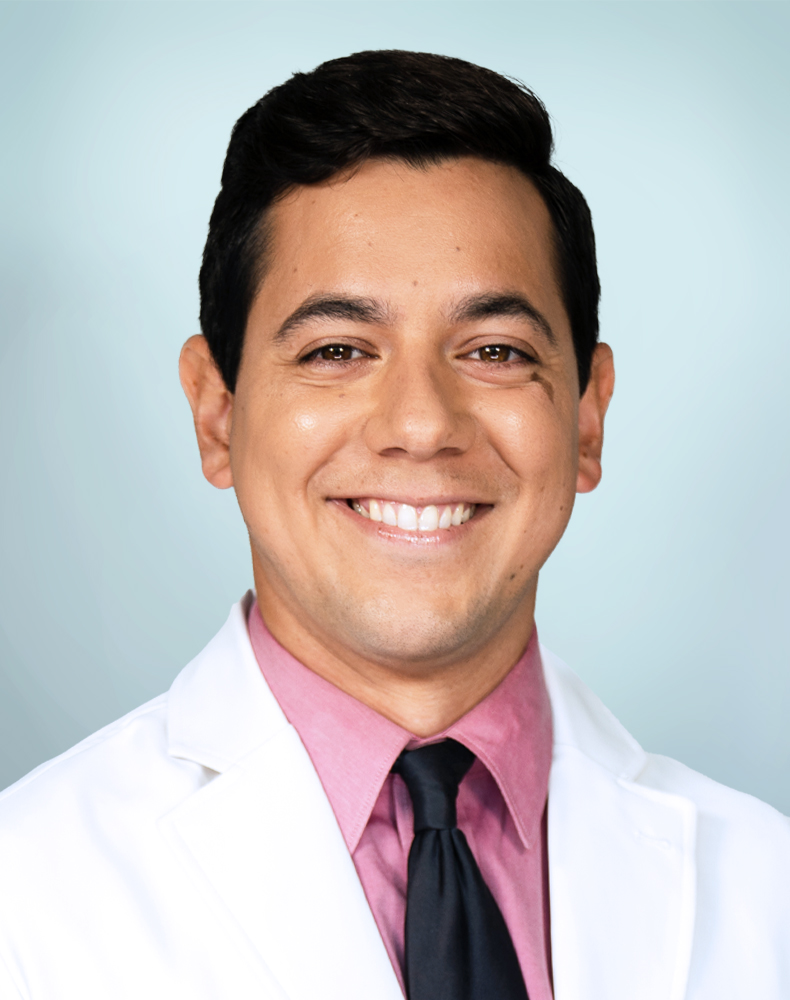 David Valdes, MD Physical Medicine and Rehabilitation
 -
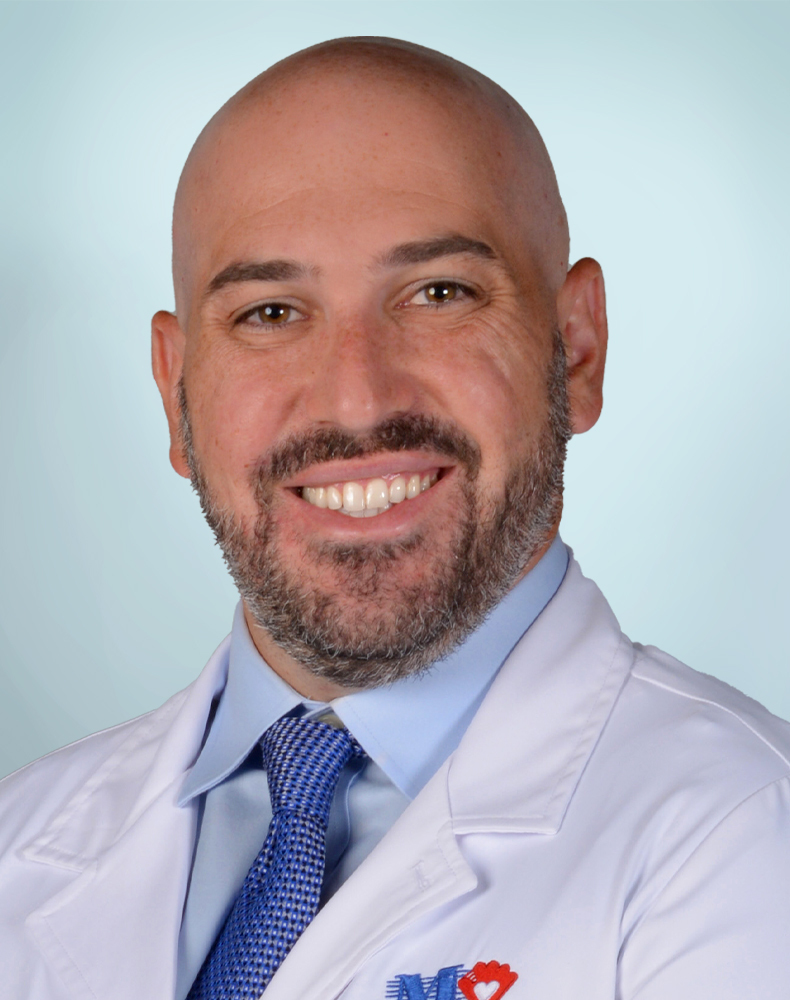 Reed Yaras, DO Physical Medicine and Rehabilitation, Interventional Pain Medicine


