
Are Weight Loss Injectables Safe?
January 07, 2026
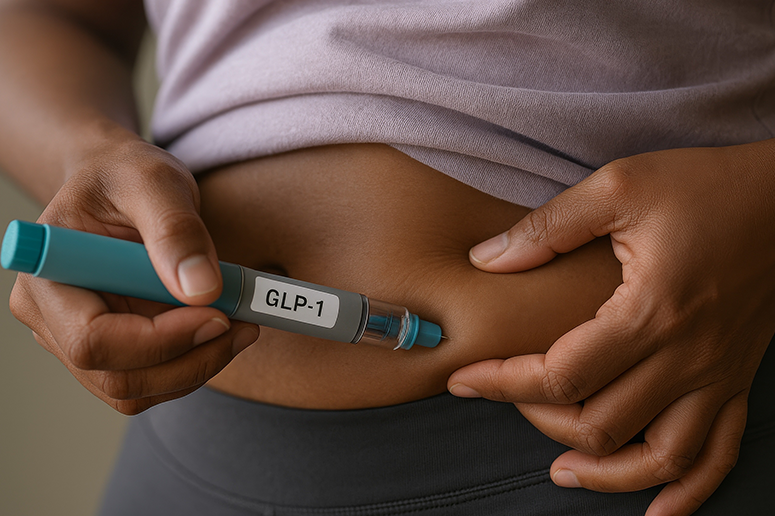
Weight-loss injectables, like Wegovy and Zepbound, can be safe and effective for the right patients, but they are not magic shots, and they do have risks, just like bariatric surgery and other traditional weight-loss methods. The safest choice depends on your health, your weight-loss goals, and how ready you are to make long-term lifestyle changes.
What are weight loss injectables?
Weight-loss injectables are prescription medicines taken as a small shot under the skin, usually once a week. Many of these drugs copy natural gut hormones called GLP-1 (and sometimes GIP) that help slow digestion, reduce appetite, and signal fullness to your brain.
- Older weight-loss pills mostly worked on the brain to curb appetite, while these newer injectables work more through the gut and hormone pathways.
- Mounjaro and Zepbound are examples of “dual agonists,” meaning they act on two hormone receptors, which can make them more powerful for weight loss.
Some injectables were first approved to treat type 2 diabetes (e.g., Ozempic and Mounjaro) and are now also approved, or used off-label, to manage obesity.
How well do weight loss injectables work?
People taking GLP–1–type medications can lose around 10% to 20% of their body weight in clinical trials when combined with diet and exercise. However, many patients regain some of that weight within months of stopping the medication, often ending up with about a 5% to 11% total weight loss over time.
Many patients need to stay on these drugs long term to keep the weight off, and doses usually increase slowly over several weeks to reach a maintenance level.
Real-world studies show that people often lose less than in clinical trials, and many stop taking the drugs within a year because of side effects, cost, or other issues.
Because of this, doctors stress that injectables should be part of an overall plan that includes healthy eating, physical activity, and regular follow-up visits.
Side Effects and Safety of Weight Loss Injectables
Most people notice stomach-related side effects when they first start these medicines. Common side effects include cramping, bloating, diarrhea, constipation, nausea, abdominal pain, dizziness, fatigue, and sometimes a fast heartbeat.
- Long-term risks: Pancreatitis, gallbladder problems, kidney issues, and serious digestive (GI) complications, so regular monitoring is important.
- Drugs are not right for everyone: People with certain hormone-related cancers, severe digestive diseases, or a history of pancreatitis should consult their doctor before taking.
Important note: It is also risky to buy weight-loss injections online, from outside the United States, or from a compounding pharmacy because these products may be fake, diluted, contain harmful ingredients, and are not regulated by the FDA .
How does bariatric surgery compare to weight loss injectables?
Bariatric (weight-loss) surgery permanently changes how your digestive system works so you can eat less and absorb fewer calories. Common procedures include sleeve gastrectomy, where about 75% of the stomach is removed, and gastric bypass, where the stomach is made smaller and food is rerouted past part of the intestines. View additional bariatric surgery options.
- On average, people who have bariatric surgery maintain roughly 25% to nearly 30% weight loss even 10 years after surgery, which is more than most patients achieve with medications alone.
- Large studies show surgery tends to lead to much greater and more durable weight loss than GLP-1 medications over several years.
Most people qualify for surgery if their body mass index (BMI) is 35 or higher, or 30 or higher with serious weight-related health conditions like type 2 diabetes or sleep apnea.
Pros and Cons: Weight-Loss Surgery vs. Injectables
Both approaches have benefits and downsides, and neither is a quick fix.
Benefits of Injectables
- Non-surgical: No incisions or hospital stay, which can feel less scary for many patients.
- Flexible: You can usually stop the medicine if side effects are too strong or if your goals change, under your doctor’s guidance.
- Helpful for earlier intervention: May be a good option if your BMI is lower or you are not yet ready or eligible for surgery.
Downsides of Injectables
- Ongoing cost: Brand-name injectables can cost around $900–$1,300 per month without insurance, and there are no generic versions yet.
- Long-term commitment: Many people need to stay on them for life to keep the weight off, and doses often need to be increased over time.
- Side effects: GI side effects are common, and serious complications, though less common, can occur.
Benefits of Bariatric Surgery
- Greater, longer-lasting weight loss: On average, patients keep off a much larger percentage of their starting weight many years after surgery compared to medication alone.
- Health improvements: Surgery can improve or even put into remission conditions like type 2 diabetes, high blood pressure, sleep apnea, and high cholesterol.
Downsides of Bariatric Surgery
- Permanent changes: Surgery cannot be undone easily; it permanently reshapes your digestive system.
- Surgical risks: Complications can include acid reflux, gallstones, hernias, low blood sugar, ulcers, diarrhea, nausea, and vomiting.
- Recovery and follow-up: You will need time to heal, regular check-ups, vitamins, and lifelong lifestyle changes.
Who is a good candidate for each?
There is a common myth that injectables work for everyone, but the best candidates are people who are ready to change their daily habits, which means:
- committing to a healthier eating plan,
- regular exercise,
- follow-up visits,
- and often support groups or coaching.
The same is true for bariatric surgery. Surgery is usually a “last resort,” but it can be the best option for people with severe obesity who have not had lasting success with diet, exercise, and medications.
Your care team will also look at your medical history, BMI, other conditions, medications you take, and your personal goals before recommending injectables, surgery, both, or neither.
At Memorial Healthcare System, specialists often advise trying lifestyle changes and, when appropriate, medications before moving to surgery, while still evaluating every patient individually so no one feels like they are out of options.
When should you talk to a specialist?
Carrying extra weight for many years raises the risk of heart disease, stroke, type 2 diabetes, certain cancers, joint pain, and sleep apnea. Doctors usually consider medical treatments when your BMI reaches the obesity range (30 or higher), especially if you also have other health problems.
If you have tried to lose weight on your own and feel stuck, a weight-management specialist can help you review all your options, including nutrition, activity, injectables, and surgery. These experts become your partners in weight loss, helping you set realistic expectations and choose a plan that is safe and sustainable for you.
If you are wondering whether weight-loss injectables, bariatric surgery, or another approach is right for you, consider scheduling a consultation with a weight-loss specialist to talk through your medical history, goals, and next best steps.
Contact us today to take the first step on your weight loss journey.
954-276-1400 Request a consultation


Related Providers
-


 Brett Cohen, MD Bariatric Surgery, General Surgery
 -
 Jeremy Gallego Eckstein, MD Bariatric Surgery, General Surgery
 -
 Joseph Melendez-Davidson, MD Bariatric Surgery, General Surgery
 -
 Luis Santana Lopez, MD Obesity Medicine
