
Non-Surgical Weight Loss
We offer weight-loss medications and support to help you lose weight and live healthier.
Our Approach to Non-Surgical Weight Loss
Weight loss isn’t just about the numbers on the scale. It’s a proven way to prevent and even reverse chronic diseases such as high blood pressure, diabetes and heart disease.
Despite the many benefits of losing weight, doing it with diet and exercise alone rarely works. It’s easy to become discouraged. That’s where Memorial Healthcare System’s Comprehensive Weight-Loss Management Program comes in.
We offer a full-spectrum approach to non-surgical weight loss that includes:
- Thorough evaluation: We review your medical history to identify underlying health concerns and ensure weight-loss medications are right for you.
- Weight-loss medications: We prescribe FDA-approved medications, including GLP-1s and other weight-loss drugs.
- Nutrition counseling: We help you develop healthy food habits and ensure you’re getting the nutrients you need.
- Fitness guidance: We provide an exercise plan based on your ability and goals to enhance your weight loss.
- Behavioral therapy: We work with you to address issues that could be a barrier to weight loss, such as stress, anxiety, depression and poor sleep.
- Peer support: We offer support groups that connect you to others facing similar challenges.
- Physician supervision: We see you on an ongoing basis to monitor your progress, troubleshoot any problems and provide encouragement and support.
Contact us today to take the first step on your weight loss journey.
954-276-1400 Request a consultationWeight-Loss Medications
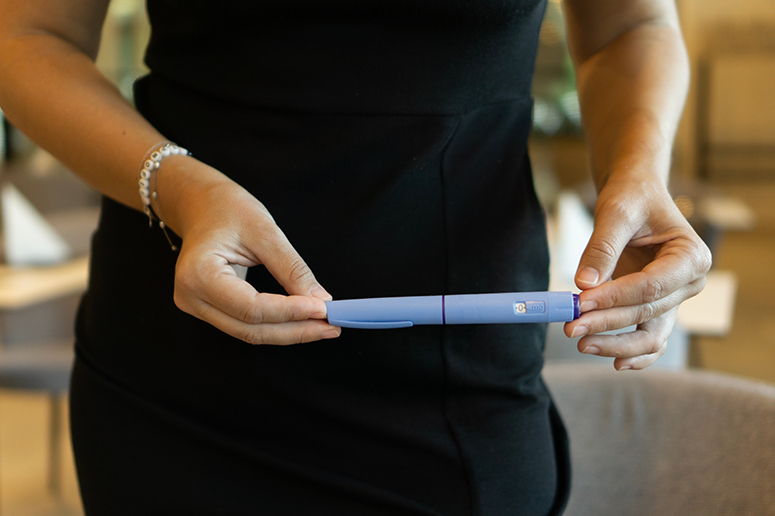
Medications are a key part of our program. We prescribe a wide range of medications to support your weight-loss goals, including today’s latest options.
Glucagon-like peptide-1 receptor agonists (GLP-1 agonists) are the latest weight-loss drugs. Originally developed to treat Type 2 diabetes, GLP-1s also decrease appetite, slow digestion and make you feel fuller after eating. Many people say they also help reduce constant thoughts of food, or “food noise.”
There are several types of GLP-1 medications. Each has a different brand name depending on the approved use. Some examples include:
- Liraglutide, including Saxenda for weight loss and Victoza for Type 2 diabetes
- Semaglutide, including Wegovy for weight loss and Ozempic for Type 2 diabetes
- Tirzepatide, including Zepbound for weight loss and Mounjaro for Type 2 diabetes
GLP-1s can cause side effects, such as nausea, vomiting, diarrhea and constipation. We offer strategies to reduce side effects, such as starting with a lower dose. Eating smaller meals, staying hydrated and getting more fiber in your diet can also help. Learn more about what to eat while taking GLP-1s.
If you find you can’t tolerate a particular GLP-1, we may recommend trying another type. Our team is by your side to help you find a medication that works for you.
If GLP-1s aren’t right for you, we may prescribe other medications such as:
- Metformin: Decreases appetite and helps you feel full longer
- Orlistat (Xenical, Alli): Blocks the breakdown of fats so they pass from your body undigested
- Naltrexone-bupropion (Contrave): Decreases appetite
- Phentermine (Adipex, Lomaira, Suprenza): Decreases appetite
- Phentermine-topiramate (Qsymia): Decreases appetite and helps you feel full longer
Who Is Eligible for Non-Surgical Weight Loss?

In general, we offer non-surgical weight loss for people with a:
- BMI of 30 or more
- BMI of 27 or more and a weight-related condition, such as diabetes, sleep apnea, fatty liver disease, high blood pressure or heart disease
We also combine non-surgical weight loss with bariatric surgery, including:
- Before surgery to help you lose some weight right away
- After surgery to help you reach your weight-loss goal
How Much Weight Will I Lose?
Weight loss varies from person to person and the medication type. The average weight loss typically varies from about 5% to 23% of a person’s body weight, but not everyone loses weight with medications.
We also recommend ongoing treatment, since most people regain some of the lost weight if they discontinue the medications. For longer-term success, bariatric surgery may be a more effective option. Read more about weight loss drugs vs. bariatric surgery.

Are Weight Loss Injectables Safe?
We’ve all seen the headlines about Ozempic and Wegovy getting all the credit for fast weight loss. But are these medications really effective, and do they work long term?
Why Choose Memorial Healthcare System for Non-Surgical Weight Loss?
-

Advanced expertise
Our obesity medicine physicians have extensive knowledge of the latest medications and experience helping all types of people lose weight.
-

Customized treatment
We develop a weight-loss plan for you based on your medical needs, weight-loss history and personal preferences.
-

Integrated care
You have access to services that support your success, including nutritional counseling, fitness guidance and behavioral health therapy.
-

Insurance navigation
Our team helps determine your insurance coverage, submits authorization requirements and estimates your potential out-of-pocket expenses.
Contact us today to take the first step on your weight loss journey.
954-276-1400 Request a consultationRelated Providers
-


 Luis Santana Lopez, MD Obesity Medicine


