
Jauvana’s Brain Aneurysm Journey: How Her Coworkers Helped Save Her Life
May 01, 2026
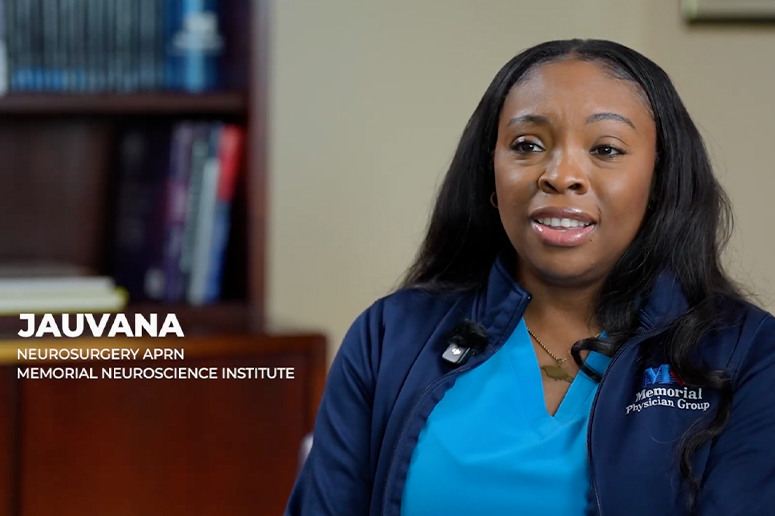
Jauvana Hall, APRN, a neurosurgery nurse at Memorial Neuroscience Institute, has cared for and supported patients and families through some of the scariest moments of their lives. She knows the warning signs, understands the urgency, and she trusts her instincts.
So, when an intense headache hit her suddenly while she was at work, coupled with a blood pressure reading of 200 over 100, she knew—the way only a neurosurgery nurse would know—that this was different. That phrase, ‘the worst headache of your life,’ is one that neuroscience providers use to describe a hallmark warning sign of a brain aneurysm. Jauvana had said those words to patients. Now she was living it.
I had just stepped off the elevator to go to my office, and I couldn’t make it. It was the worst headache of my life. I don’t usually have headaches, so I knew something was wrong.
What happened next moved fast. The team around Jauvana sprang into action. Tests were run. Images were taken. The results confirmed their fears: Jauvana had a large brain aneurysm, which is a weakened, bulging spot on the wall of a blood vessel in the brain. Over time, the aneurysm can grow, and like an overinflated balloon, it can burst and release blood into the brain. If an aneurysm bursts, it leads to a hemorrhagic stroke.

“The good news was that it hadn’t ruptured,” said Brandon Davis, MD, PhD, neurosurgeon and endovascular surgeon at Memorial Neuroscience Institute. “When it ruptures, it is a life-threatening emergency.”
The fact that Jauvana was already inside a hospital and surrounded by neurosurgery specialists, who knew exactly what to do, made all the difference.
It was very lucky that we found the aneurysm before it became a major problem.
Her care team at Memorial Neuroscience Institute moved quickly to treat the aneurysm. For Jauvana, the clinical world she had devoted her career to was no longer something she observed from the outside. She was the patient now.

Norman Ajiboye, MD, a neurointerventionalist and vice chief of Memorial Neuroscience Institute, led the team that treated her.
“Jauvana was treated with an endovascular stent-assisted coiling technique, which is a minimally invasive procedure where we used catheters and wires to navigate through the blood vessel like a highway to get to the brain. Once we located the aneurysm, images were taken to determine if a stent or coils should be used to completely seal the aneurysm.
She had worked alongside these providers for years, including participating in a medical mission trip to her home country of Jamaica, where she, along with Drs. Davis and Ajiboye educated healthcare providers about how to care for patients recovering from a stroke. Now that her life was in their hands, she and her family trusted that she was in the best place.
Today, Jauvana has recovered and is back to work caring for patients. She is having the conversations she has always had about warning signs, how to act fast, and the importance of not ignoring what your body is telling you. But now, she speaks from a different place.
"Listen to your body," she says. "Seek help when something feels wrong."
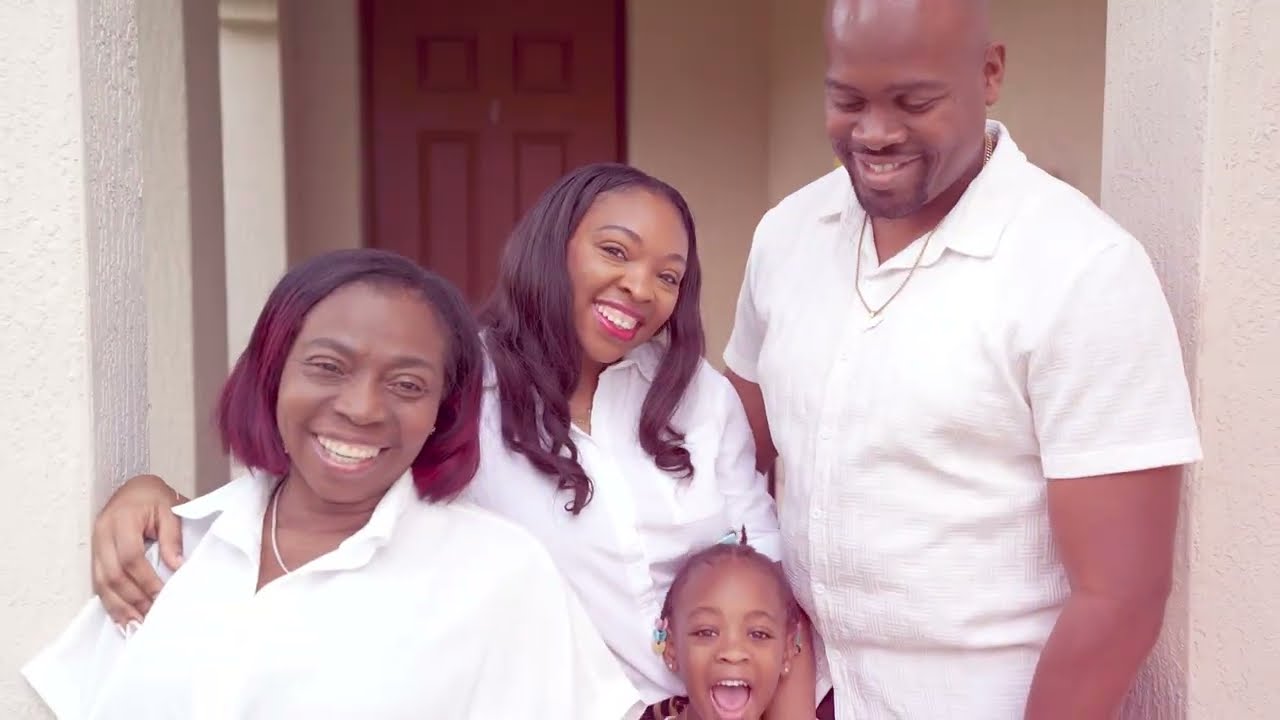
From Neurosurgery Provider to Patient: Jauvana’s Story


Related Providers
-
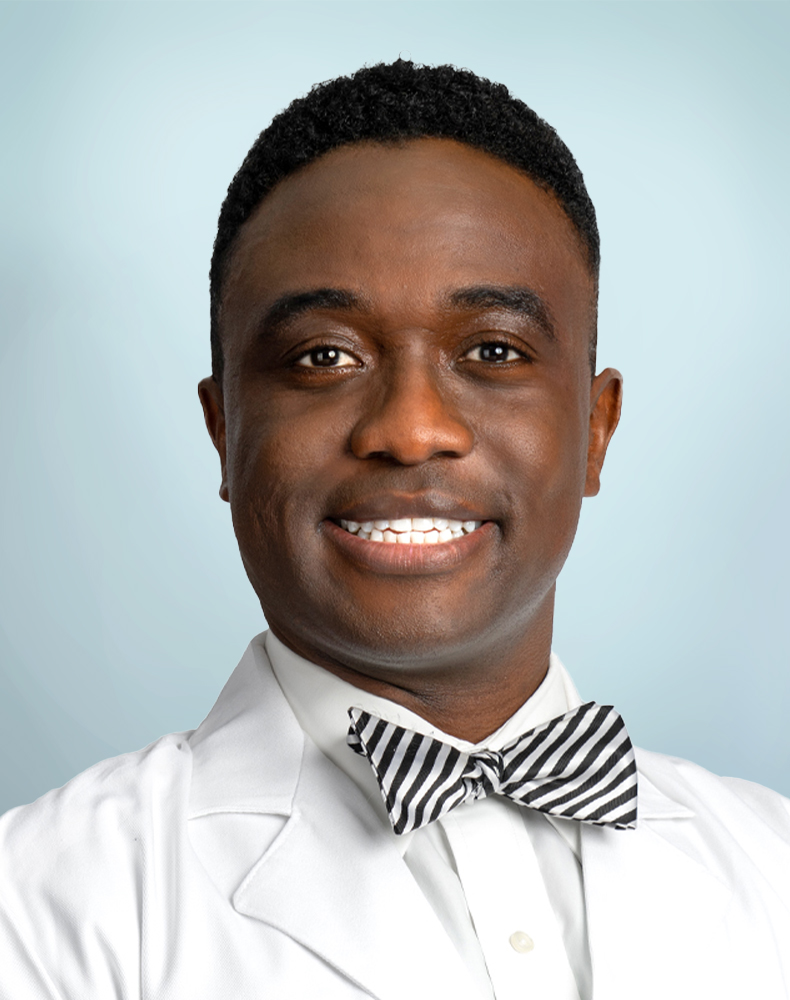

 Norman Ajiboye, MD Neuro-Interventional, Vascular Interventional Neurology
 -
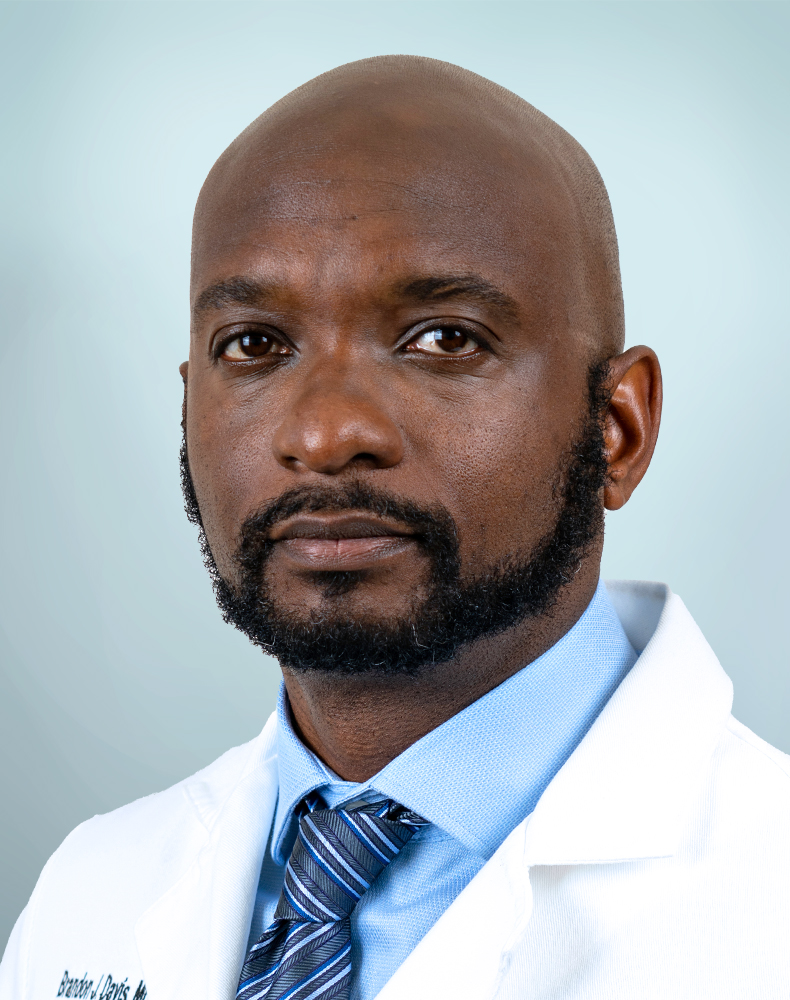 Brandon Davis, MD, PHD Neurosurgery, Neuro-Interventional