What New and Expectant Fathers Need to Know
June 21, 2026
Key Takeaways
- Many expectant dads feel nervous, and that's completely normal.
- Learning basic newborn care (like diapering and safe sleep practices) can help you feel ready before baby arrives.
- Dads can experience postpartum depression too, not just moms.
- Memorial Hospital West's Family Birthplace offers a free class called "Understanding Fatherhood for Dads and Partners" to help you prepare.
Finding out you're going to be a dad is one of the biggest moments of your life. It can feel exciting, joyful, and honestly, a little scary.
If you've been searching for things like "how do I prepare to be a dad" or "what do new fathers need to know," you're in the right place. You don't have to figure this out alone.
What Do Expectant Dads Worry About Most?
Here's something worth knowing: most expectant dads are thinking about the same things you are.
Charley Naranjo is a paramedic and one of the instructors of the "Understanding Fatherhood for Dads and Partners," a free class at Memorial Hospital West's Family Birthplace in Pembroke Pines that teaches expectant dads about practical things to do to prepare for the journey of parenthood.
"The dads that come to this class have anxiety about the unknowns," Naranjo said. "We talk about how to understand what fatherhood is."
Some of the most common questions expectant dads have include:
- How do I hold a newborn without hurting them?
- How do I change a diaper?
- What happens during labor and delivery?
- What do I do once we get home?
- Is it normal to feel overwhelmed?
The short answer to that last one? Absolutely yes!
How Do You Safely Hold and Care for a Newborn?
Newborns can feel very fragile. That worry is real and very common.
Adolfo Ortega is a certified surgical technologist and co-instructor of the class. He says most dads are worried about one thing above all else.
"They are mostly worried about hurting the child and how to handle a baby that is so tender," Ortega said.
Here's what you need to know:
- Always support the head and neck. A newborn's neck muscles aren't strong enough yet to hold their own head up. When you pick up your baby, make sure one hand is under their head and neck at all times.
- Hold baby close to your body. This gives them support and makes you feel more secure too.
- Take a hands-on class. Reading about baby care is helpful, but actually doing it makes a huge difference. In the Understand Fatherhood for Dads and Partners class, we use infant mannequins so you can practice handling an infant in a safe setting. Some of the other things you learn include:
- What to pack in a “dad bag” for the hospital
- How to support their partner during labor, delivery and hospital stay
- How to put a diaper on
- Recognizing and coping with the emotional challenges that come with early fatherhood
10 Safe Sleep Tips for Babies
Caregivers (including parents, childcare staff, and family members) can help save the lives of babies by practicing these 10 safe sleep guidelines.
What is Safe Sleep for Babies?
One of the most important things you'll learn as a new parent is how to keep your baby safe while they sleep. Sudden infant death syndrome (SIDS) is a real concern, but there are steps you can take to lower the risk.
To help remember how to ensure safe sleep for infants, the American Academy of Pediatrics recommends practicing the A, B, Cs of Safe Sleep:

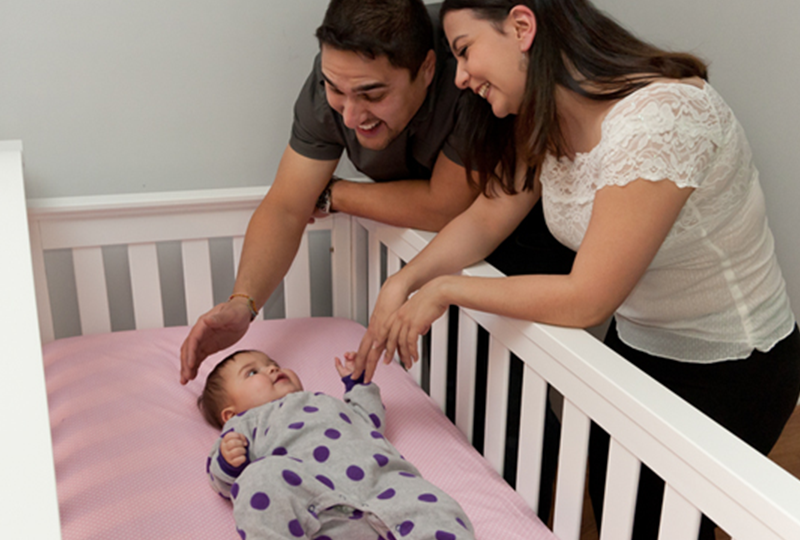
- Alone: Babies should always sleep by themselves. Avoid letting them sleep with caregivers in a bed or on a sofa or recliner.
- Back: Always place babies on their back to sleep.
- Crib: Place babies on a firm, flat mattress covered with a fitted sheet in a crib or bassinet. No pillows, blankets, toys, or bumpers.
What about swaddling?
You may have seen nurses swaddle babies at the hospital. This is a controlled environment with trained staff watching closely. At home, swaddling comes with more risk.
"We only swaddle here at the hospital, not at home," Ortega said. "It's only recommended here because it's a controlled environment. At home, babies sometimes get their arms out and may cover their faces.
The goal is to avoid any risk of SIDS. When in doubt, keep the baby's sleep space simple and clear.
What Should Dads Expect During Labor and Delivery?
Labor can feel intense, even when you're not the one giving birth. Knowing what to expect ahead of time can help you stay calm and be a real support for your partner. Here's a general overview of what happens:
- Early labor: Contractions begin. They may start mild and irregular, then get stronger and closer together. This phase can last several hours. Your job? Stay calm, keep track of contractions, and help your partner stay comfortable.
- Active labor: Contractions are stronger and more frequent. This is usually when you head to the hospital. Stay by your partner's side, offer encouragement, and follow the guidance of the care team.
- Delivery: Your partner pushes with each contraction until the baby arrives. The care team will guide you both through every step.
- After delivery: Baby will be checked by the medical team. You may have the chance to do skin-to-skin contact, which helps the baby feel safe and helps you bond.
The "Understanding Fatherhood for Dads and Partners" class covers what to expect before, during, and after birth so you're not walking in blind.
Can Dads Get Postpartum Depression?
Most people think postpartum depression only happens to moms. But research is showing that dads can experience it too.
"There's always a focus on maternal postpartum depression," Naranjo said. "But now they're doing more studies on fathers."
Postpartum depression in dads can look different from how it does in moms. Instead of sadness, it may show up as:
- Working too many hours to avoid being home
- Gambling or risky behavior
- Pulling away from the family
- Not being involved in caring for the baby
If you notice these signs in yourself or a partner after the baby arrives, reach out to a doctor. You are not alone, and help is available. The first step is simply knowing that what you're feeling is real and treatable.
Is it Normal to Feel Overwhelmed as a New Dad?
Yes. One hundred percent yes. Feeling overwhelmed doesn't mean you're doing it wrong. It means you care. And getting the right information ahead of time can make a real difference.
Fabian Mahecha, an expectant dad who took the Understanding Fatherhood class at Memorial Hospital West, said the first trimester hit harder than he expected.
"The first trimester was very overwhelming because a lot of things were unexpected," Mahecha said. “My wife recommended this class, and I’m glad I took it because it never hurts to learn something new, especially when you're going into an area you don't fully know."
There's no perfect formula for fatherhood. But being there, showing up, and trying that counts for everything. Being a good dad doesn't mean knowing everything from day one. It means being present, being willing to learn, and being there for your family.
Register for Memorial Family Birthplace's Fatherhood Class
If you're an expectant dad or partner in South Florida, you should consider registering for the "Understanding Fatherhood for Dads and Partners to learn more about:
- What to expect during pregnancy, labor, and delivery
- Hands-on newborn care practice (diapering, how to hold newborn)
- Safe sleep guidelines
- Mental health support for new dads
- How to bond with your newborn
This class is a great way to walk into parenthood feeling confident and prepared, not just for your sake, but for your family's.
Watch Local 10 news video featuring Naranjo and Ortega.