
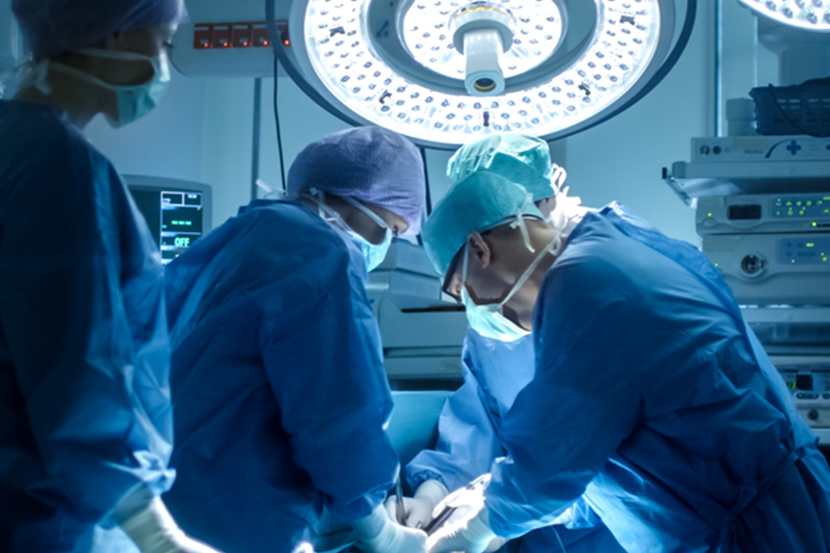
General Surgery Services
Expert surgical care for life’s most common—and complex—conditions.
From routine procedures to complex conditions, our skilled surgeons deliver the care you need—close to home and with the compassion you deserve. We take pride in our quality and safety data for general surgery, ensuring that every patient receives exceptional care during their surgery and beyond.
Exceptional Quality and Care in General Surgery


Comprehensive Approach
At Memorial Healthcare System, we take a truly comprehensive approach to surgical care, guiding you through every step of your health journey. Our team brings together experts across multiple specialties, from oncology to physical therapy, to ensure you receive coordinated, high-quality care from diagnosis through recovery.

Call us to schedule an appointment with one of our surgeons
954-276-7874Award-Winning Healthcare

Center of Excellence | Hernia Surgery | Memorial Hospital Pembroke

MBSAQIP® certification

Surgeon of Excellence | Hernia Surgery | Drs. Brett Cohen, Jeremy Gallego Eckstein, and Joseph Melendez-Davidson
Explore Our Surgical Procedures
Find comprehensive surgery in South Florida. Our general surgeons have extensive training in minimally invasive procedures.


Frequently Asked Questions About Surgery
We specialize in treating conditions such as:
- Hernia repair – for bulges in the abdomen or groin, pain when lifting, or discomfort during daily activities.
- Gallbladder surgery – for gallstones, severe abdominal pain, nausea, or indigestion after fatty meals.
- Spleen surgery – for enlarged spleen, trauma injuries, or blood disorders.
- Benign breast procedures – for non-cancerous lumps, cysts, or fibroadenomas causing pain or anxiety.
- Bile duct surgery – for blockages, strictures, or injuries causing jaundice or digestive issues.
- Colon disease treatment – for diverticulitis, polyps, or inflammatory bowel disease (IBD) causing pain, bleeding, or bowel changes.
- Achalasia surgery – for problems with the muscles in your esophagus that don't allow food to pass into your stomach.
- Diastasis of the Rectus Abdominis (DRA): DRA occurs when abdominal muscles separate, usually after rapid weight gain or pregnancy. We are among the few hospitals in the U.S. offering minimally invasive robotic repair.
- Hiatal Hernia: A hiatal hernia happens when part of the stomach pushes above the diaphragm, which can weaken the valve that prevents acid reflux. Surgery restores the stomach’s position and reinforces the muscle.
- Inguinal Hernia: An inguinal hernia occurs when the intestine pushes through a weak spot in the groin. It is common in men. A related type, the femoral hernia, appears near the inner thigh and is less common.
- Parastomal Hernia: Parastomal hernias form around a stoma, causing a bulge or discomfort. They are usually not dangerous but can affect comfort and function.
- Sports Hernia: Sports hernias involve tears or stretching in the soft tissues of the lower abdomen or groin, typically affecting tendons near the pubic bone or thigh muscles.
- Traumatic Hernia: Traumatic hernias are rare and occur after strong impacts or falls. Our surgeons are experienced in both emergency and elective repairs.
- Umbilical Hernia: An umbilical hernia is a bulge near the belly button caused by an opening in the abdominal wall. Common in infants and also seen in adults, it may require surgical repair.
- Ventral/Incisional Hernia: A ventral hernia occurs when abdominal tissue pushes through a weak area in the abdominal wall, often at the site of a previous surgical incision.
You may need surgery if you’re experiencing ongoing symptoms that affect your health or quality of life. Common signs include:
- Persistent abdominal pain or swelling – This could indicate gallbladder issues, bile duct problems, or colon conditions that require surgical intervention.
- Bulges in the groin or abdomen (hernia) – Hernias often worsen over time and can lead to complications if left untreated.
- Gallstones with nausea or vomiting – Gallstones can block bile flow, causing severe pain and digestive problems.
- Breast lumps that are growing or painful – While most lumps are benign, surgery may be recommended to remove them and confirm diagnosis.
- Digestive issues or jaundice from bile duct problems – Blockages or strictures in the bile duct can cause yellowing of the skin and eyes, pain, and infection risk.
- Chronic bowel changes or pain from colon conditions – Conditions like diverticulitis or inflammatory bowel disease may require surgery when symptoms persist or complications arise.
- Difficulty swallowing food – Conditions like achalasia may require surgery when symptoms persist or complications arise.
If you notice any of these symptoms, don’t wait—early evaluation can prevent serious complications.
Call us to schedule your consultation at 954-276-7874.
Absolutely! Surgeons at Memorial Healthcare System perform thousands of minimally invasive surgeries each year. Many of our surgeons have extra laparoscopy or robotic surgery training in addition to their five-year residency for general surgery. Their advanced training and extensive experience prepare them to safely deliver surgical care with excellent results.
Benefits of Minimally Invasive Surgery
Surgeons perform minimally invasive procedures using instruments inserted through small incisions (cuts in the skin). These incisions are much smaller than with traditional open surgery. Minimally invasive surgery offers several advantages over traditional surgery, including:
- Shorter recovery times: Your body will heal faster with less damage to surrounding tissues and muscles.
- Fewer complications: Patients routinely experience lower complication rates during and after surgery.
- Lower risk: Most patients have lower risks of infection and bleeding during and after surgery.
- Fewer restrictions during recovery: Most people can resume normal activities sooner because their body will heal faster.
- Less scarring: Using smaller incisions results in smaller scars. We perform some procedures through the belly button or an existing scar so there is no additional scarring.
Recovery time varies by procedure and individual health. Here’s a general guide:
- Hernia repair – Light activities in 1–2 weeks; full recovery in about 4 weeks
- Gallbladder surgery – Laparoscopic: 1–2 weeks; open surgery may take longer
- Spleen surgery – Typically 2–4 weeks
- Benign breast surgery – Most patients resume normal activities within a few days to 1 week
- Bile duct surgery – Recovery may take 2–4 weeks
- Colon disease surgery – Depending on complexity, 2–4 weeks or more
Your surgeon will provide a personalized recovery plan, including diet, activity, and follow-up care.
Call us to schedule an appointment with one of our surgeons
954-276-7874Ready to Meet Our Surgeons? Call Now or Schedule Your Appointment Online
-
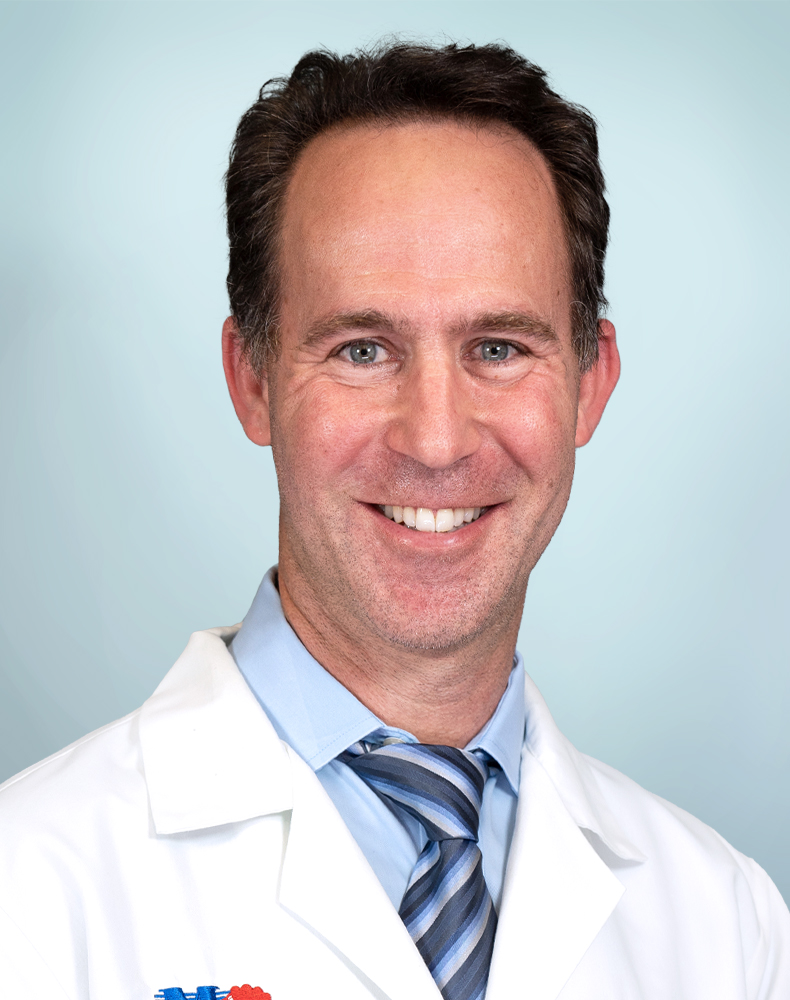

 Brett Cohen, MD Bariatric Surgery, General Surgery
 -
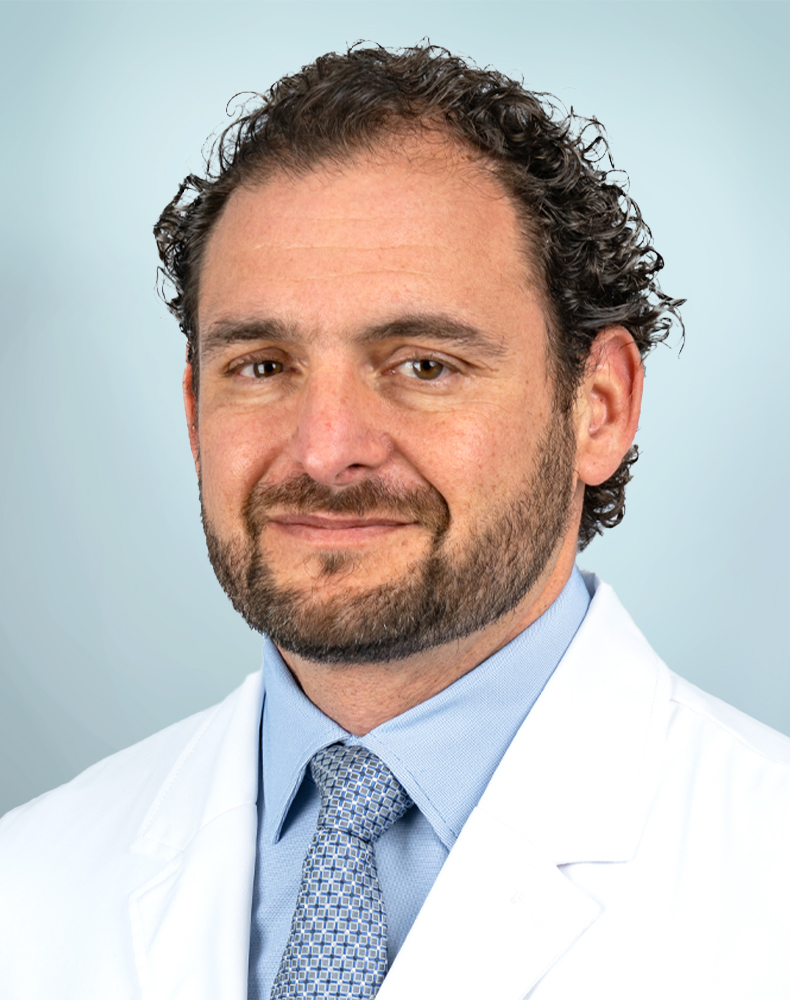 Jeremy Gallego Eckstein, MD Bariatric Surgery, General Surgery
 -
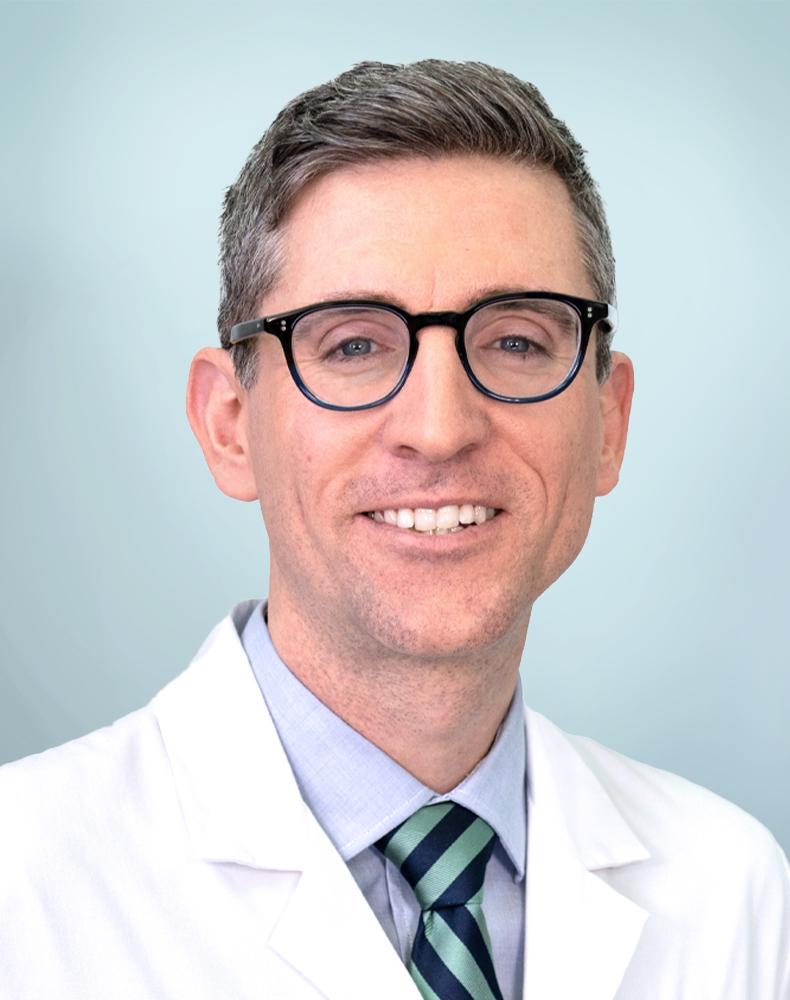 Davis Horkan, MD General Surgery, Surgery
 -
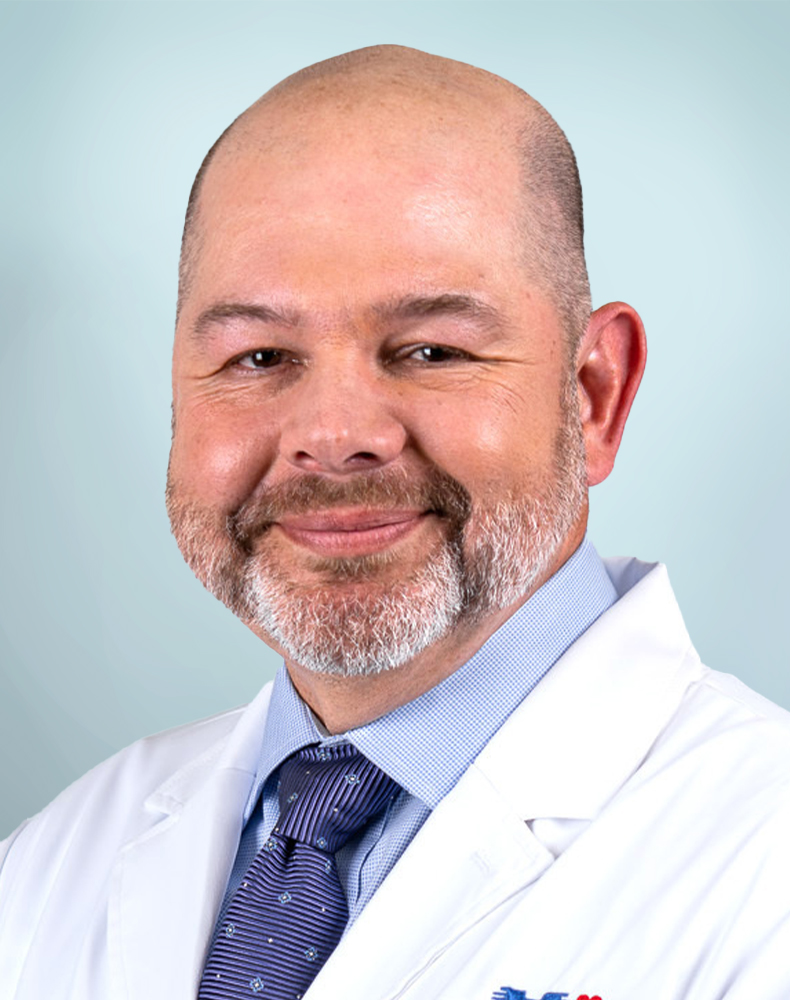 Alberto Iglesias, MD General Surgery, Surgery
 -
 Kristina Khazeni, MD General Surgery, Surgery
 -
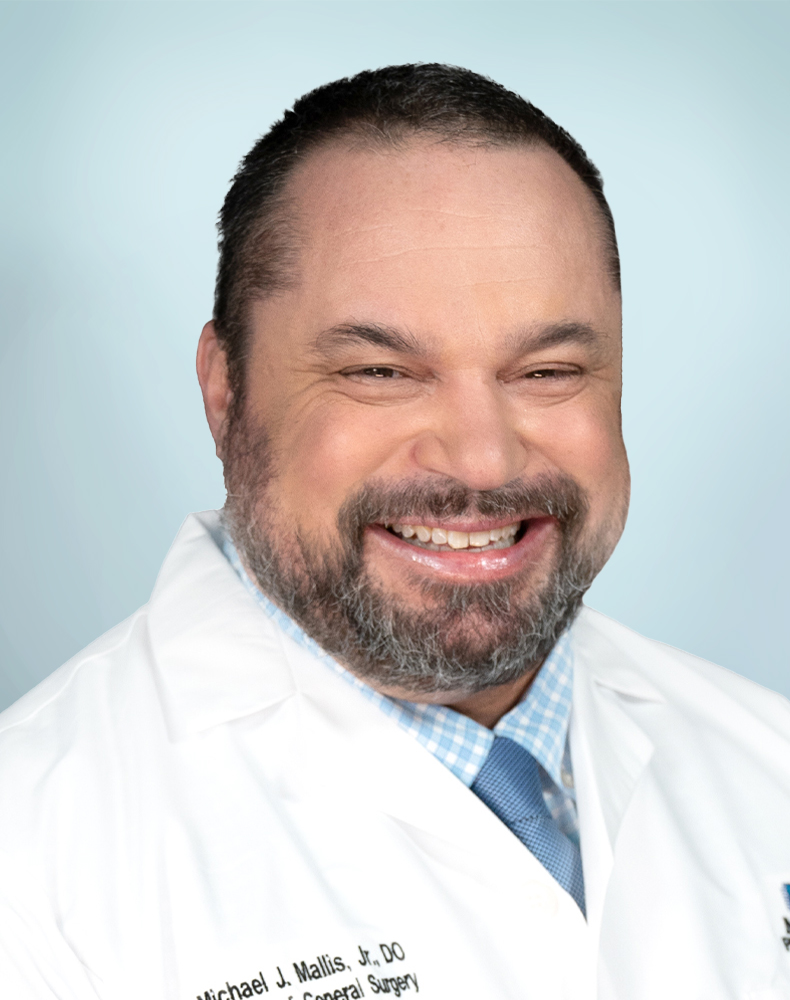 Michael Mallis, DO General Surgery, Surgery
 -
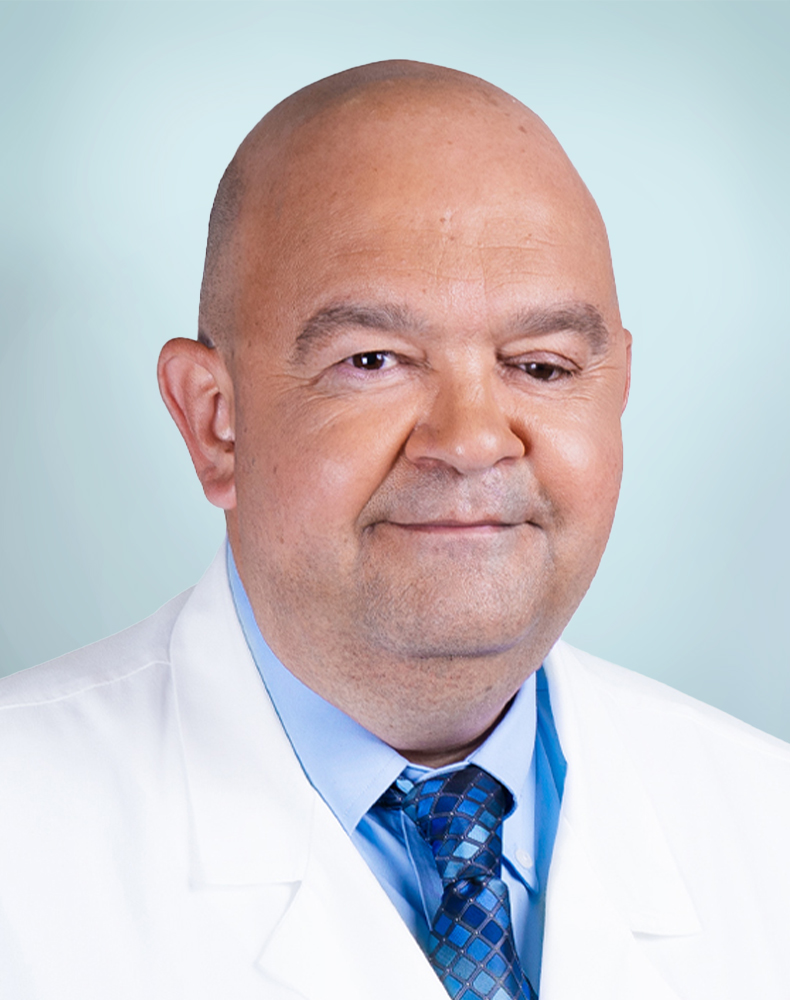 Emil Matei, DO Bariatric Surgery, General Surgery
 -
 Joseph Melendez-Davidson, MD Bariatric Surgery, General Surgery
 -
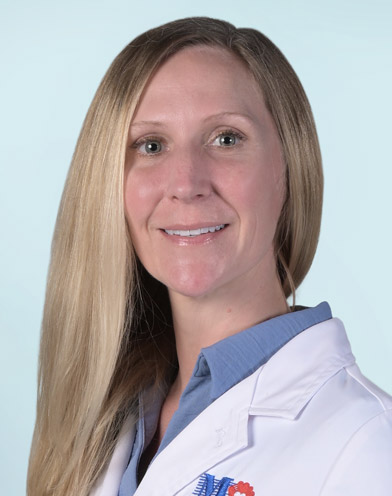 Sarah Pergande, DO General Surgery, Surgery
 -
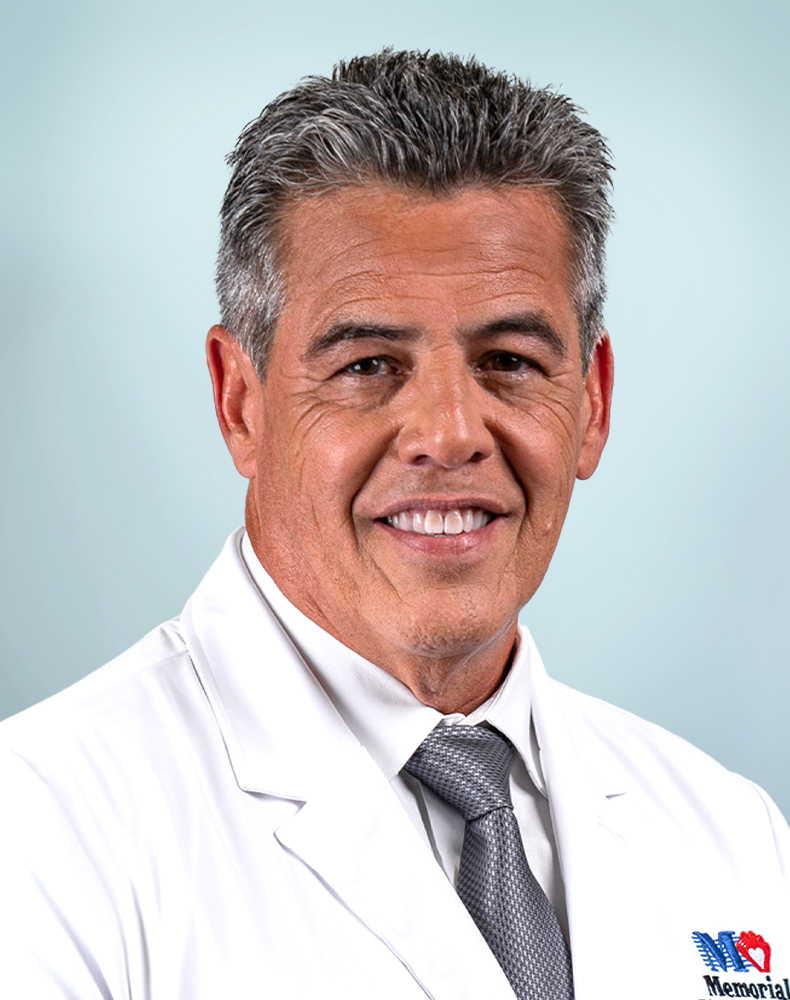 Hector Pombo, MD General Surgery, Surgery
 -
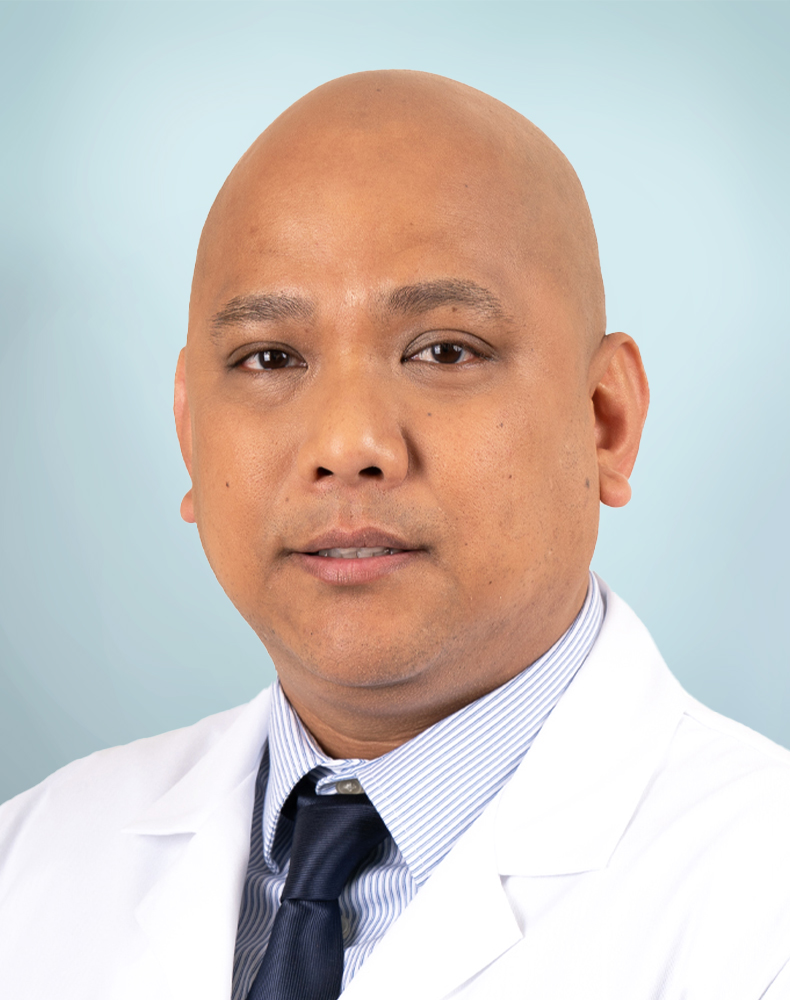 Mark Romano, DO General Surgery, Surgery
 -
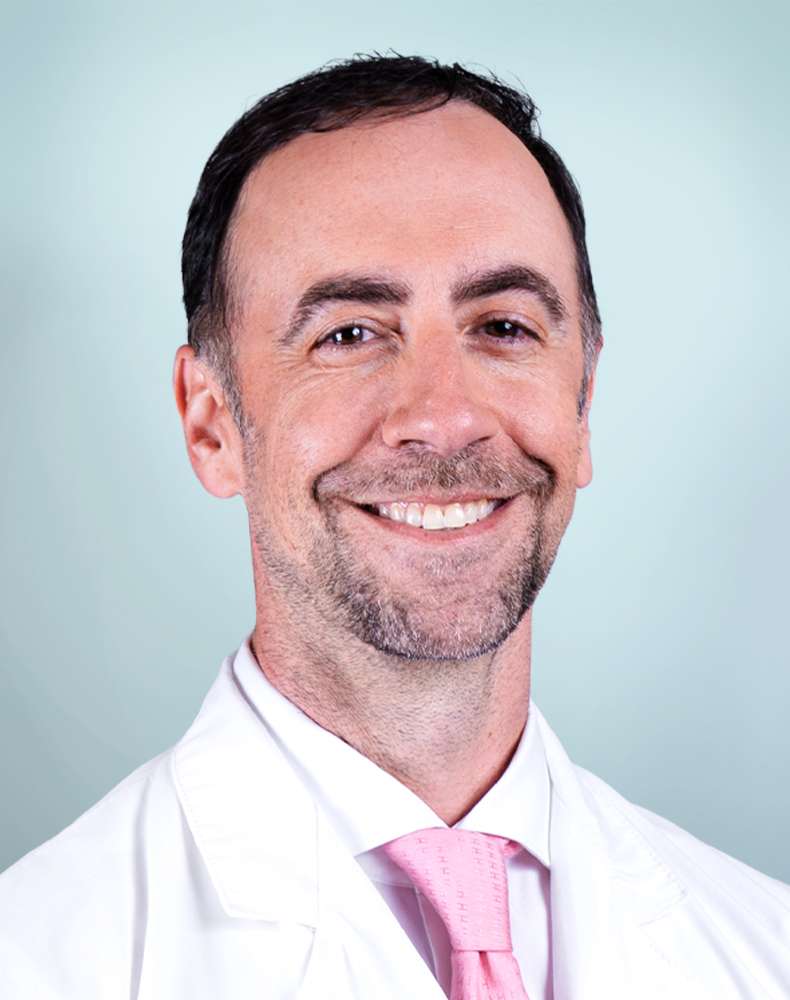 Christopher Seaver, MD General Surgery, Surgery
 -
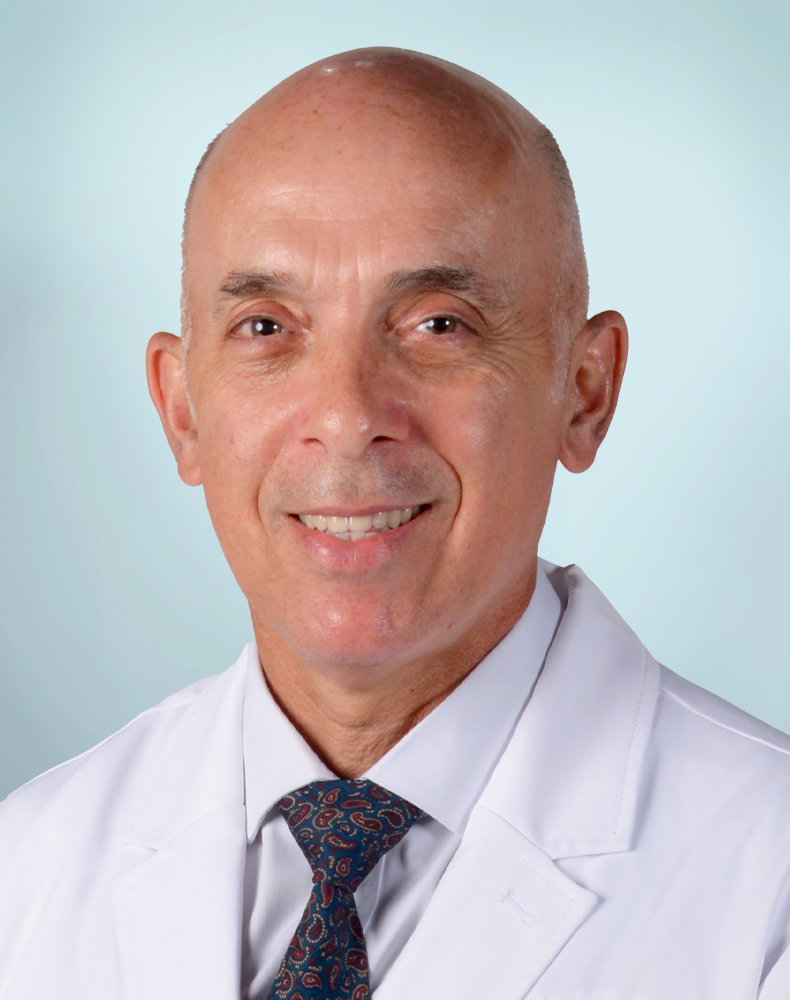 Daniel Vanuno, MD General Surgery, Surgery


